


























Biological & Physical Science Stories
Biofilms are communities of microorganisms that stick to one another and also adhere to a nearby surface. They are intricately associated with life on Earth, enabling functions essential to human and plant systems.
About the PSI Users Group The Physical Sciences Informatics (PSI) Users Group is a recurring Webex forum that brings together researchers, open-science practitioners, and collaborators from across the physical sciences community. Designed to foster collaboration, knowledge-sharing, and data-driven discovery, each…
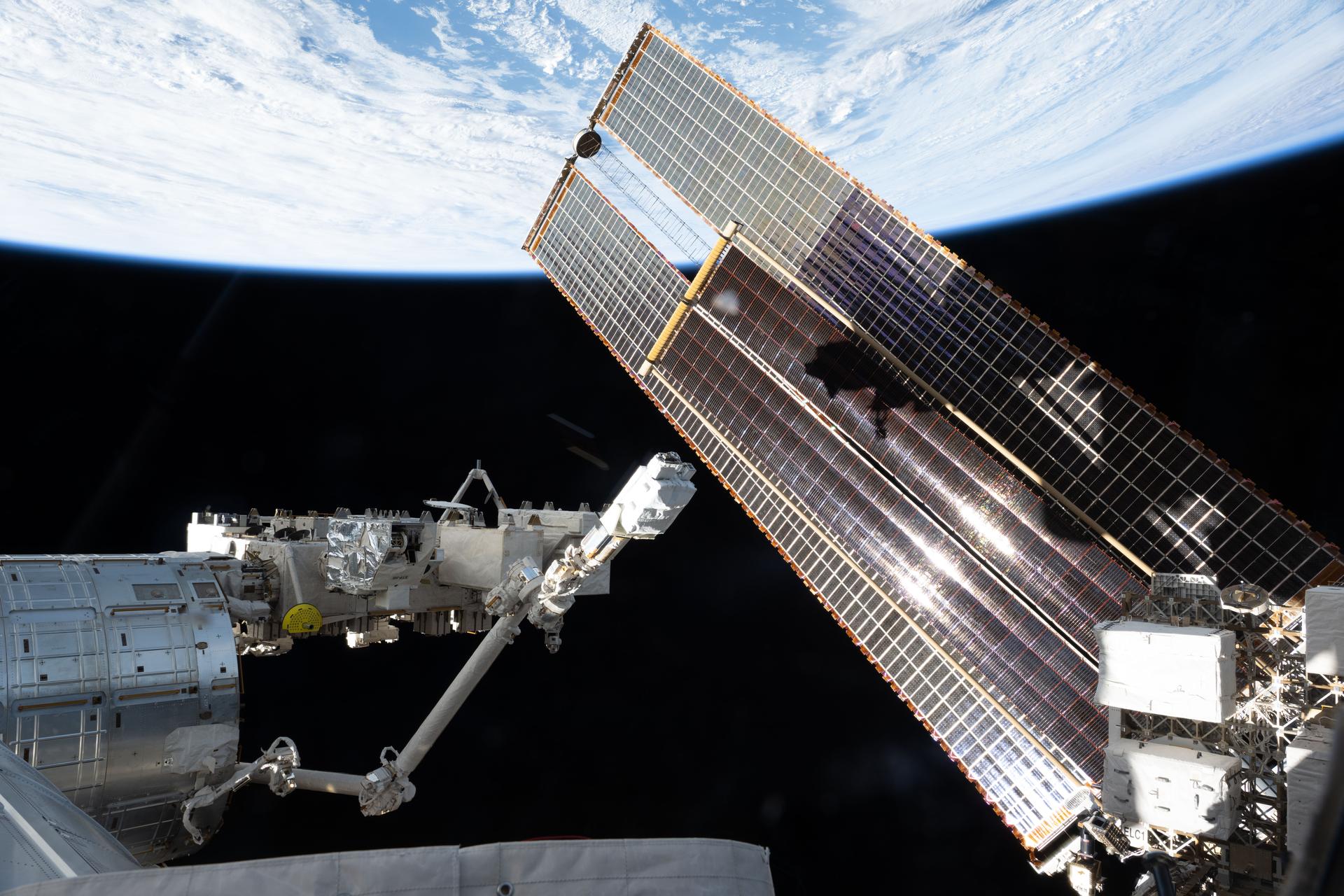
A small but mighty piece of lab equipment, about the size of a cellphone, has arrived at the International Space Station after launching with NASA’s SpaceX Crew-12 mission. NASA aims to use the off-the-shelf device, called a microplate reader, to…
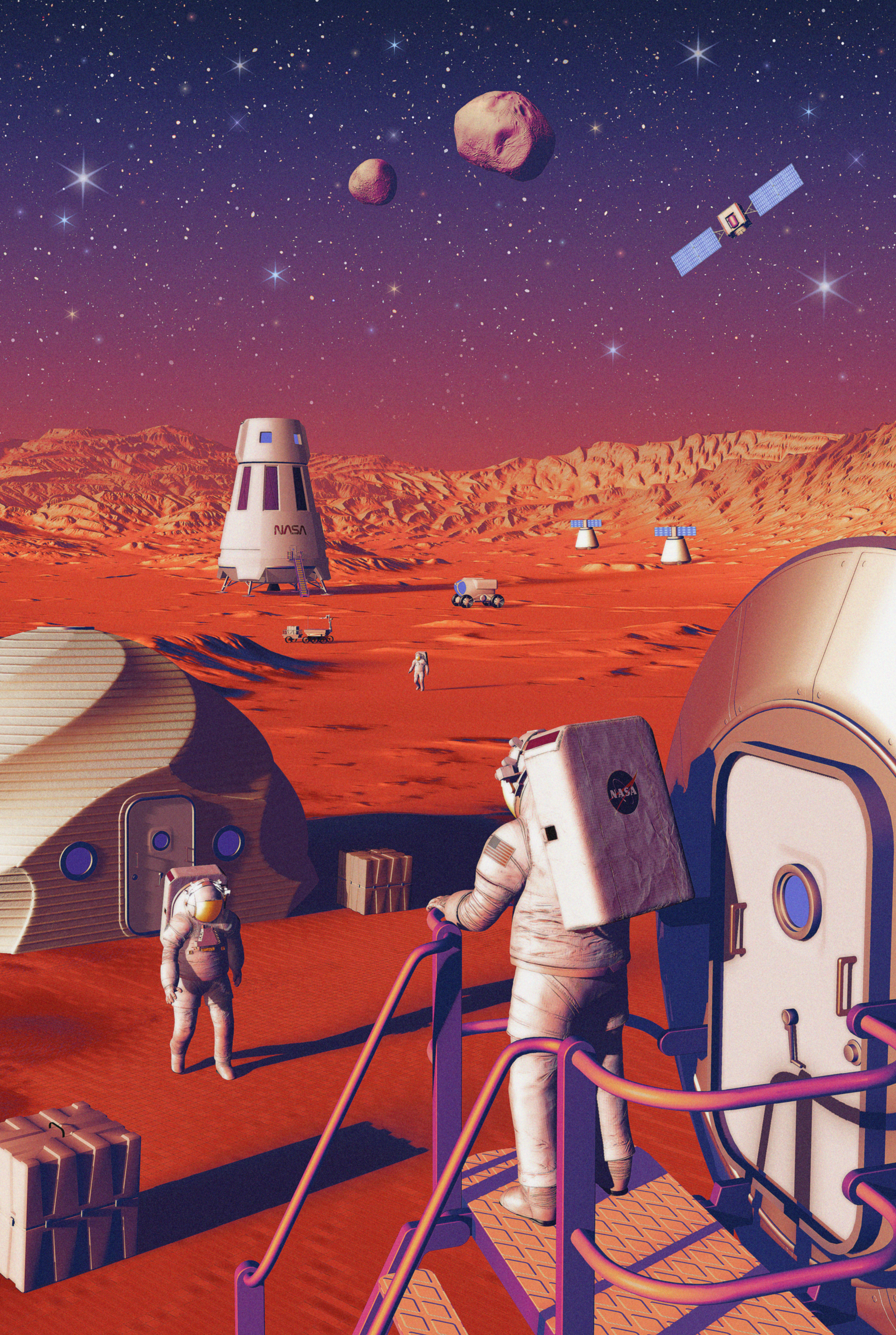
NASA is getting ready to send four astronauts around the Moon with Artemis II, laying the foundation for sustainable missions to the lunar surface and paving the way for human exploration on Mars. As the agency considers deep space endeavors…
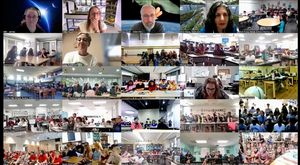
Nearly 1,250 middle and high school students from 71 schools around the world joined Fairchild Tropical Botanic Garden for the Growing Beyond Earth (GBE) Student Launch Chat with the Scientists, marking an inspiring milestone in the program’s 10th anniversary year.…
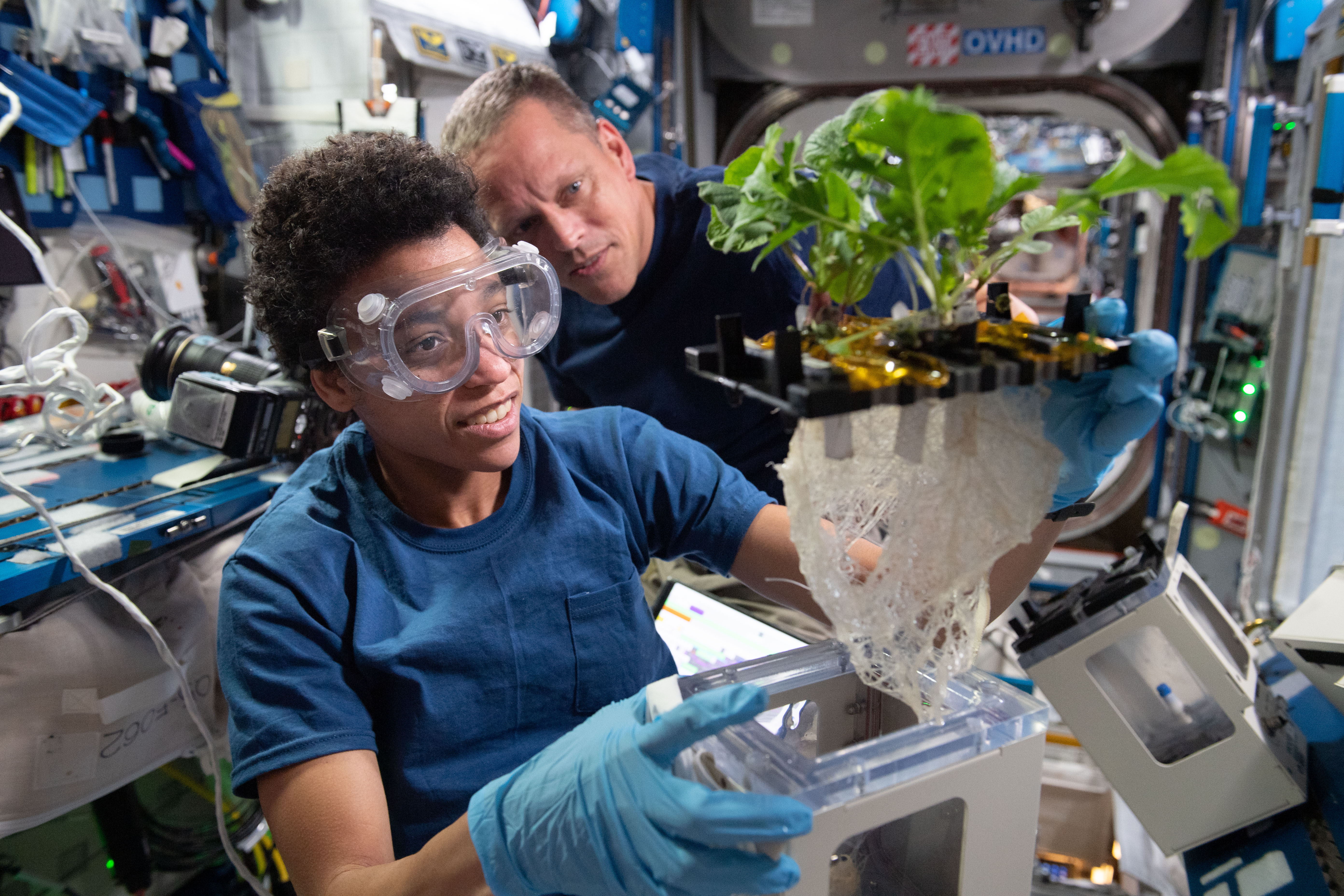
November marks 25 years of human presence aboard the International Space Station, a testament to international collaboration and human ingenuity. Since the first crew arrived on Nov. 2, 2000, NASA and its partners have conducted thousands of research investigations and…
The Open Science Data Repository (OSDR) and Physical Sciences Informatics (PSI) has a new home. As part of NASA’s website consolidation initiative, the OSDR and PSI site have officially transitioned to the Biological and Physical Sciences (BPS) Data page, accessible…

At the virtual 2025 ISS Research and Development Conference (ISSDRC), Joe A. Adam of Rensselaer Polytechnic Institute, presented the topic titled “Surface Science in Microgravity – Fluid Geometry in the Ring-Sheared Drop,” presented to a broad audience from academia and…
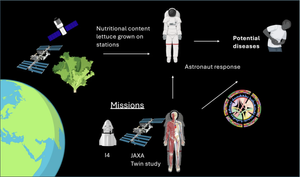
Missions to the Moon and Mars pose nutritional challenges for astronauts, but volunteers from NASA’s Open Science Data Repository Analysis Working Groups (OSDR-AWG) are working together to analyze data on astronaut health. The Analysis Working Groups examine biomedical data from…
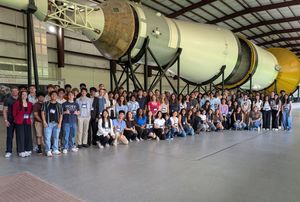
The NASA STEM (Science, Technology, Engineering, and Mathematics) Enhancement in Earth and Space Science (SEES) Internship Program at the University of Texas Center for Space Research is a national high school research experience that provides students with direct access to…