






Suggested Searches

Earth Matters

    Well…how did I get here?

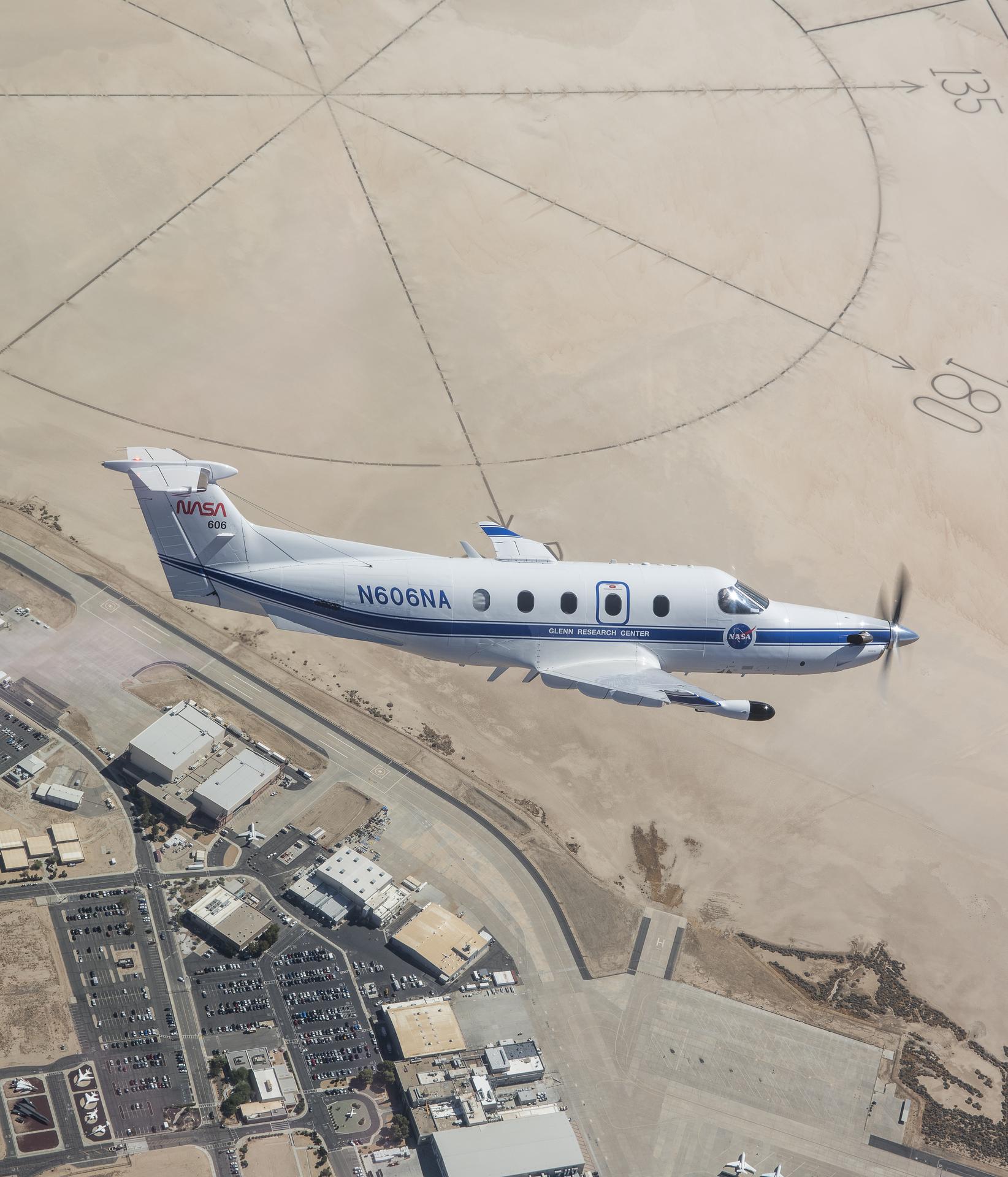
    As part of Earth Science Week, various NASA scientists and staff have been writing and talking about what it is like to work in science. One of those staff members is our colleague, Jefferson Beck, a documentary producer turned NASA science communicator… So I’m flying at 1,500 feet above a giant crack in the Pine […]

    Read Full Post

    Earth Science Week 2012 at NASA

    October 14–20 is Earth Science Week. This annual celebration started in 1998, established by the American Geosciences Institute to help children, students, and the general public understand how geoscientists collect information about our planet. In 2012, the theme is “Discovering Careers in the Earth Sciences” and involves activities by NASA, the U.S. Geological Survey, the National Park Service, […]

    Read Full Post

    October Puzzler Answer: Turkish Glaciers

    Congratulations to Britton, Dakota Steve, Alev Akyildiz, and Eric Jeffrey for being the first readers to solve the October puzzler. We posted the image on Tuesday afternoon, and by Wednesday morning Britton had worked out that the location was Mount Uludoruk in the southeastern Taurus Mountains. Later on, Dakota Steve added that it must have been taken […]

    Read Full Post

    October Puzzler

    Every month, NASA Earth Observatory will offer up a puzzling satellite image here on Earth Matters. The fifth puzzler is above. Your challenge is to use the comments section below to tell us what part of the world we’re looking at, when the image was acquired, and what’s happening in the scene. How to answer. […]

    Read Full Post

    September Puzzler Answer

    Congratulations to Carl Schardt, Conan Witzel, and David Haycock for being some of our first readers to work out that the September puzzler showed part of Queensland’s Channel Country. Carl quickly recognized it was the Simpson Desert, but it took Conan and David a few days to pinpoint the exact area shown. If you missed […]

    Read Full Post

    Another Way to Picture Sea Ice Loss

    In mid-September 2012, the National Snow and Ice Data Center (NSIDC) announced that Arctic sea ice had reached a new record minimum — 3.41 million square kilometers (1.32 million square miles). The previous record low came in September 2007 at 4.17 million square kilometers (1.61 million square miles). The 1979–2000 average minimum ice extent was […]

    Read Full Post

    Earth Indicator: 3.41 million (A new record low for sea ice)

    On September 16, 2012, the extent of sea ice in the Arctic Ocean dropped to 3.41 million square kilometers (1.32 million square miles). The National Snow and Ice Data Center (NSIDC) issued a preliminary announcement on September 19 noting that it was likely the minimum extent for the year and the lowest extent observed in […]

    Read Full Post

    Tracking Sea Ice at the Top of the Globe

    In the summer of 2012, Arctic sea ice has broken the previous record for minimum extent (set in 2007), fallen below 4 million square kilometers, and, as of September 17, dropped below 3.5 million square kilometers in extent. Multiple studies indicate that the Arctic will eventually lose its sea ice during the summers of the future. […]

    Read Full Post

    Discovering Hot Towers

    Two hours before Hurricane Isaac made landfall, a satellite orbiting hundreds of miles above the storm used a radar instrument to map the storm’s inner structure. The instrument on the Tropical Rainfall Measuring Mission (TRMM) observed two extremely tall complexes of rain clouds called hot towers in the eyewall, a sign that Isaac was trying to strengthen. The towering clouds […]

    Read Full Post

    September puzzler

    Every month, NASA Earth Observatory will offer up a puzzling satellite image here on Earth Matters. The fourth puzzler is above. Your challenge is to use the comments section below to tell us what part of the world we’re looking at, when the image was acquired, and what’s happening in the scene. How to answer. […]

    Read Full Post

Subscribe to this blog

Show Past Archives