






















SkyFall Landing Site Workshops
Science-focused workshops to identify potential landing sites and adjacent exploration zones of high scientific value.
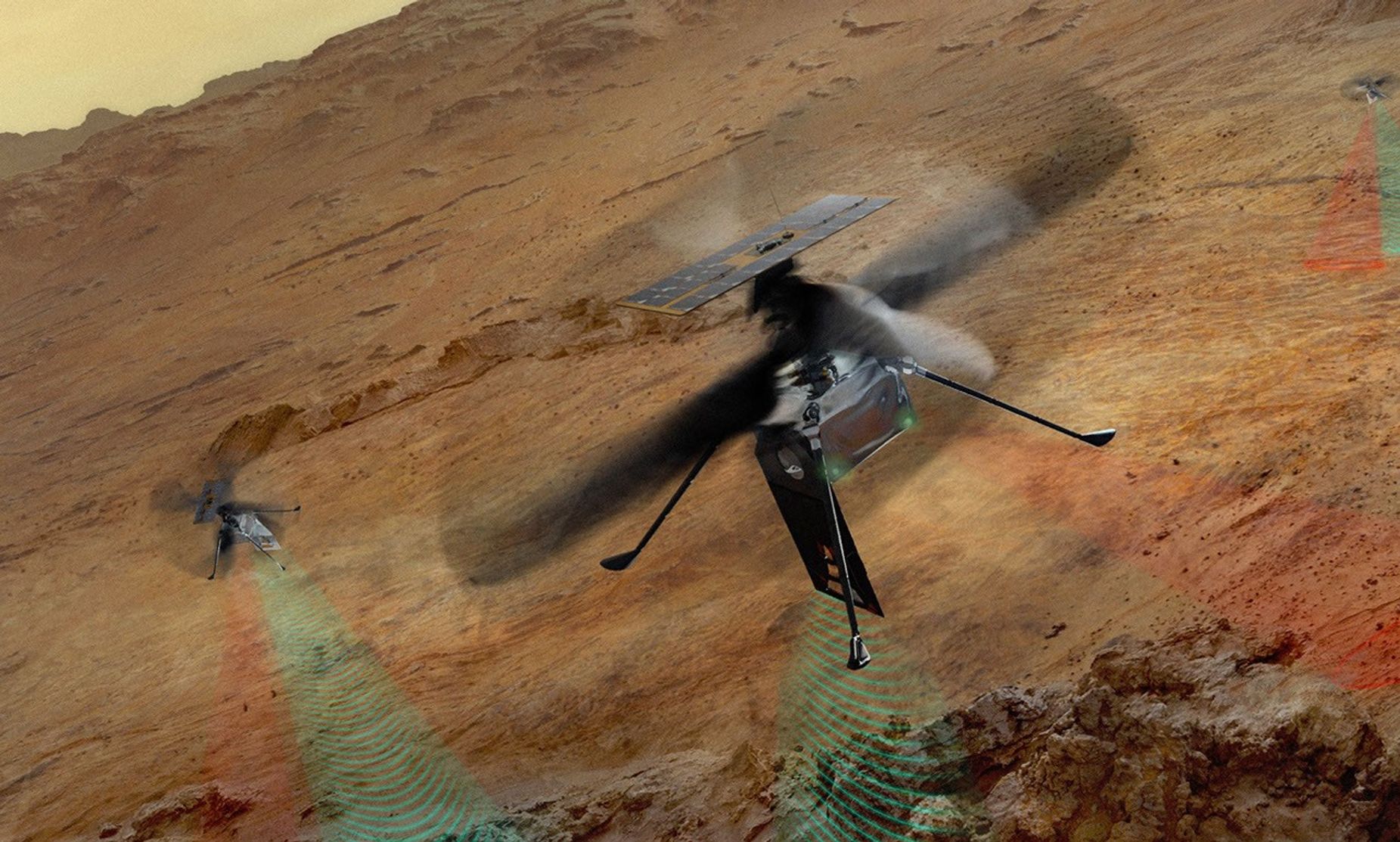
learn more about skyfall

SkyFall FAQs
Quick answers to your SkyFall questions,
SkyFall Mission Page
Learn more about the SkyFall mission.

SkyFall Mission Information Package
Additional information about the LSW.
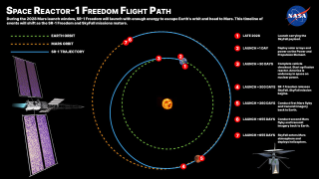
SR-1 Freedom
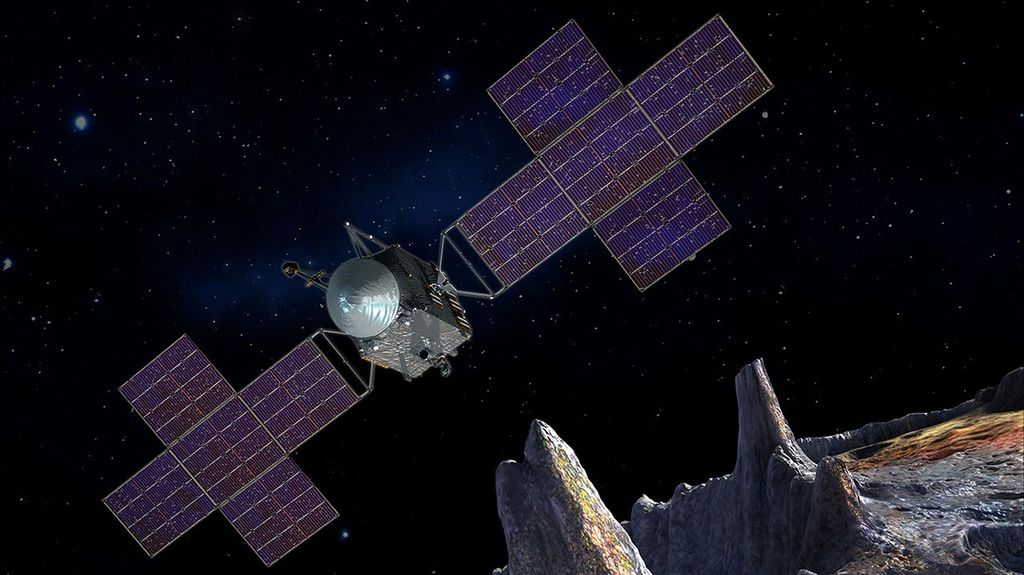
The fission-powered spacecraft delivering SkyFall to Mars.
First Landing Site Workshop for the SkyFall Mission
February 9-10, 2027, Virtual
The First Landing Site Workshop (LSW) for the SkyFall mission to Mars will be held virtually, Feb. 9-10, 2027, and will be the first of two science-focused workshops to identify potential landing sites and adjacent exploration zones of high scientific value that satisfy the engineering constraints imposed by the project and spacecraft design.
Given the rapid development cadence of the SkyFall mission, the LSW process will necessarily be abbreviated compared to those of prior missions, though the Mars Exploration Program and SkyFall project are committed to using the available time and resources to maximize science value in the selection of landing site.
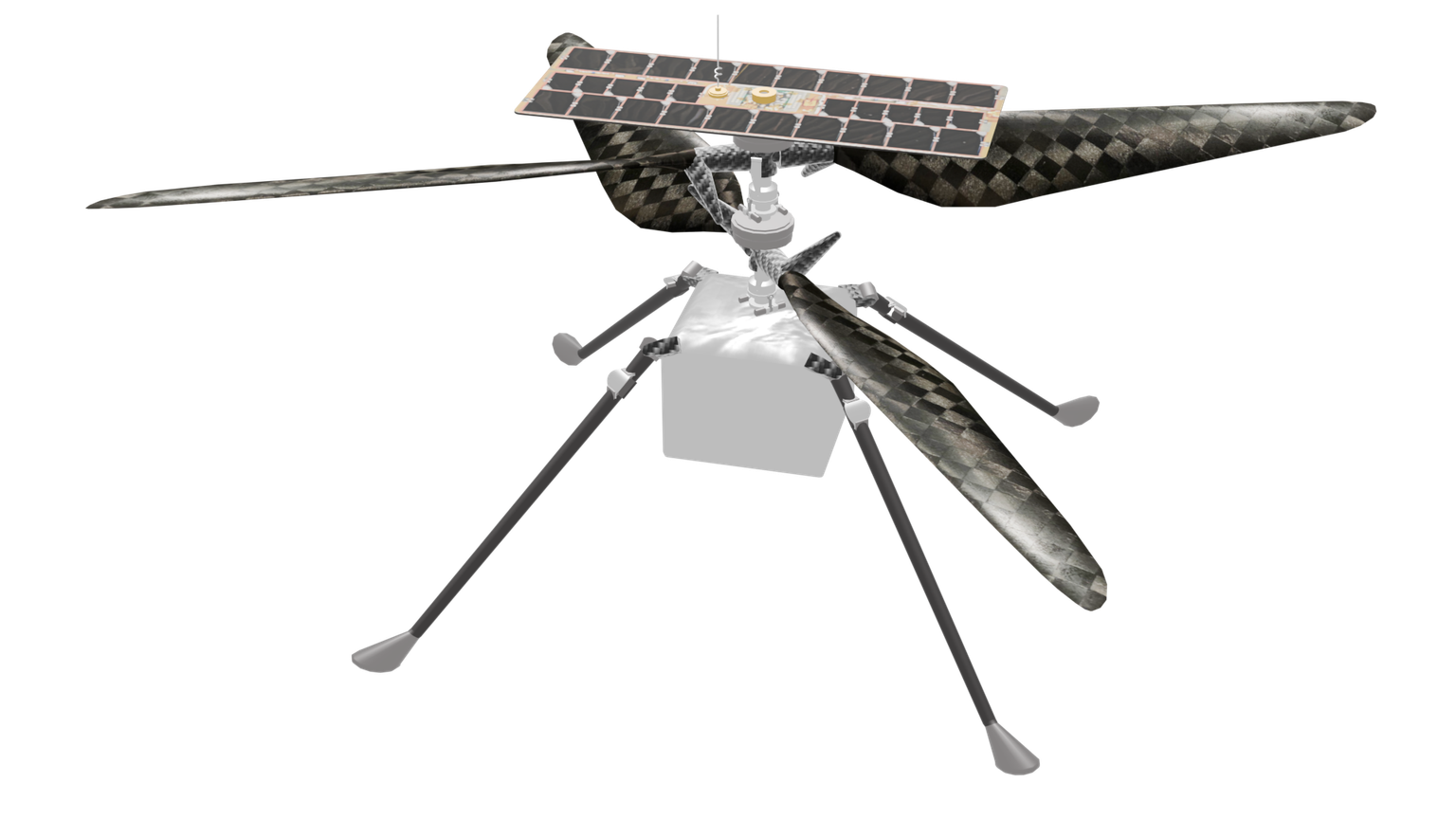
The expected outcome of the First LSW will be a ranked list of potential landing sites that will be studied in more detail by the SkyFall project and science community, prior to the Second Landing Site Workshop to be held later in 2027. The project will assess the engineering safety of proposed sites, while community consensus will be solicited regarding potential science value and notional flight trajectories of individual landing sites given the capabilities and payload of the SkyFall helicopters.
Prior to the First Landing Site Workshop, individuals and self-organized groups are encouraged to identify potential landing sites for preliminary assessment by the SkyFall team. Information on how to submit potential sites may be found in the SkyFall Mission Information Package. Individuals/teams that propose a site that satisfies engineering constraints and demonstrates promising science value will be invited to present their site at the First LSW. For sites that do not meet these constraints, individuals/teams will be notified prior to the LSW.
Additional information about the SkyFall payload, surface mission, payload, and engineering constraints on the mission may be found in the SkyFall Mission Information Package.