


















Snow4Flow
Background
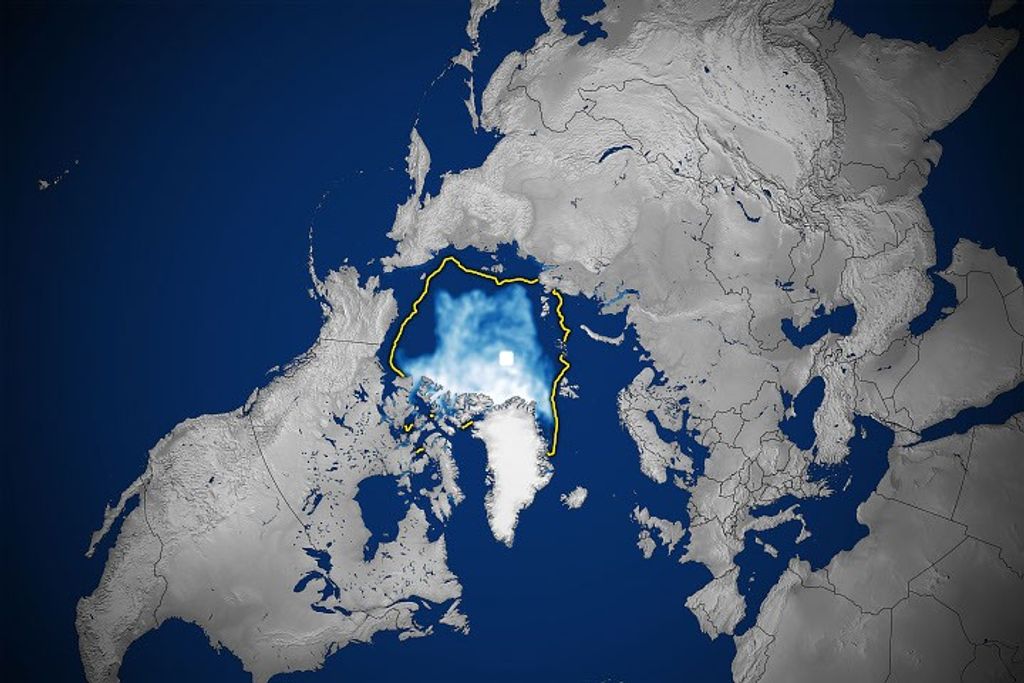
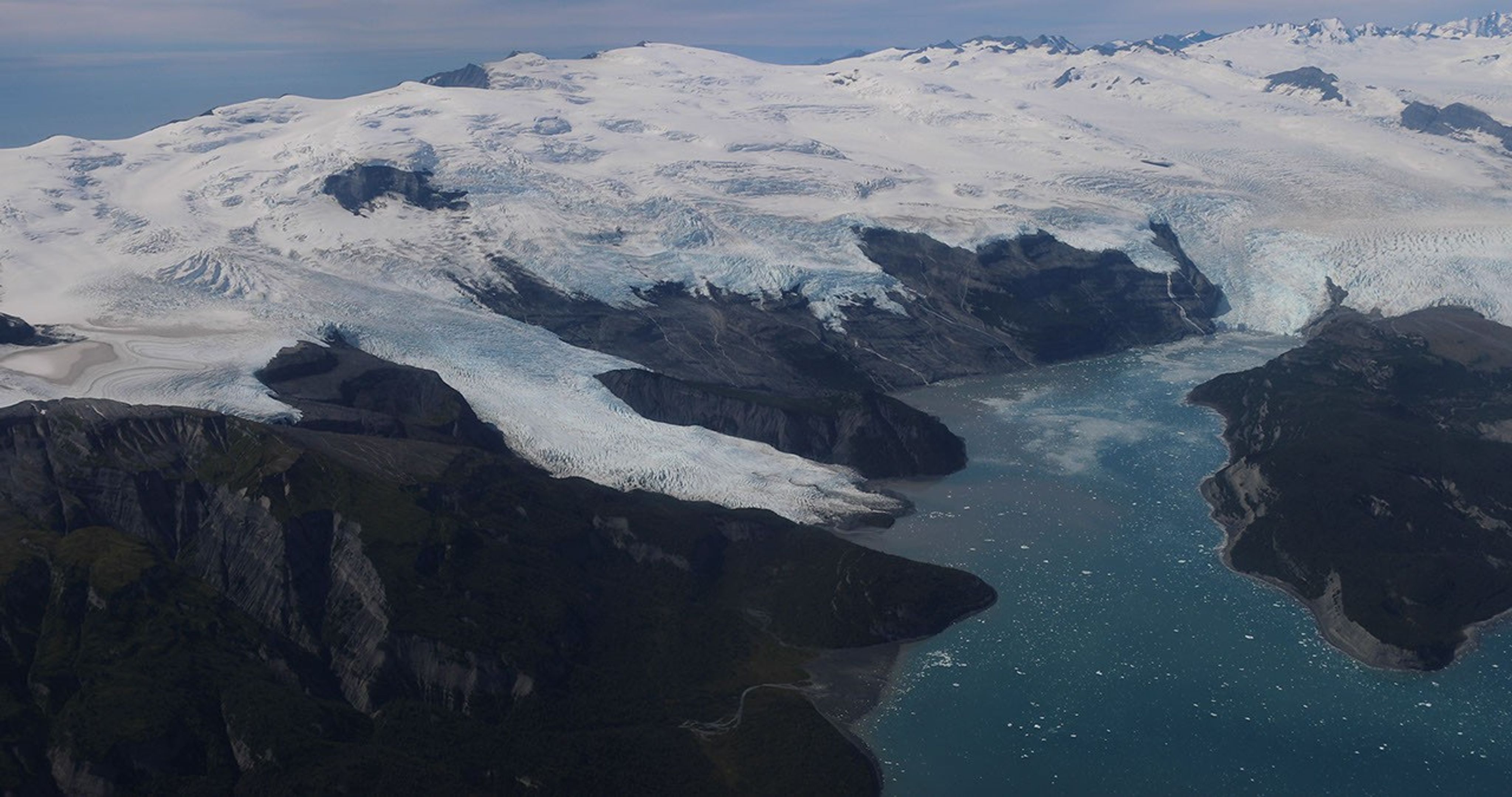
Glaciers contain less than 1% of Earth’s frozen freshwater, but they have a big impact. Glacial meltwater, as opposed to water coming off the large ice sheets of Antarctica and Greenland, is responsible for more than 20% of current sea level rise. With temperatures in the Arctic rising much faster than the global average, researchers want to determine how Northern Hemisphere glaciers will respond, and the potential impacts on coastal communities, water resources, and economies worldwide.
Research questions
To get the best projections of future glacier behavior, researchers need detailed data to understand their current state. The campaign is designed to gather information about how much snow falls annually on glaciers, and how much ice the glaciers currently hold. Combining these observations with satellite data and computer modelling, researchers will investigate two questions:
- How does snow accumulation differ across glaciers that have wide-ranging topography?
- How will Northern Hemisphere glaciers change through the end of the 21st Century?
Science in Action
Researchers will measure hundreds of glaciers across Alaska, Svalbard, southeastern Greenland, and the Canadian High Arctic, deploying to two regions each spring in 2027, 2028, and 2029.
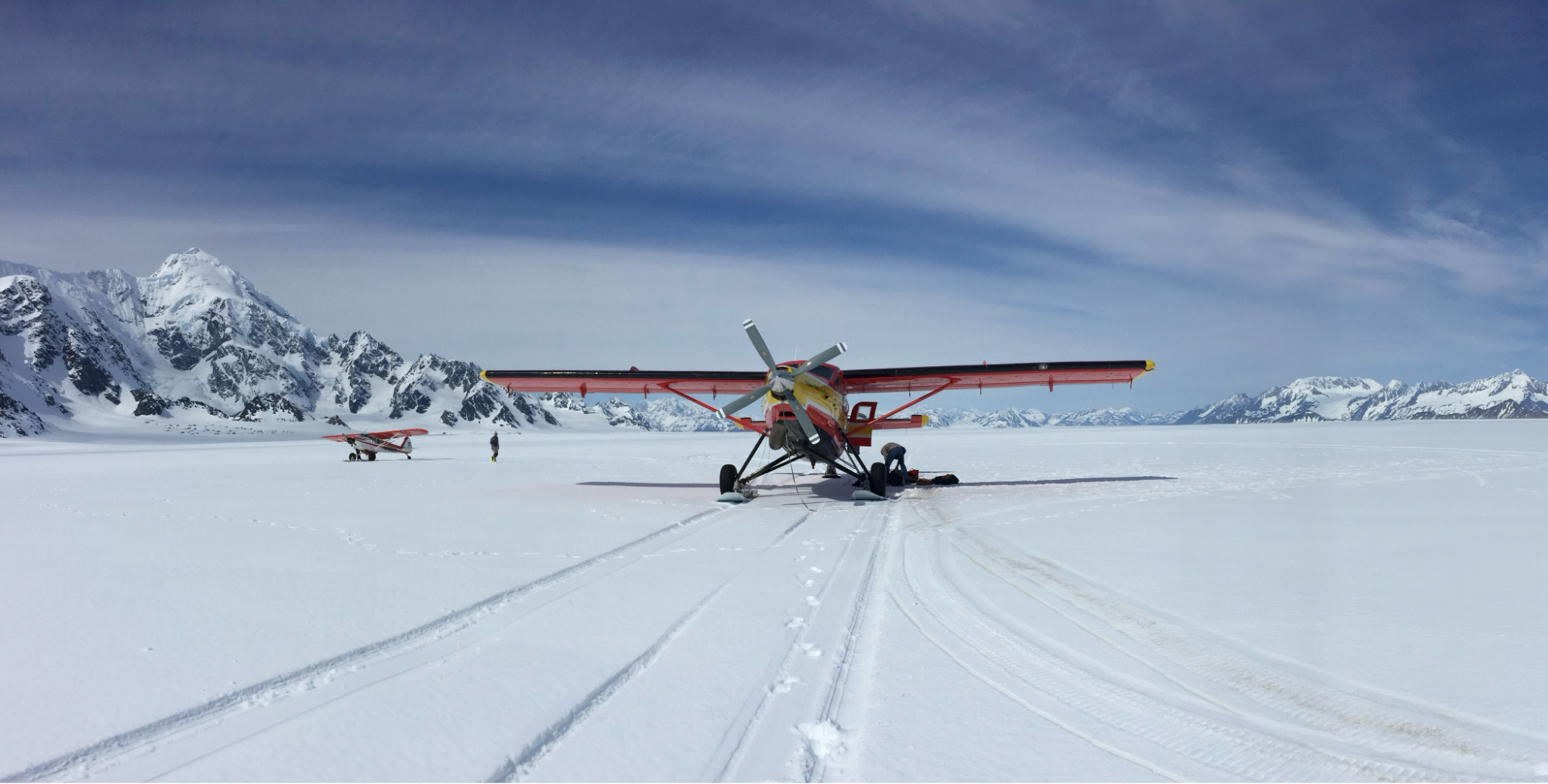
The team will travel along glaciers in a Basler aircraft, equipped with a laser altimeter and a microwave radar sounder inside the cabin and pointed downward, plus a long-wavelength radar sounder antenna towed behind it. On a handful of Alaskan glaciers, scientists will land on the ice, set up camp, and dig snow pits and drill snow cores to study the layers up close.
With this new wealth of data to incorporate into the latest generation of computer models, the Snow4Flow team aims to improve our understanding of how glaciers might change in the future.
All EVS-4 news
Explore other EVS-4 Campaigns
The EVS-4 missions: FARMFLUX | FORTE | HAMAQ | INSPYRE | LACCE | SNOW4FLOW