












Landsat 8 Mission Details
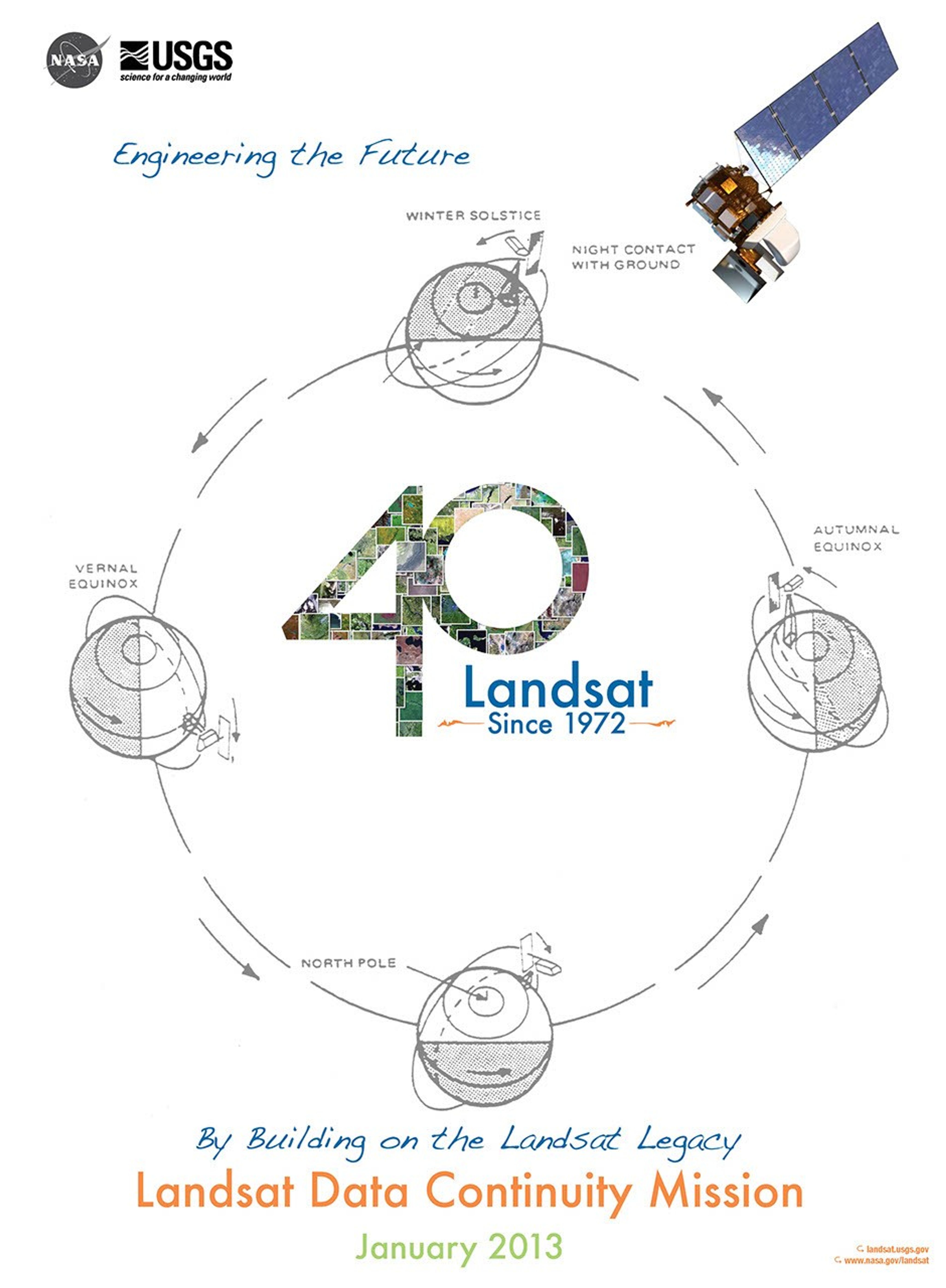
Landsat 8, originally called the Landsat Data Continuity Mission, was designed to continue the decades-long legacy of the program. Explore the milestones, development, and operations that led up to Landsat 8’s launch.
Overview
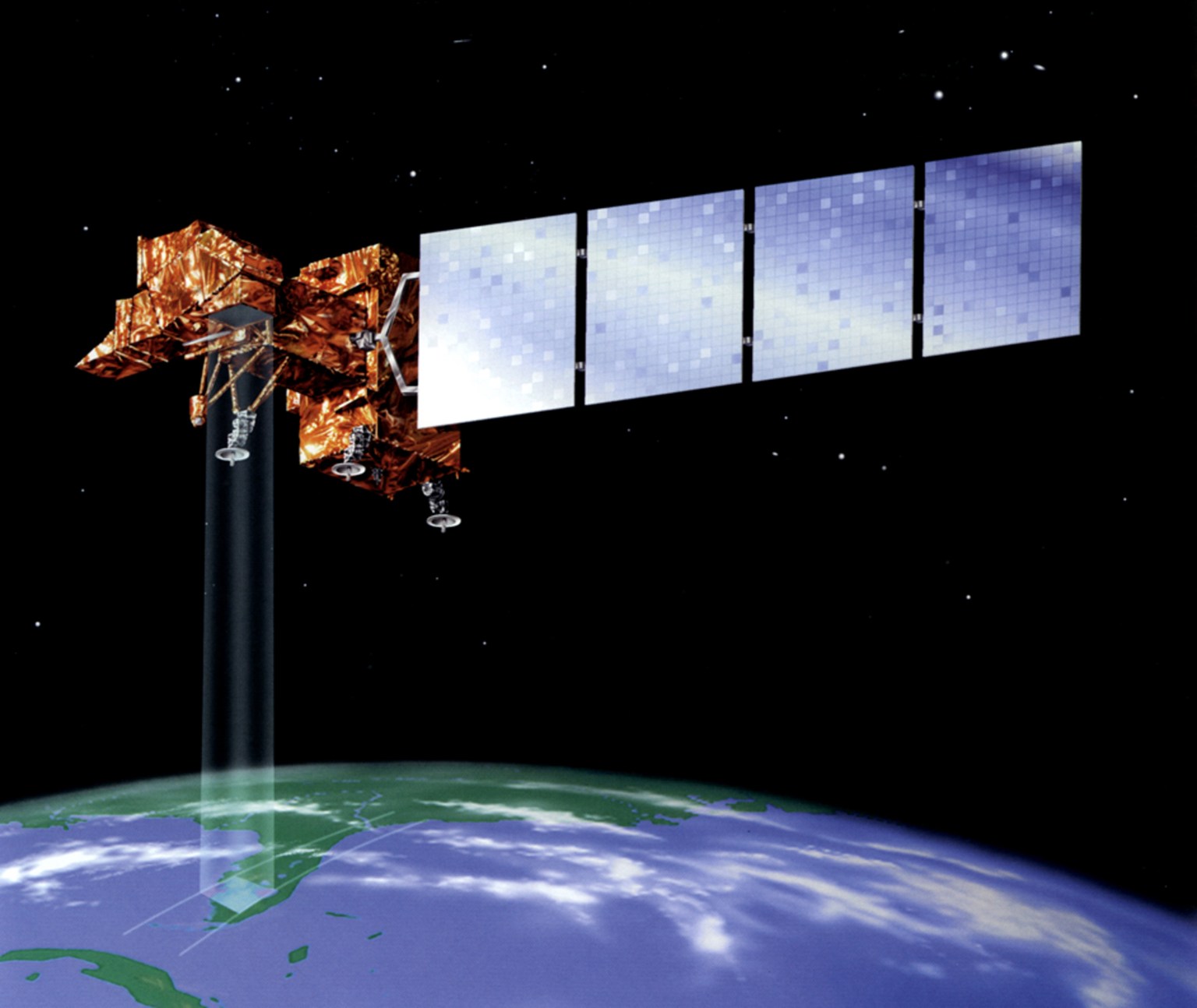
Landsat 8 is composed of three mission segments: the space segment (spacecraft and instruments), the launch segment, and the ground segment. NASA is responsible for developing the space and launch segments, while USGS is responsible for developing the ground segment and operating the mission after launch.
Space Segment
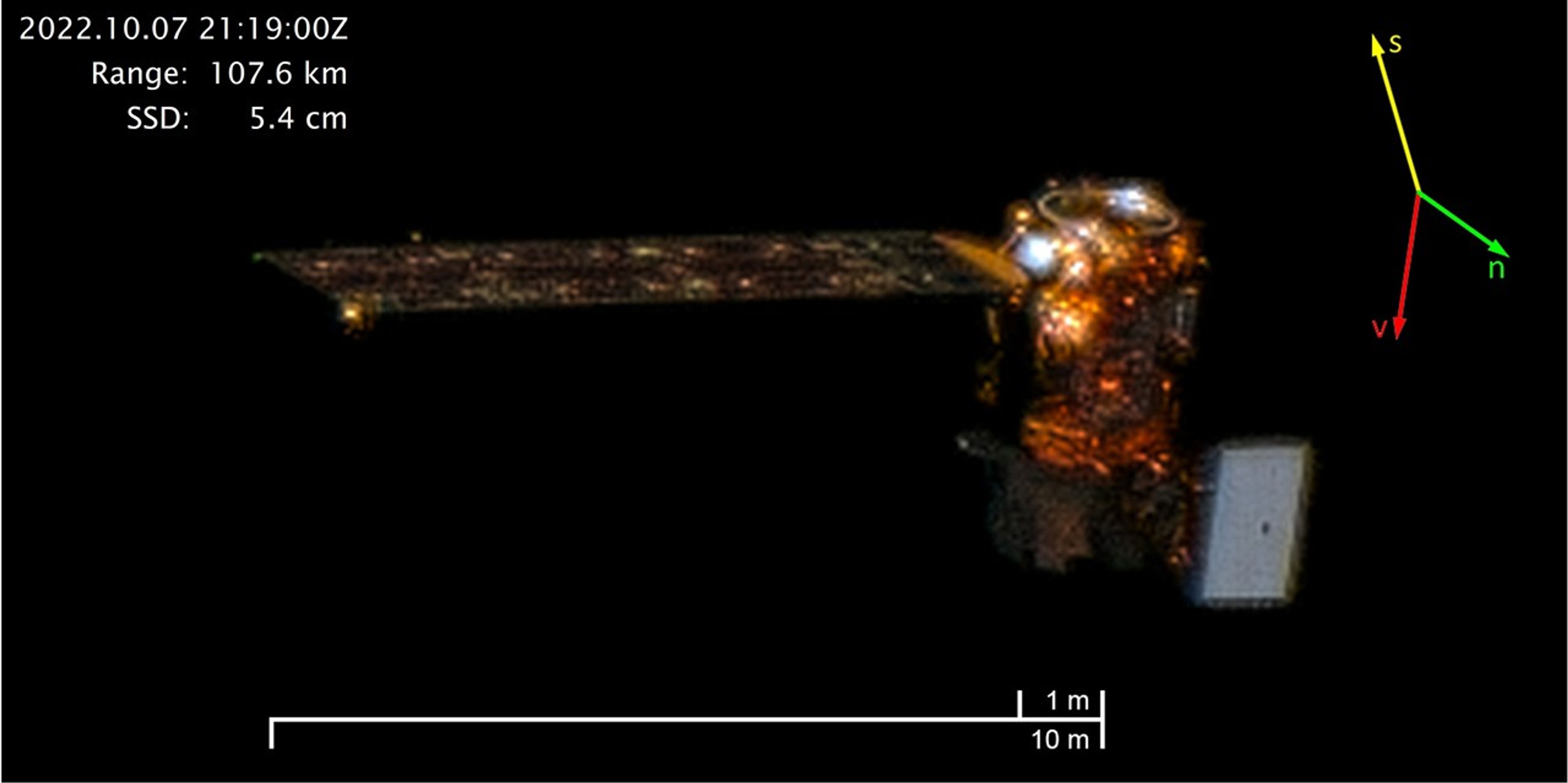
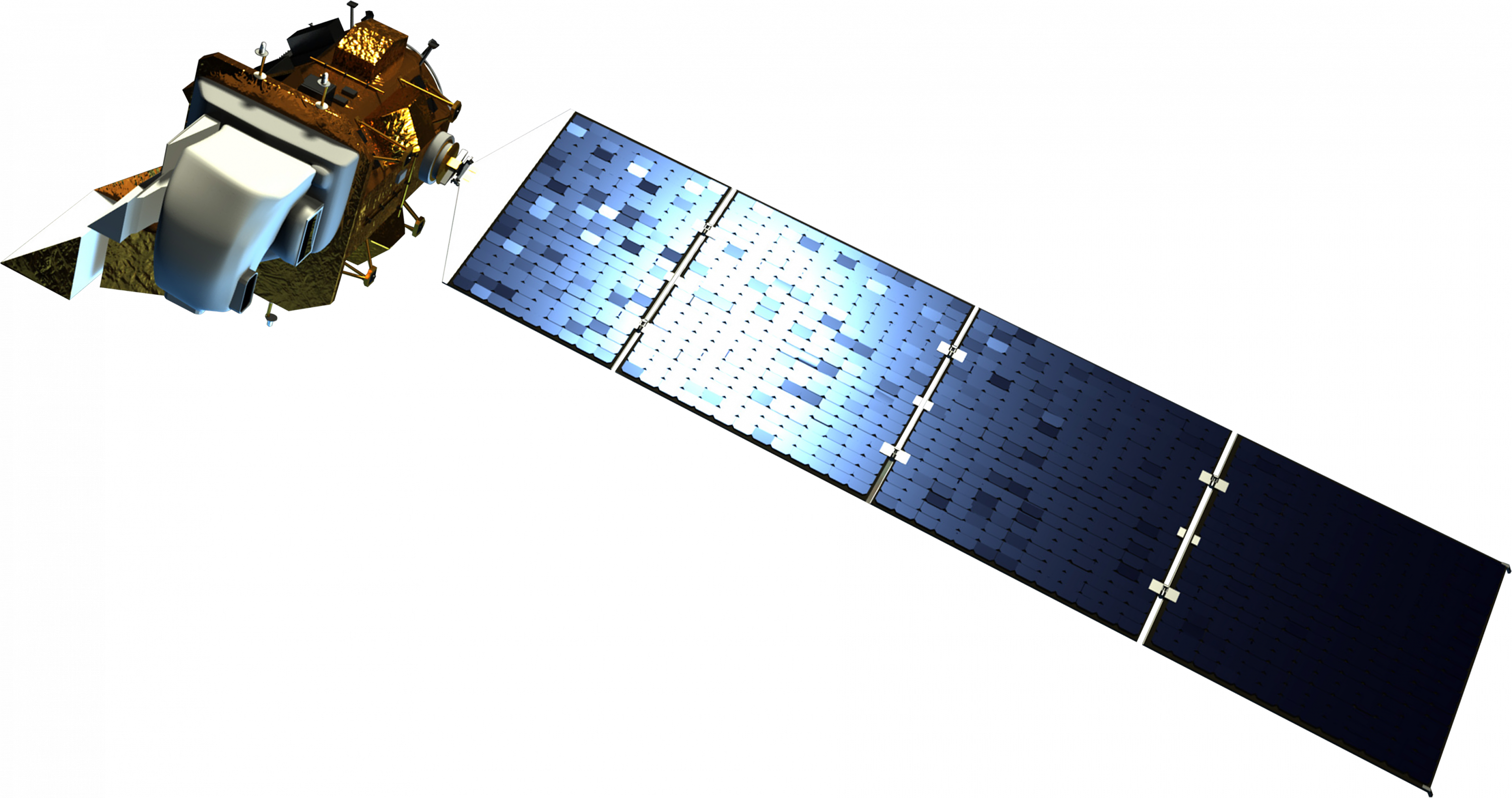
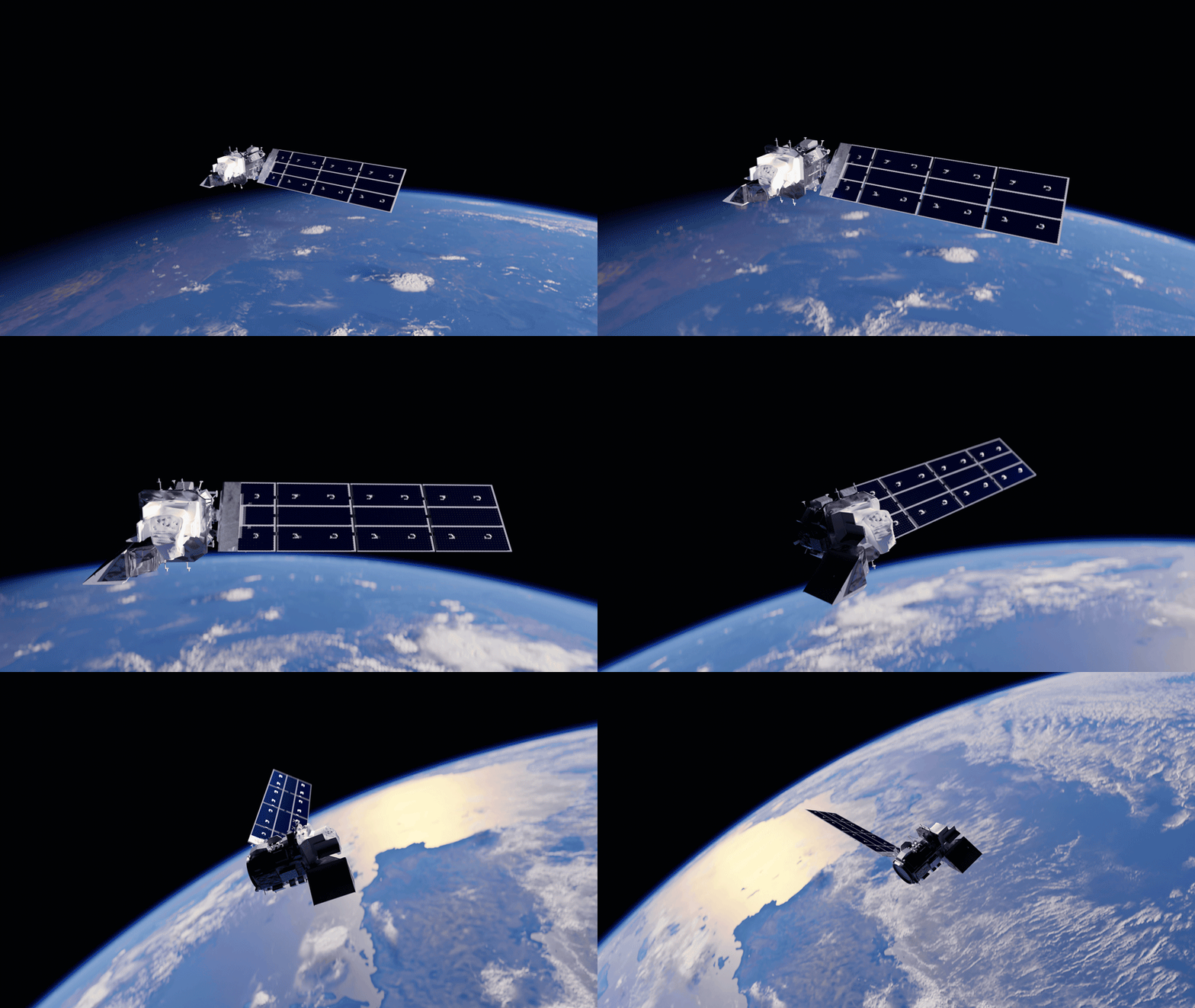
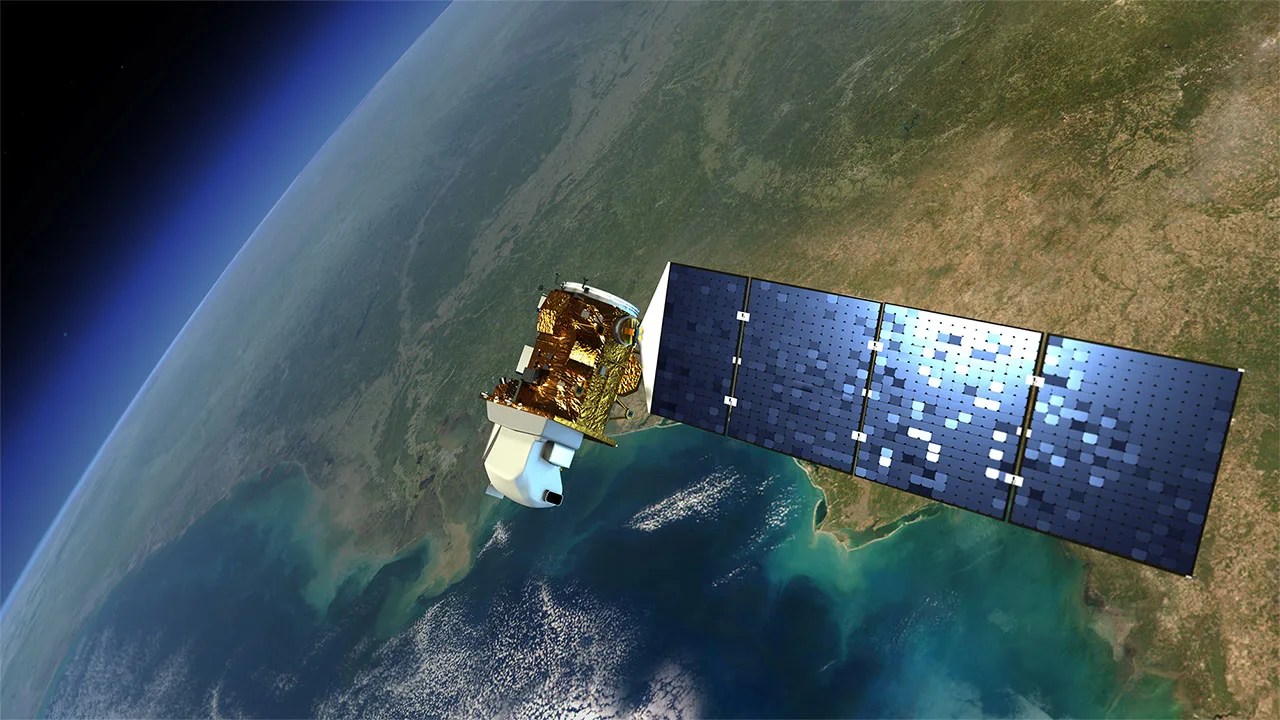
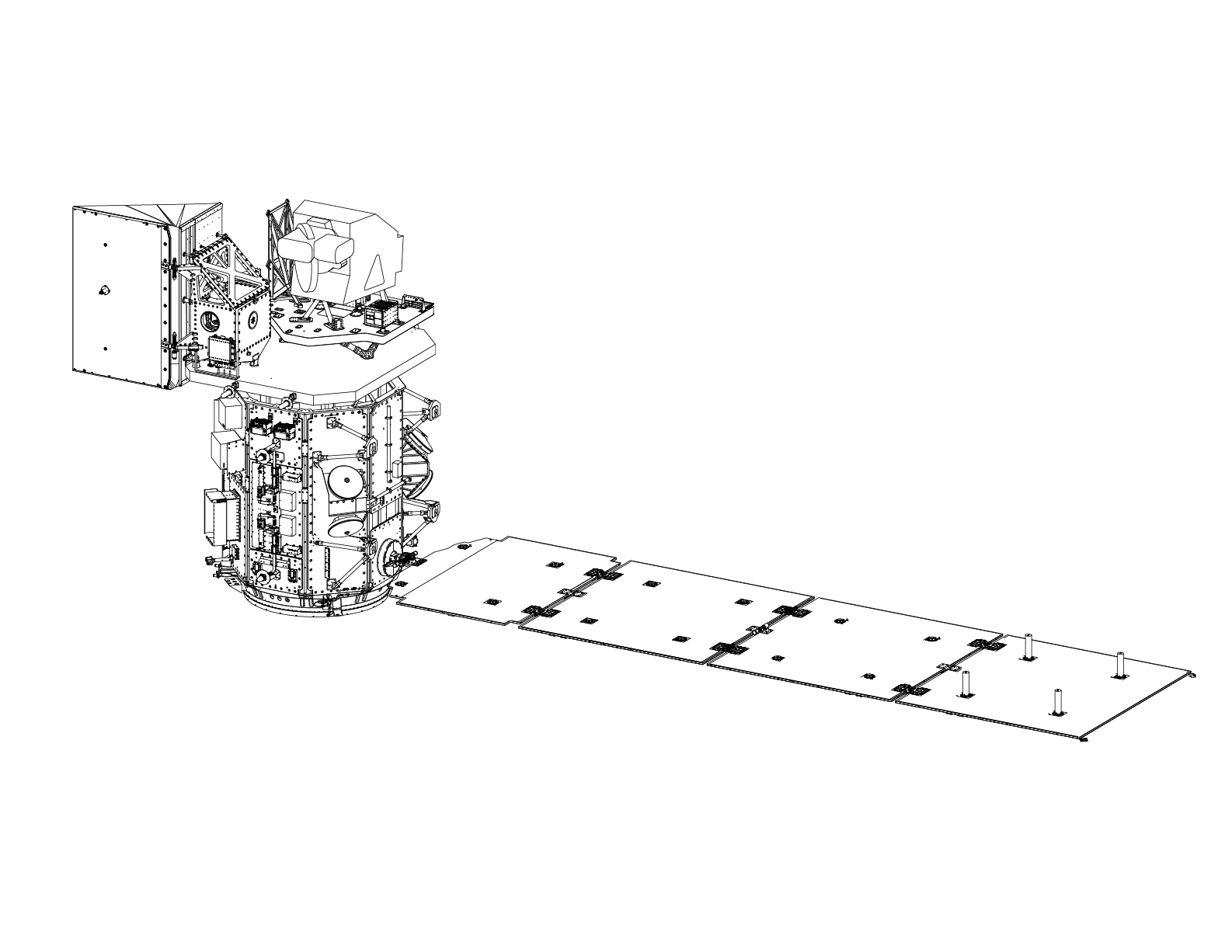
Landsat 8 has two instruments: the Operational Land Imager (OLI), which collects optical data in visible to shortwave-infrared wavelengths, and the Thermal Infrared Sensor (TIRS), which collects thermal-infrared data. The spacecrafts handle power, propulsion, data storage and downlink, and housekeeping. Orbital Sciences Corporation built the Landsat 8 spacecraft.
Launch Segment
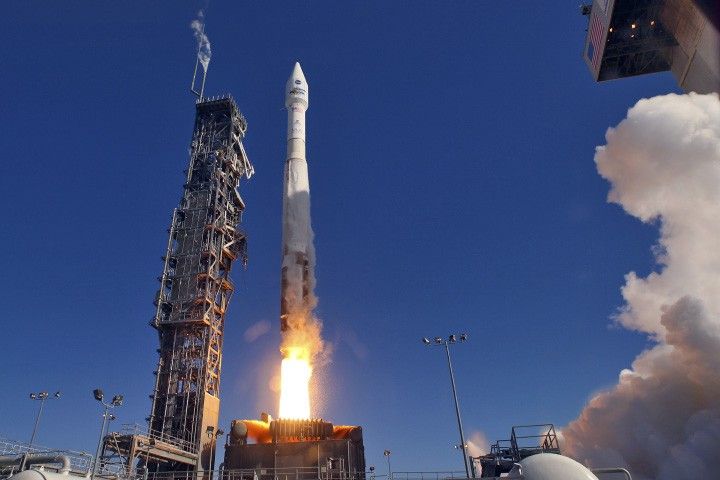
Landsat 8 was successfully launched into orbit on February 11, 2013 aboard an Atlas V rocket at Vandenberg Space Force Base. Launch services were provided by the NASA Kennedy Space Center (KSC) and the launch vehicle was managed by KSC and procured from United Launch Alliance.
Ground System
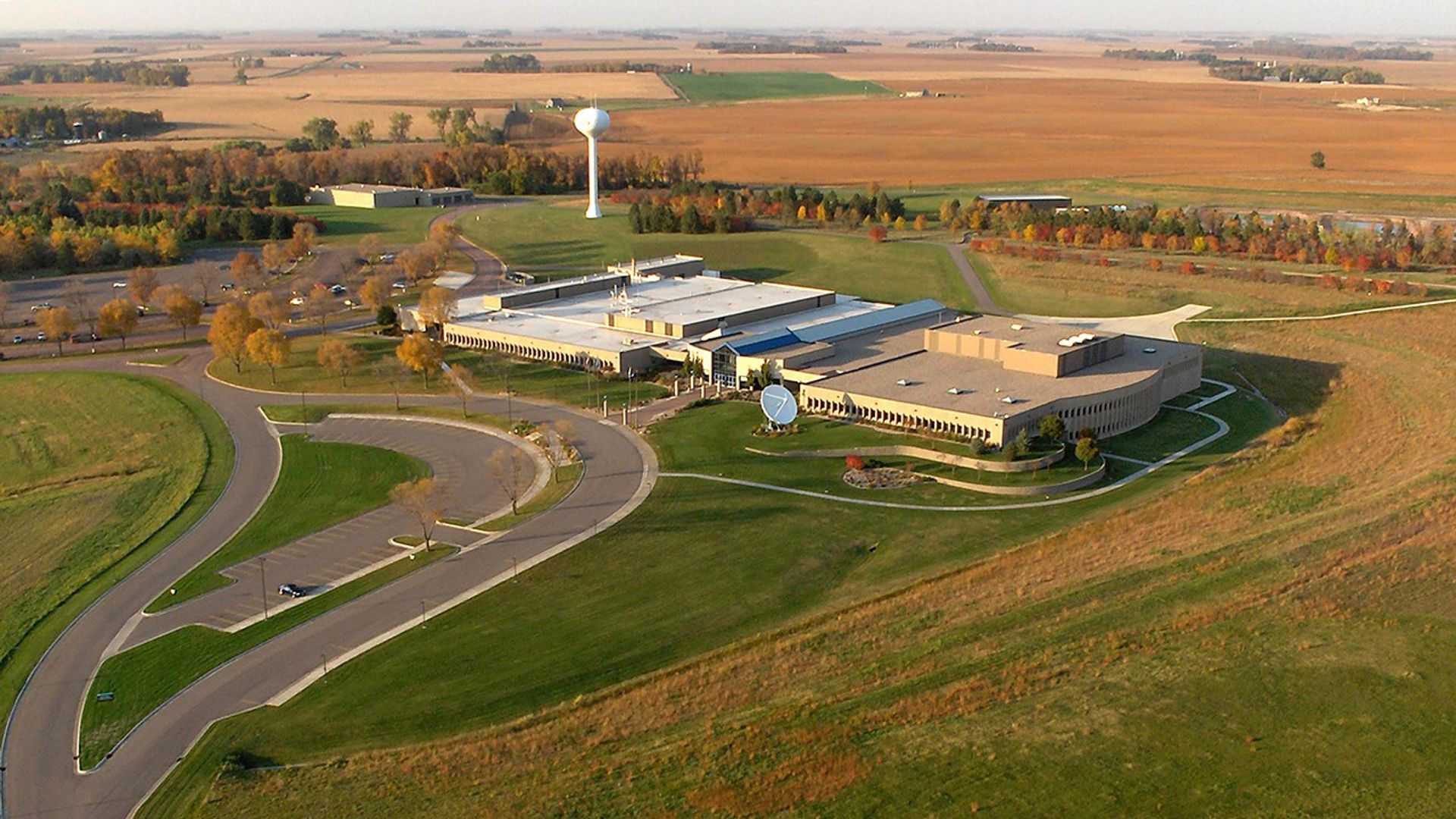
The Landsat 8 Ground System performs two main functions: command and control of the observatories in orbit and management of the data transmitted from the observatories. The USGS manages this sizable logistical job, which includes handling the massive quantity of Landsat data transmitted daily, quickly validating that data, and uploading it for anyone on the planet to freely download.
Mission Schedule & Lifecycle
Landsat 8 launched on February 11, 2013, from Vandenberg Air Force Base, California, on an Atlas-V 401 rocket, with the extended payload fairing (EPF) from United Launch Alliance, LLC. NASA managed the satellite build with a mission lifecycle that is divided into incremental phases.
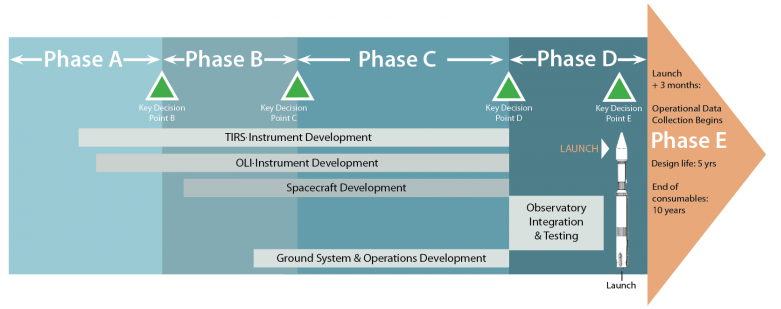
Phase A is concept and technology development; Phase B is preliminary design and technology completion; Phase C is final design and fabrication; Phase D is system assembly, integration and testing, and launch readiness; Phase E starts after on-orbit operational checkout and ends at the mission’s operational end.
Work started on LDCM in December 2005. The Office of Science and Technology Policy (OSTP) directed NASA to acquire a single Landsat data continuity mission in the form of a free-flyer spacecraft to continue the valuable Landsat data record.
LDCM passed Key Decision Point-B in September 2008, KDP-C in December 2009, and KDP-D in October 2011. On May 29, 2013, Phase E began. The mission was renamed Landsat 8 and USGS took over operations of the satellite and management of data downlinking, processing, and delivery.
| Instrument Development | Spacecraft Development | Ground System & Operations Development | Integration & Testing | Launch |
Instrument Development
Landsat 8 instruments were developed using a push-broom design, a technology demonstrated by the Advanced Land Imager (ALI) aboard EO-1 in 2000. A “push-broom” sensor refers to an instrument that collects data in consecutive strips in a track resembling the path of a pushbroom. This is in contrast to the “whiskbroom” ETM+ sensor on Landsat 7, in which a rotating mirror builds each line of an image swath pixel-by-pixel, following the progressive back-and-forth motion of a whiskbroom.
This simpler “push-broom” design leverages improvements in detector technology, resulting in a more sensitive instrument for improved land surface information and better performance across applications. Push-broom sensors have fewer moving parts and substantially lower volume, mass, and power consumption. This technology provides improved performance and response to user needs in line with the objectives of the 1992 Land Remote Sensing Policy Act.
Spacecraft Development
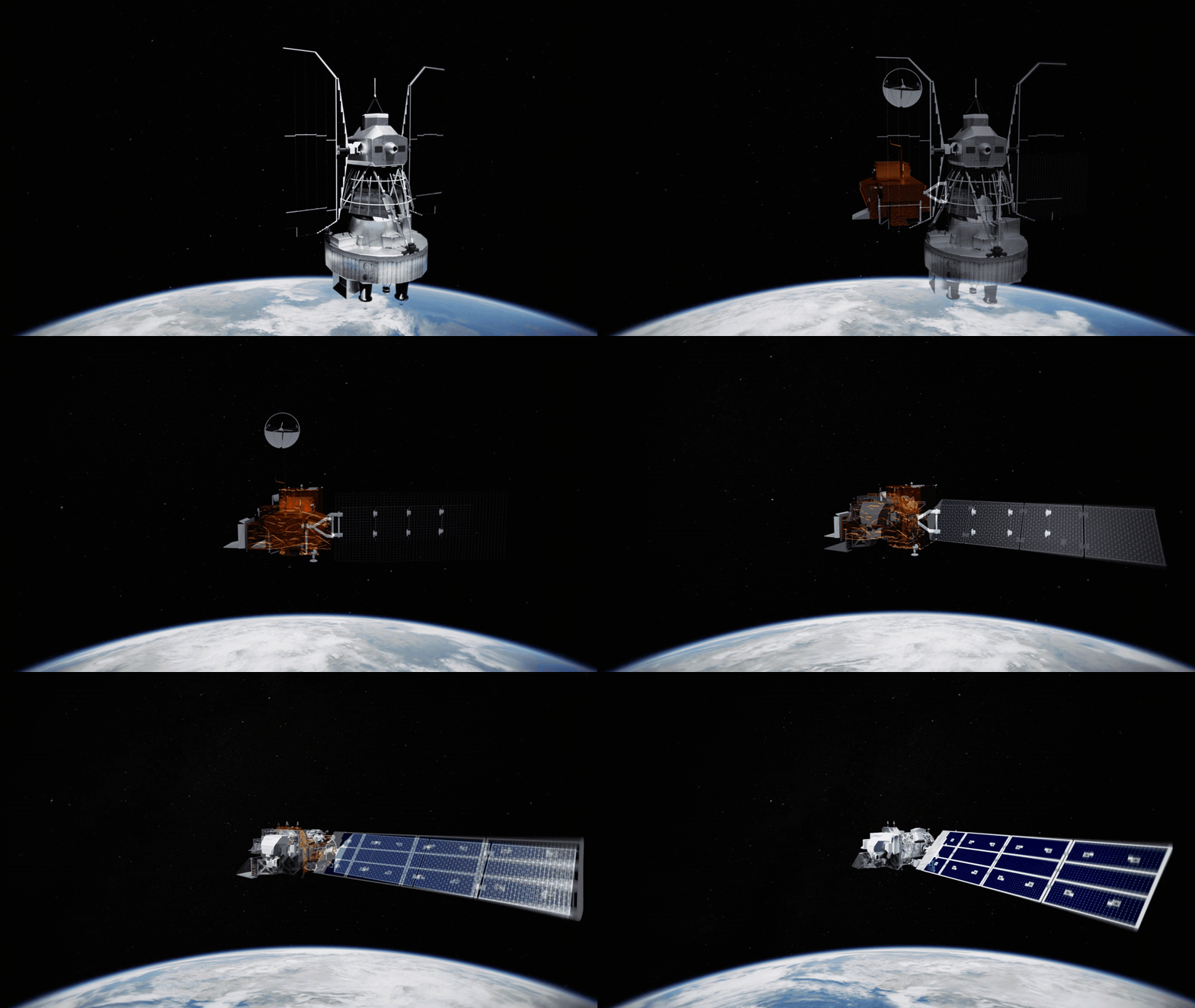
The Landsat 8 spacecraft was designed, manufactured, and tested by Orbital ATK’s Space Systems Group (now Northrop Grumman Innovation Systems) in Gilbert, Arizona. The design was based on the LEOStarTM-3 platform with a design life of five years and carries up to ten years of onboard consumables.
The spacecraft consists of the mechanical subsystem, command and data handling subsystem, attitude control subsystem, electrical power subsystem, radio frequency (RF) communications subsystem, hydrazine propulsion subsystem, and thermal control subsystem. As a Class B mission, the spacecraft has sufficient redundancies of critical components to ensure the collection of science-grade data over a 5-year mission life to minimize the risk of a single point failure.
Ground System Development & Operations
The U.S. Geological Survey is responsible for the Landsat 8 ground system which includes: the satellite command and control center, receiving stations, and data processing and archiving infrastructure. The USGS developed most elements of the ground system, with the exception of the Mission Operations Center (MOC), which was developed by General Dynamics Mission Systems (GDMS).
- Mission Operations Center (MOC) defines the set of scenes to be collected by the observatory on a daily basis. The MOC plans and schedules instrument activities, commands and controls the spacecraft, and monitors the spacecraft and ground operating systems’ health and status. The MOC is located at the NASA Goddard Space Flight Center (GSFC).
- Ground Network Element (GNE) includes the hardware, software, and networks necessary to communicate with the spacecraft. This includes antennas that transmit and receive commands via S-band to monitor and control instruments on the spacecraft. X-band antennas are used to download science data to ground stations. The GNE relies on the International Ground Station (IGS) Network to assist with those communications.
- Data Processing and Archive System (DPAS) is responsible for receiving raw instrument data from the Ground Networks, processing it into calibrated data products, and archiving the data for access and distribution.
Integration & Testing
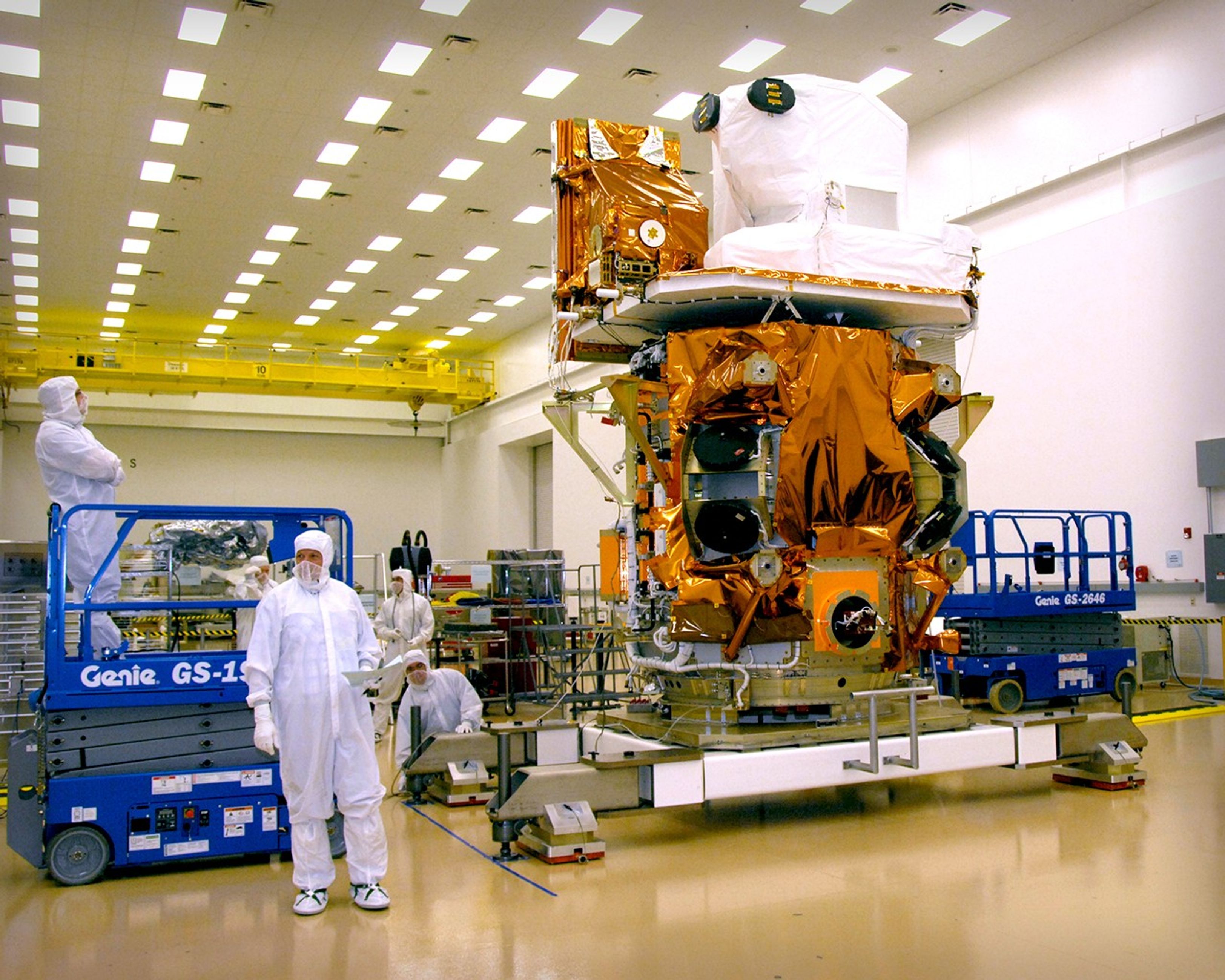
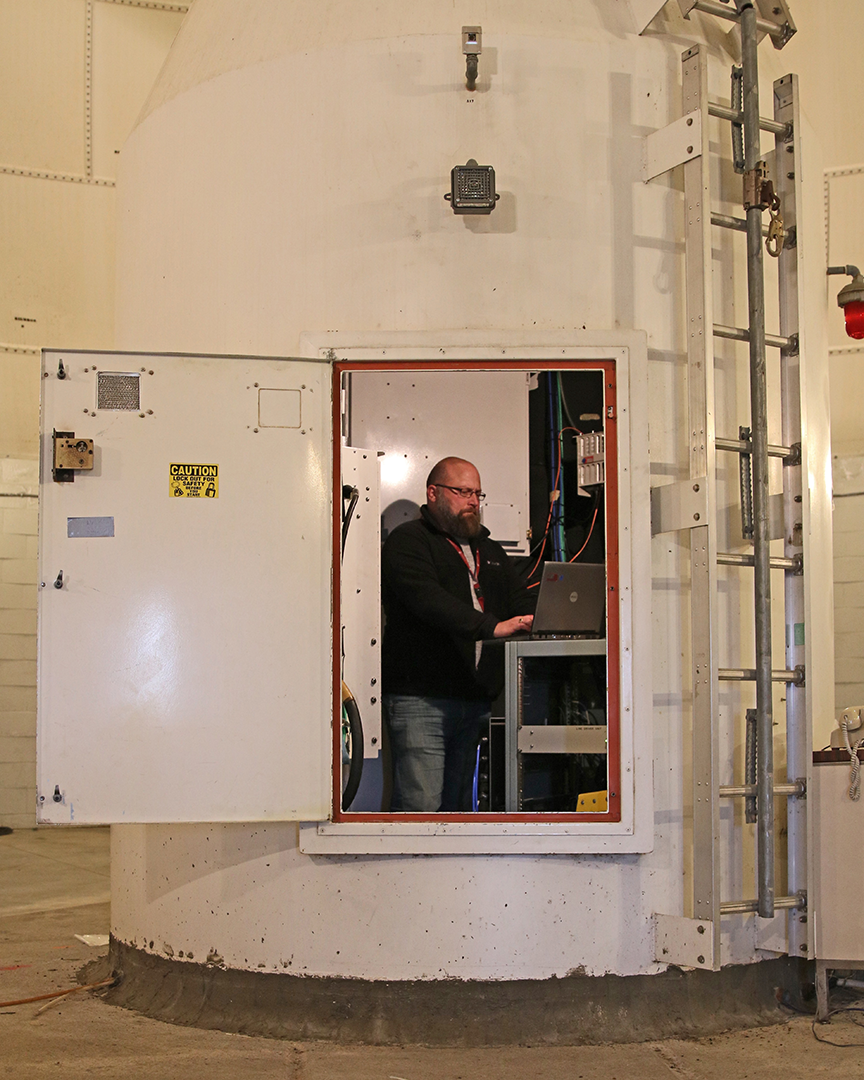
After OLI and TIRS were built and tested, they were shipped to the spacecraft manufacturer, Northrop Grumman, who mounted the instruments onto the spacecraft bus in a process known as integration. After integration, testing began in a thermal vacuum chamber that simulates the outer space environment to test instrument performance.
The satellite went through several cycles of extreme hot and cold temperatures to simulate the sunlit and earth shaded periods of 14+ sun synchronous orbits per day. The satellite was also subjected to acoustic, vibration, and electromagnetic interference tests to ensure the spacecraft could survive its rocket ride into space.
Launch
Landsat 8 was launched from Vandenberg Space Force Base, California, aboard a United Launch Alliance Atlas-V 401 launch vehicle. Landsat 8 launched on February 11, 2013 at 10:02 a.m. PST.
Operations
A satellite is not ready for active service until a commissioning (on-orbit check out) process takes place to ensure that the spacecraft and instruments are operating properly. The commissioning process is a highly-coordinated and fast-paced effort involving hundreds of people on the Missions Operations, Ground Systems, and Calibration and Validation teams. This period lasts approximately 100 days, after which the satellite is declared operational.
Once the satellite passes on-orbit check-out, operations are transferred from NASA to USGS including the management of the Mission Operations Center at GSFC.USGS distributes data and leads the calibration, validation, and characterization of the Landsat 9 data. USGS is responsible for mission operations, including investigating any anomalies that occur throughout the life of the mission.
I do not think it hyperbole to suggest that all seven billion of us will benefit from the Landsat continuity mission.

Jim Irons
Former Landsat 8 Project Scientist
Mission Management
Roles
It takes hundreds of people to design, build, launch, and operate a robust satellite observatory that can withstand the rigors of space and provide reliable, well-calibrated scientific data. Science and engineering leadership and collaboration within the Landsat 8 organization are key to the success of the mission.
The NASA Goddard Space Flight Center (GSFC) was responsible for developing the Landsat 8 flight segment and the USGS Earth Resources Observation and Science (EROS) Center was responsible for developing the ground segment. The Launch Services Program (LSP) located at the NASA Kennedy Space Center (KSC) provided launch services for the satellite.
Continuing Landsat's 40-Year Legacy
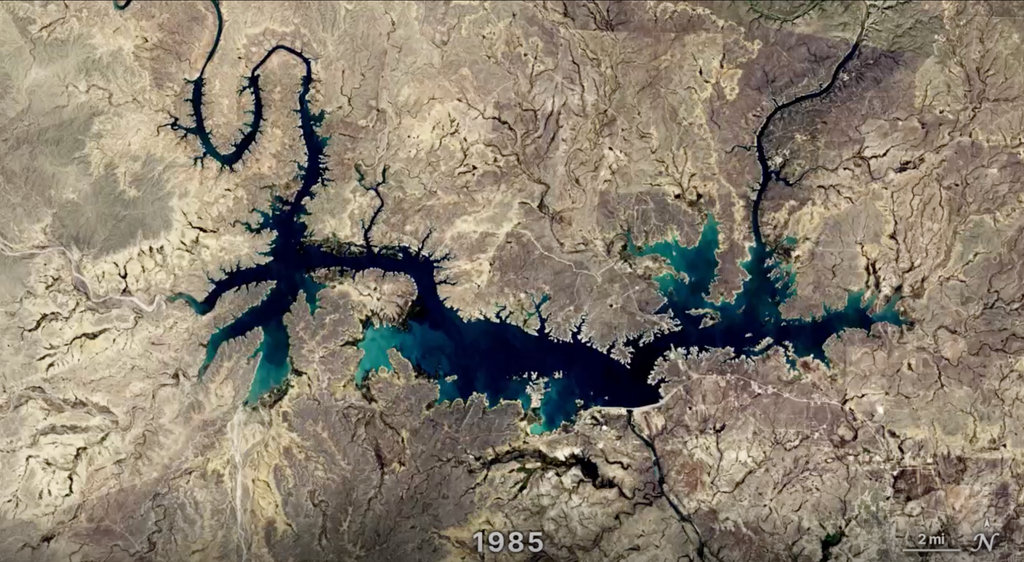
Landsat 8—originally named the Landsat Data Continuity Mission (LDCM)—is a collaboration between NASA and the U.S. Geological Survey that expands and improves on the Landsat record with observations that advance a wide range of Earth sciences and contribute to the management of agriculture, water and forest resources.