




Latest NASA Science News
Stay up-to-date with the latest news from NASA Science as we explore the universe, solar system, sun and our home planet Earth.
Filters
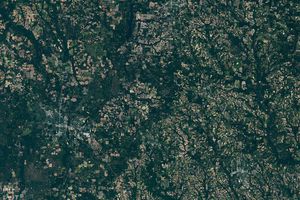
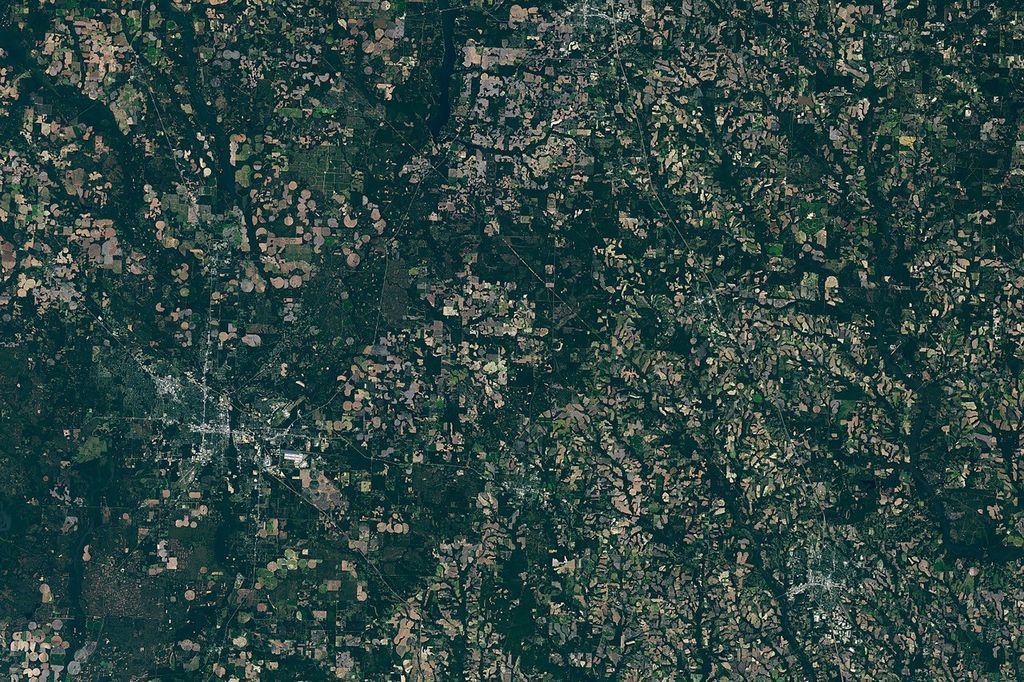
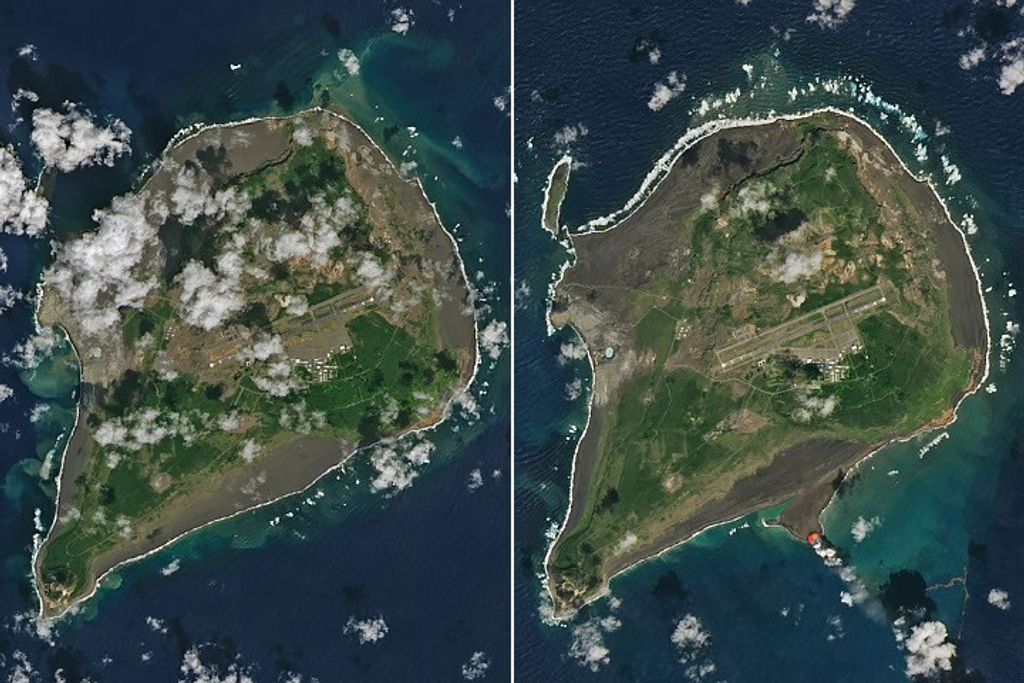
Since an early-1900s planting boom, orchards along the Flint River in southwest Georgia have become a center of U.S. pecan production.
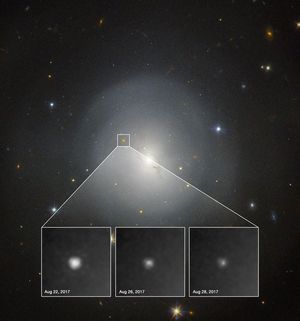
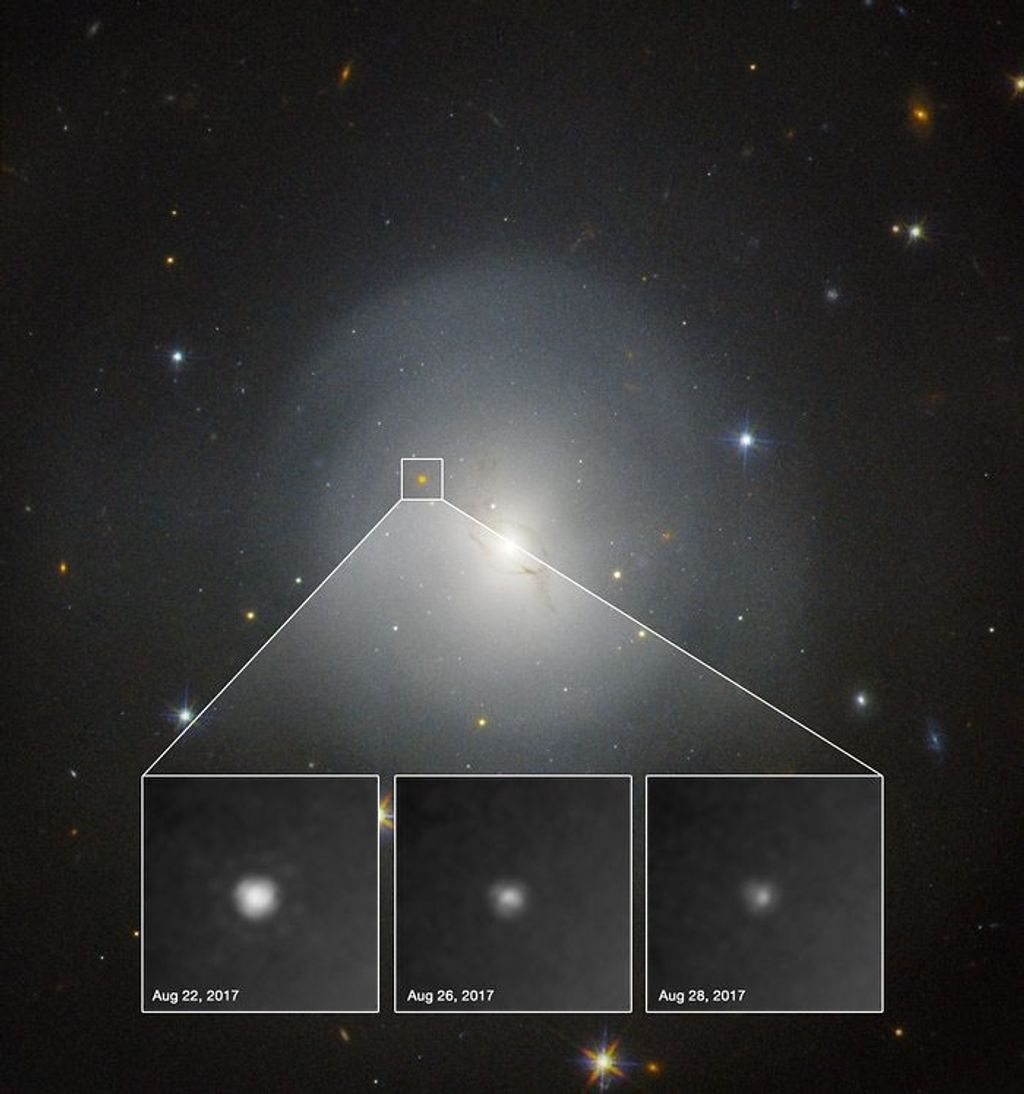
Neutron stars are the ultra-dense, city-sized leftovers of dead stars. When they collide, they can release a brief flash of light called a kilonova. These immensely powerful events forge much of the universe’s gold, platinum and other heavy elements. Since…
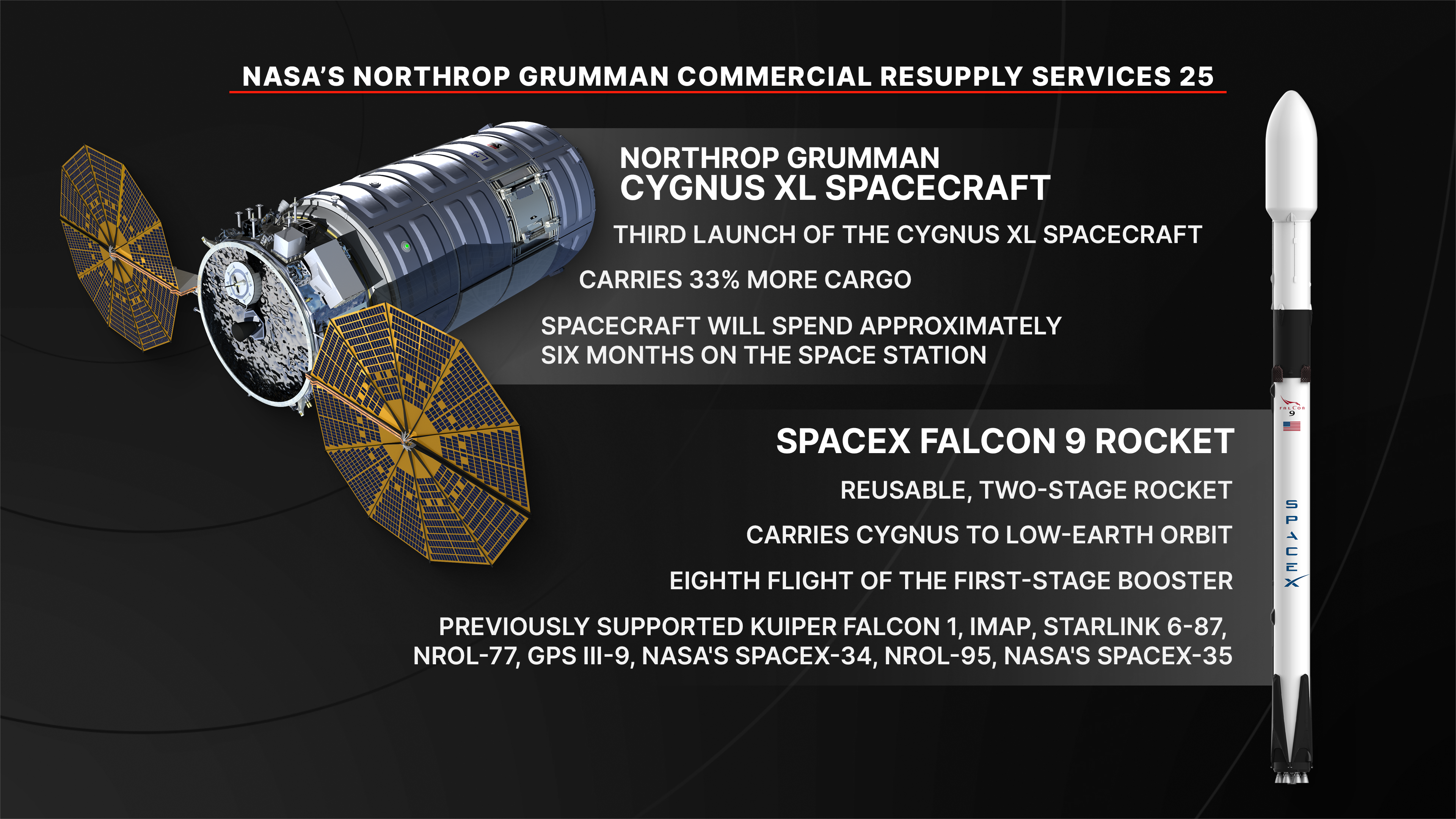
NASA’s Northrop Grumman Commercial Resupply Services 25 mission, or Northrop Grumman CRS-25, will deliver about 11,000 pounds of science and supplies to the International Space Station. The mission will be the third flight of the company’s Cygnus XL, the larger,…

American Geophysical Union (AGU) 2026 Join NASA in the Exhibit Hall (Booth #525) for Hyperwall Storytelling by NASA experts. Full Hyperwall Agenda below. TUESDAY, NOVEMBER 17 10:30 AM High Resolution Hydrology Simulations and Agentic Super Intelligence Interfaces for Mapping Water…
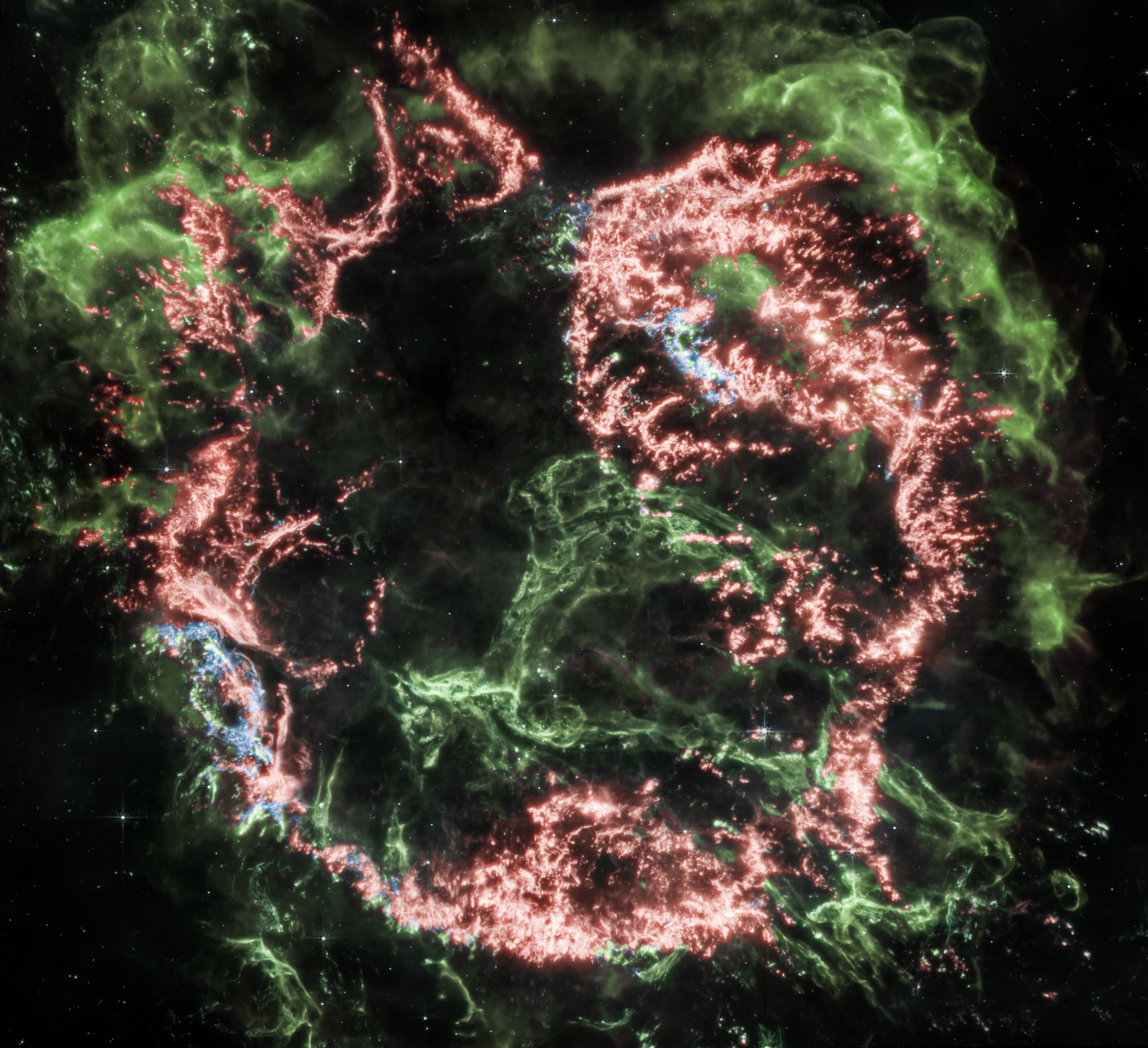
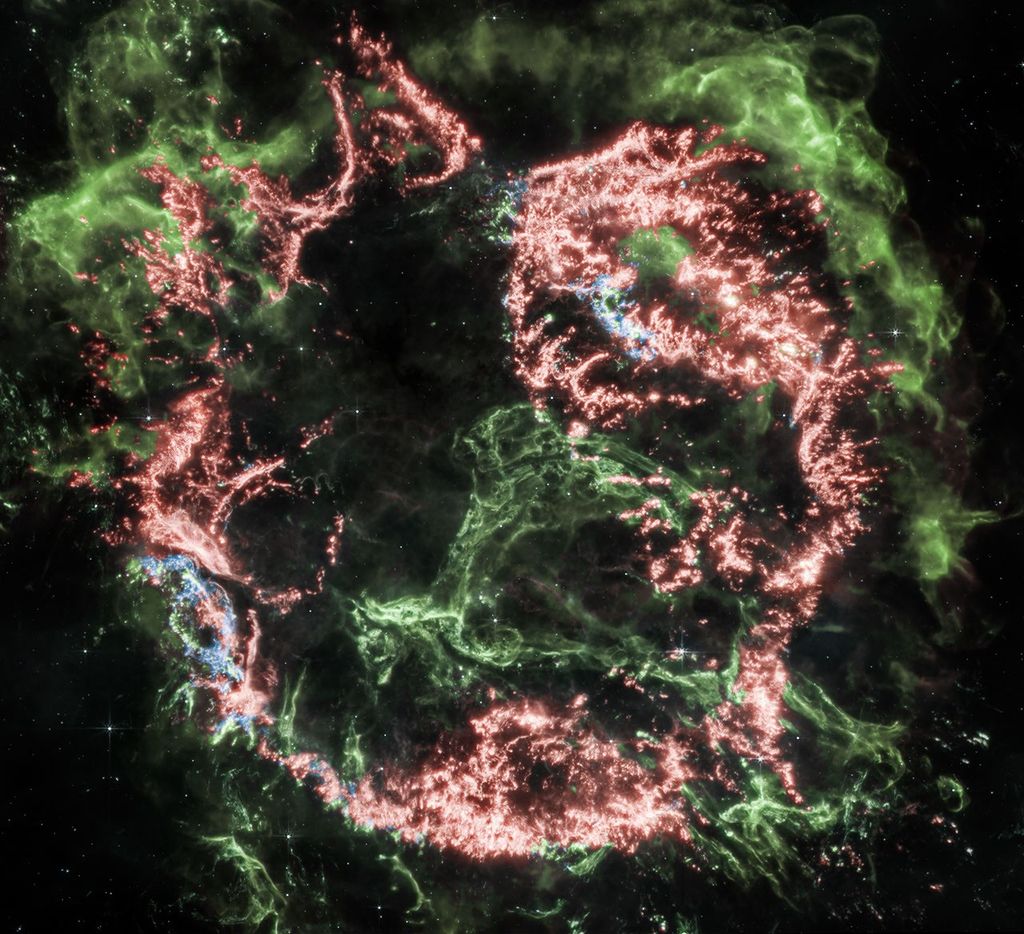
NASA’s James Webb Space Telescope reveals the hot dust that makes up Cassiopeia A (Cas A) in this high-resolution, mid-infrared image released on Nov. 23, 2026. Remnants like these are the clouds of gas and dust that remain following the…
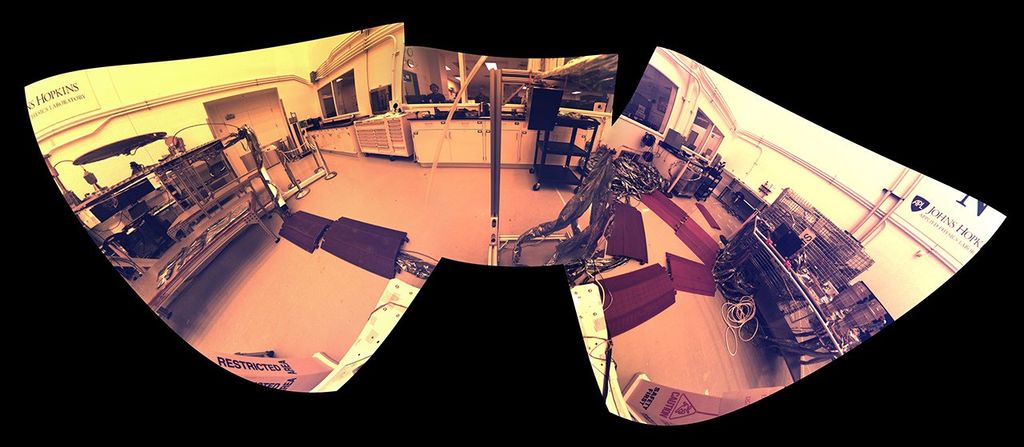
Science instruments for NASA’s Dragonfly are starting to arrive at the Johns Hopkins Applied Physics Laboratory (APL) in Laurel, Maryland, where the car-sized rotorcraft is coming together for its mission to explore Saturn’s largest moon, Titan. First to check in:…
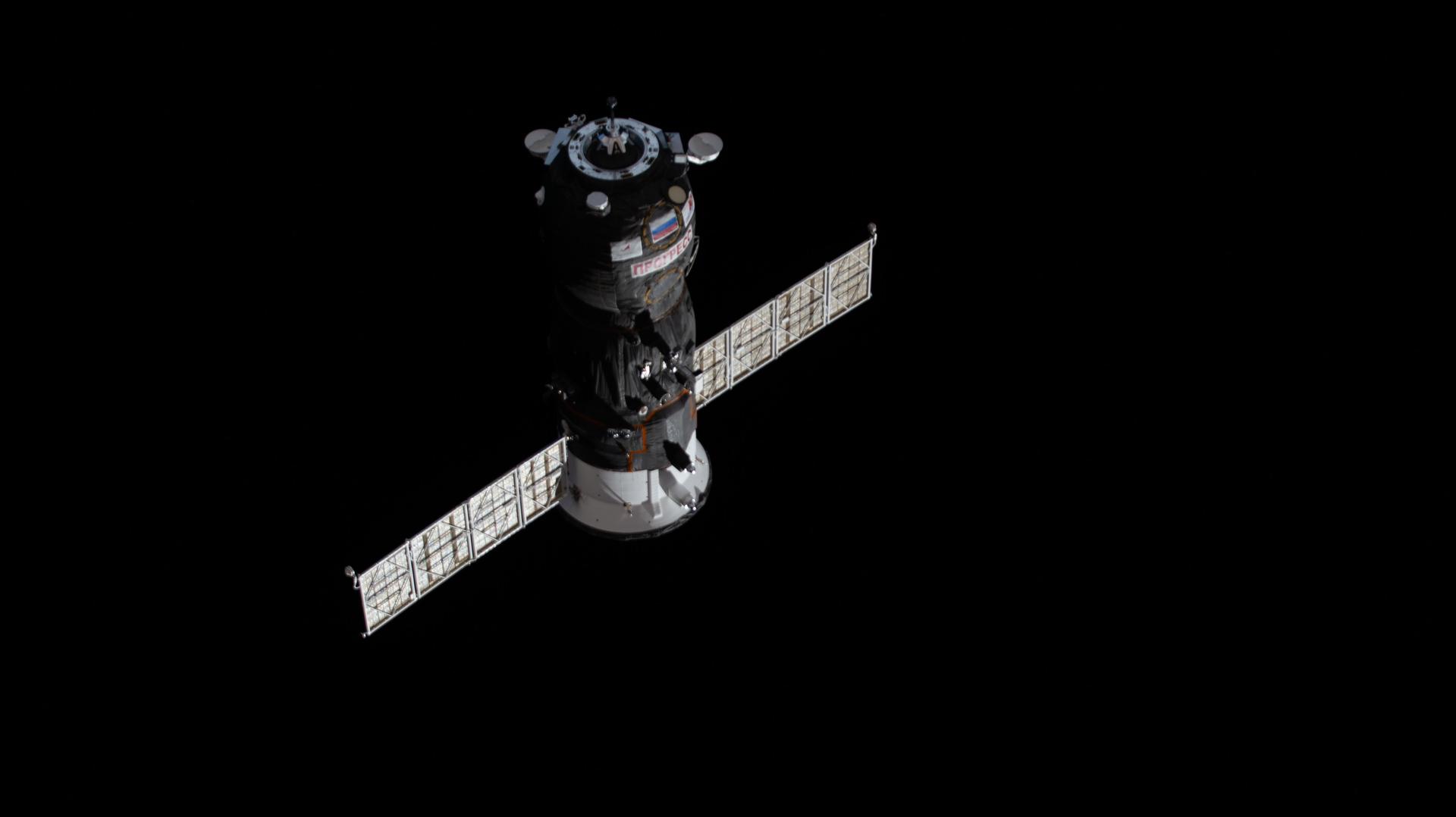
A Progress 97 cargo spacecraft from Roscosmos is orbiting Earth and on its way to resupply the Expedition 75 crew aboard the International Space Station after launching at 5:17 a.m. EST today from Kazakhstan. Filled with about three tons of…
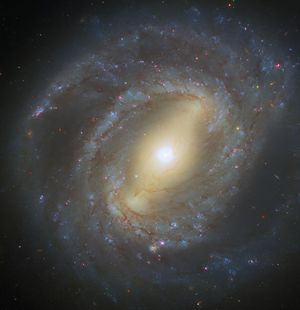
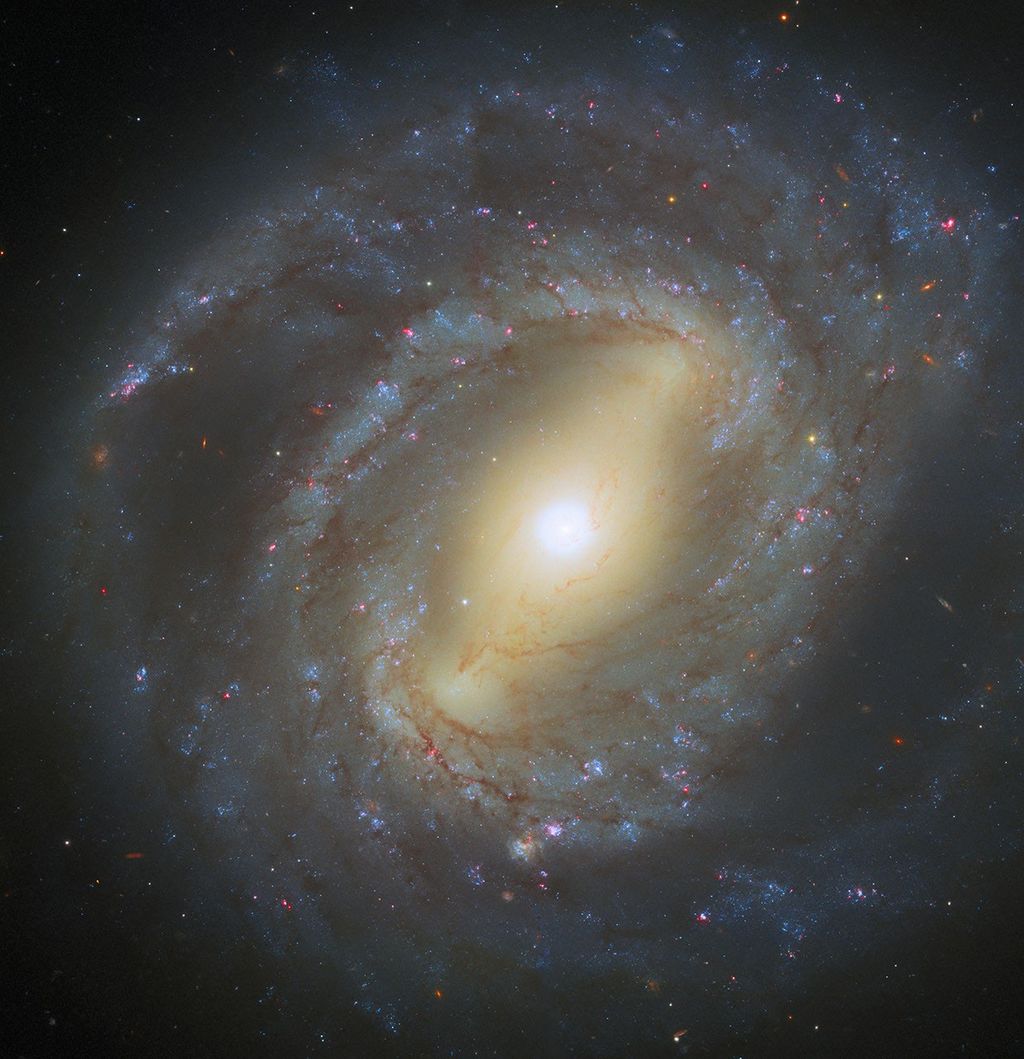
The brilliant galaxy NGC 4394 with its distinct galactic bar takes center stage in this Hubble Space Telescope image
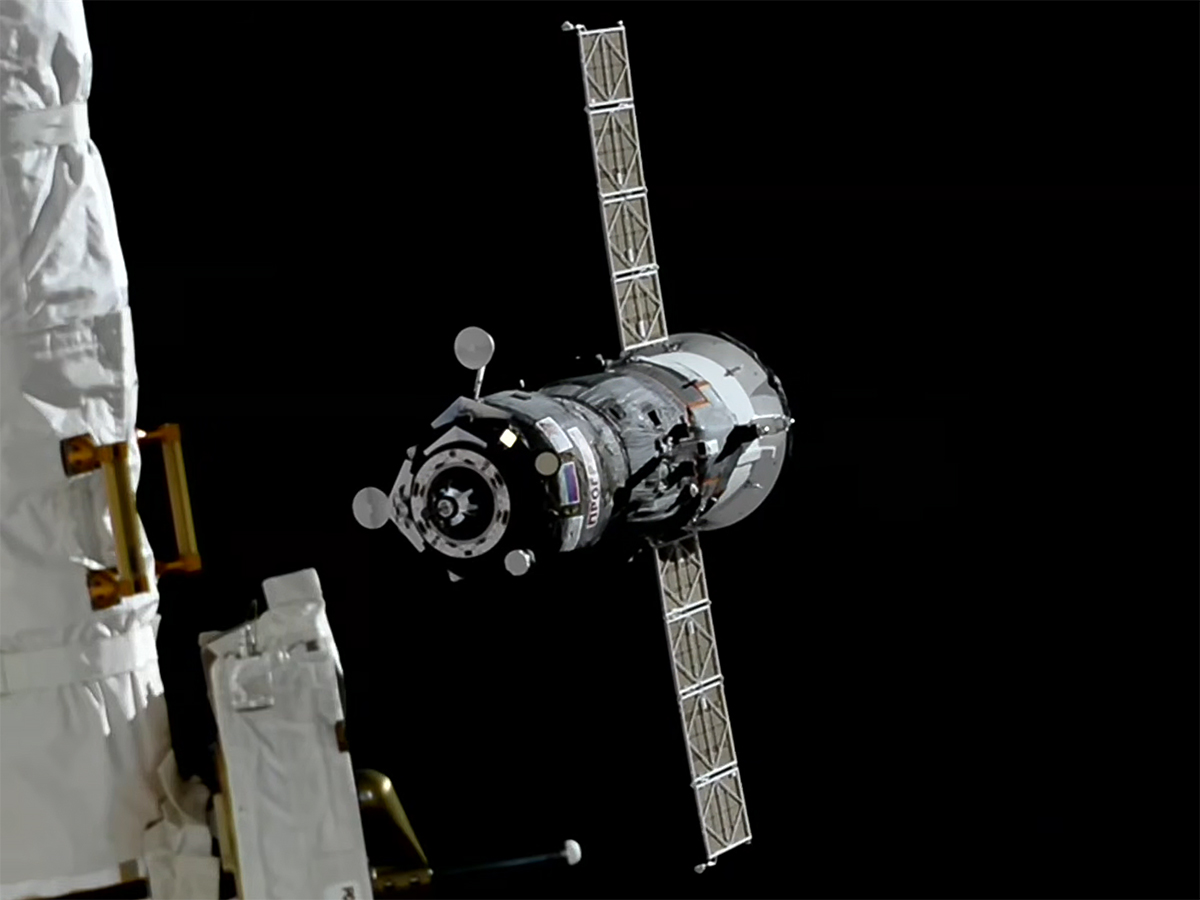
The unpiloted Roscosmos Progress 97 spacecraft is safely in orbit and on its way to the International Space Station after launching at 5:17 a.m. EST (3:17 p.m. Baikonur time) on a Soyuz rocket from the Baikonur Cosmodrome in Kazakhstan.