














The Fourth of July Through Hubble’s Eyes
Hubble Shares 13 Images for the Nation's 13 Original Colonies

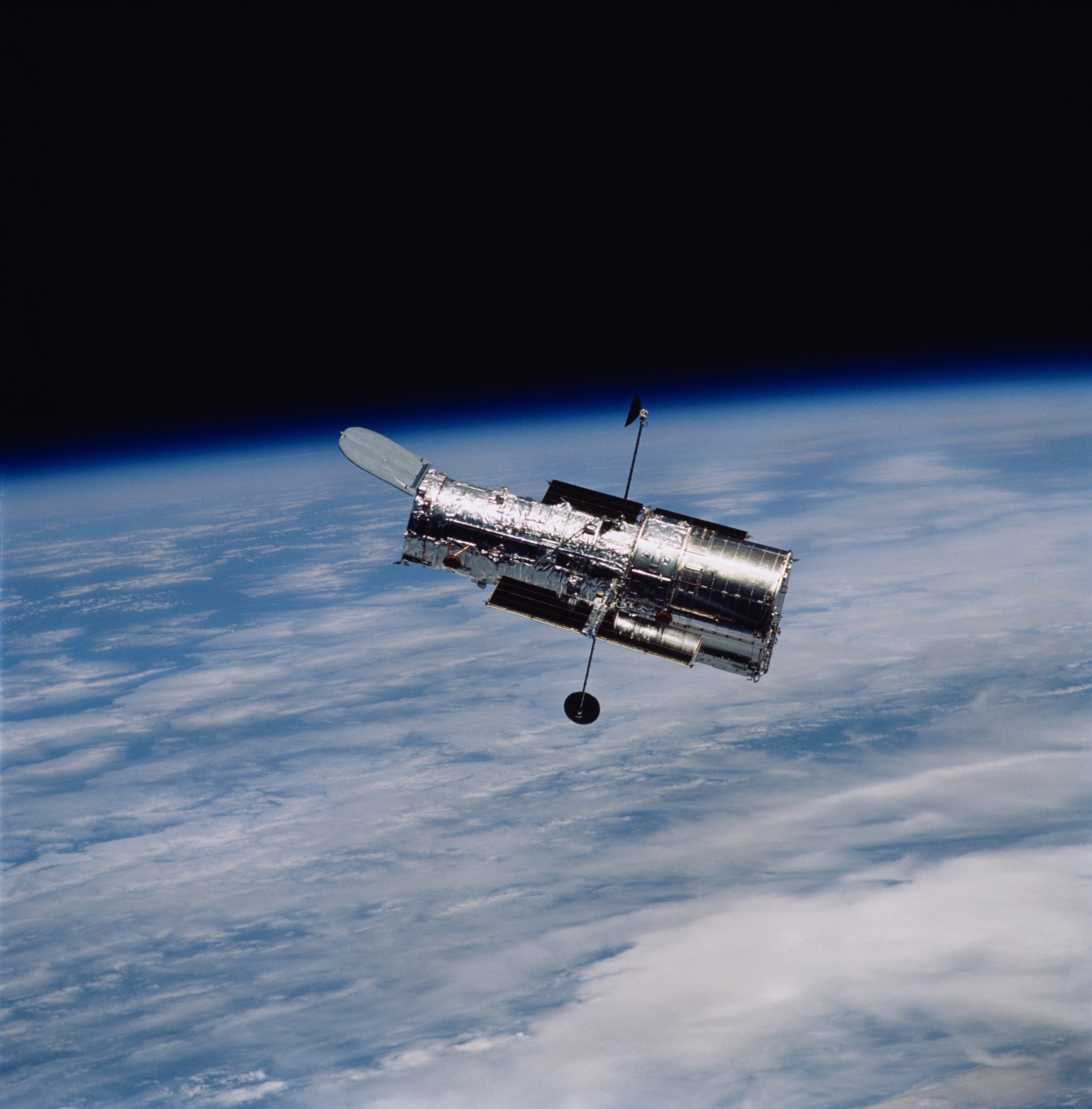
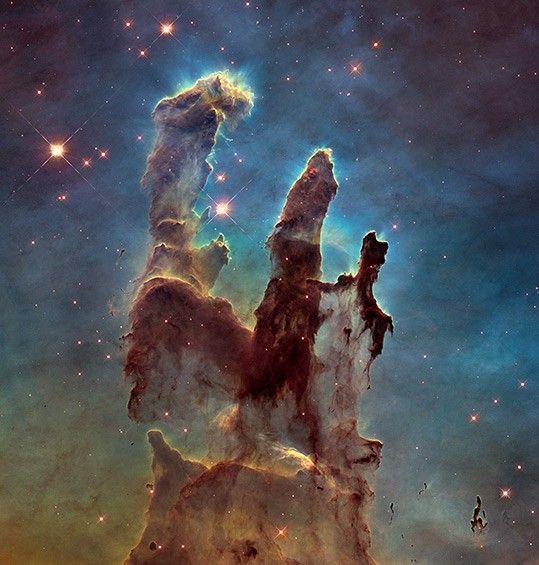
NASA's Hubble Space Telescope commemorates the nation's 250th birthday with a fireworks display in the colors of the cosmos. Enjoy this collection of images captured on July 4th over Hubble’s 36-year history.
As one of the most iconic and historic missions of the United States' space program, Hubble’s story is woven into the fabric of American life. Hubble images populate movies and television shows, the pages of science textbooks and classroom posters, and even items of daily life like coffee mugs and socks.
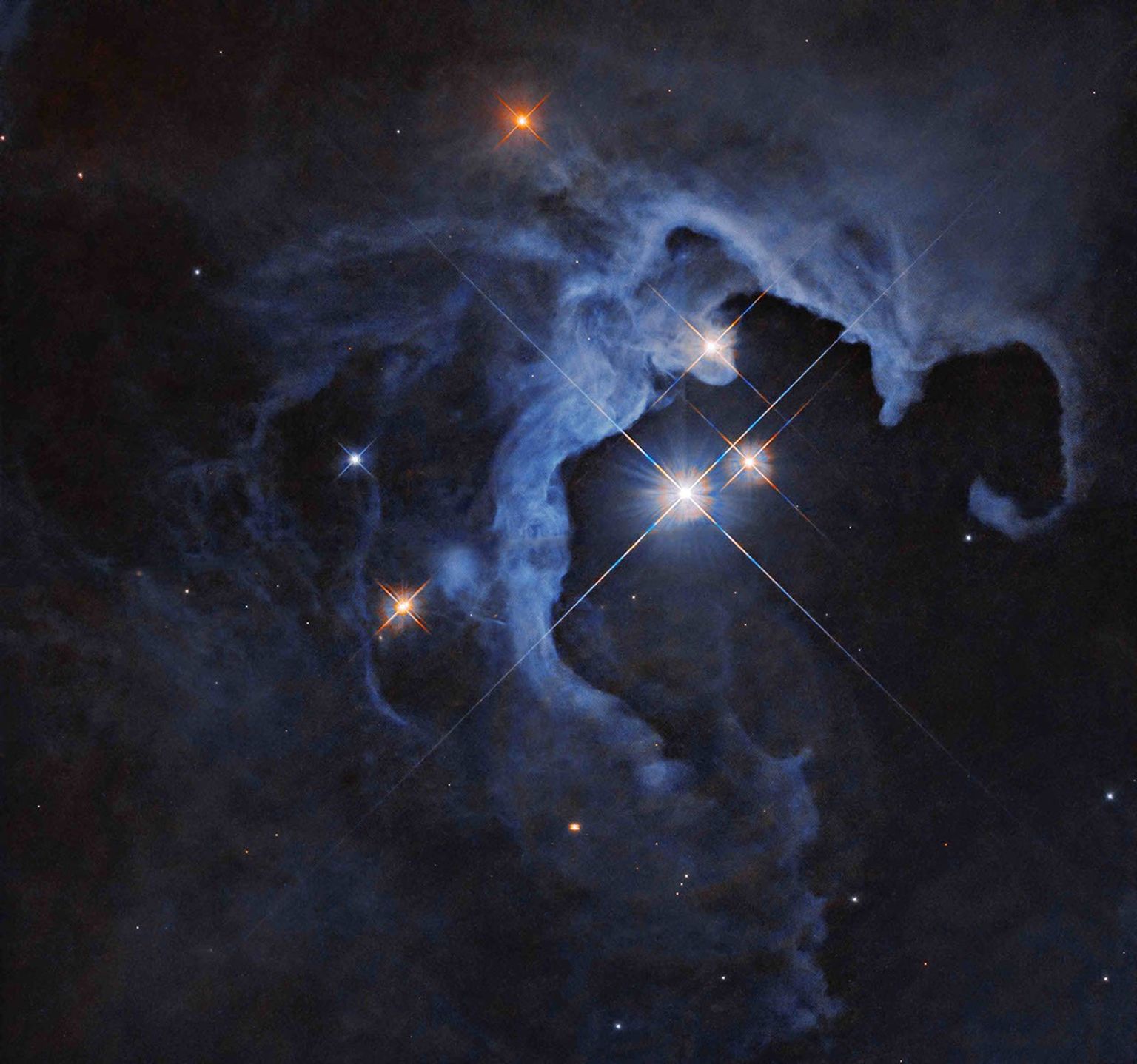
Each of the 13 images below, ranging from 1990-2025, contain data taken on a Fourth of July. But these pictures represent an extremely small portion of Hubble's more than 1.7 million observations. From these observations, astronomers have published more than 23,000 peer-reviewed scientific papers on Hubble discoveries, making Hubble one of the most prolific astronomical instruments in history.
Now in its 37th year in orbit, Hubble has far exceeded its 15 year expected lifespan and continues to spur our imaginations with beautiful images and groundbreaking science, further inspiring our desire to explore and learn more.
Images with data obtained on July 4th

The image collection you see here represents a small sample of nearly 3,500 Hubble data sets captured on July 4th for the first 36 years of Hubble's time in orbit. These data sets include more than 2,500 scientific observations and nearly 1,000 instrument calibrations that allow astronomers to correct the raw data for electrical and thermal noise, non-uniform sensitivity across its detectors, and other random signals that can skew the data. Of the scientific observations, nearly 2,000 are images taken with Hubble's cameras and roughly 500 are spectra taken with Hubble's spectrographs. Note that three of Hubble's cameras — Advanced Camera for Surveys, Wide Field Camera 3, and the Near Infrared Camera and Multi-Object Spectrometer — also have spectrographic capabilities that allow astronomers to capture an image along with detailed data about the object’s light.

For more details on these images, click the links below.
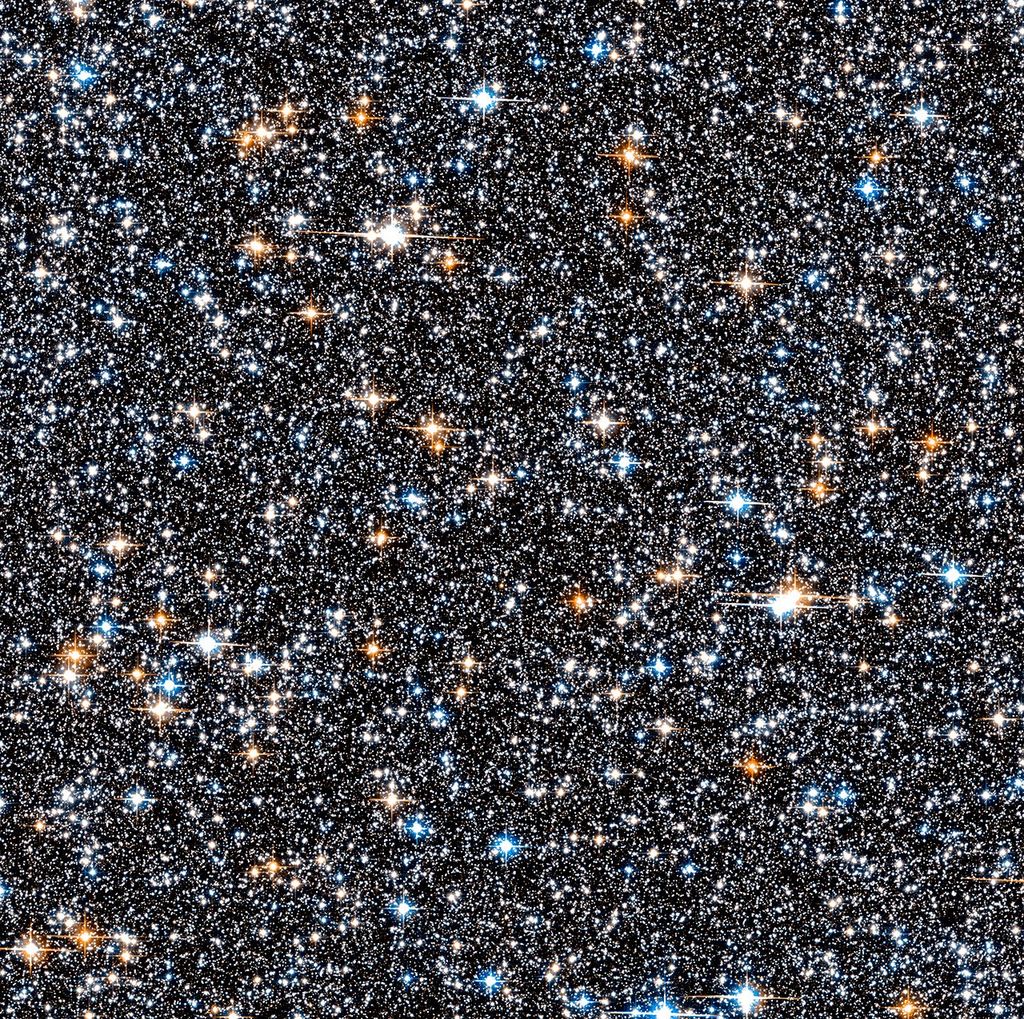
Hubble SWEEPS Field
Peering deep into the Milky Way's crowded central hub of stars, Hubble researchers uncovered a population of ancient white dwarfs – smoldering remnants of once-vibrant stars that inhabited the core.
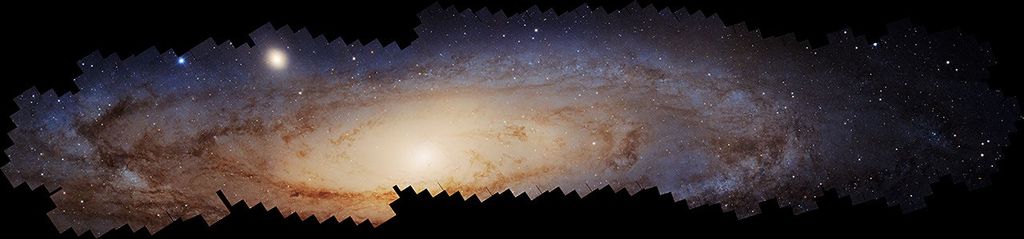
Andromeda Galaxy
This Hubble panoramic view of the neighboring Andromeda galaxy, located 2.5 million light-years away, took over 10 years to make, requiring over 600 Hubble overlapping snapshots.
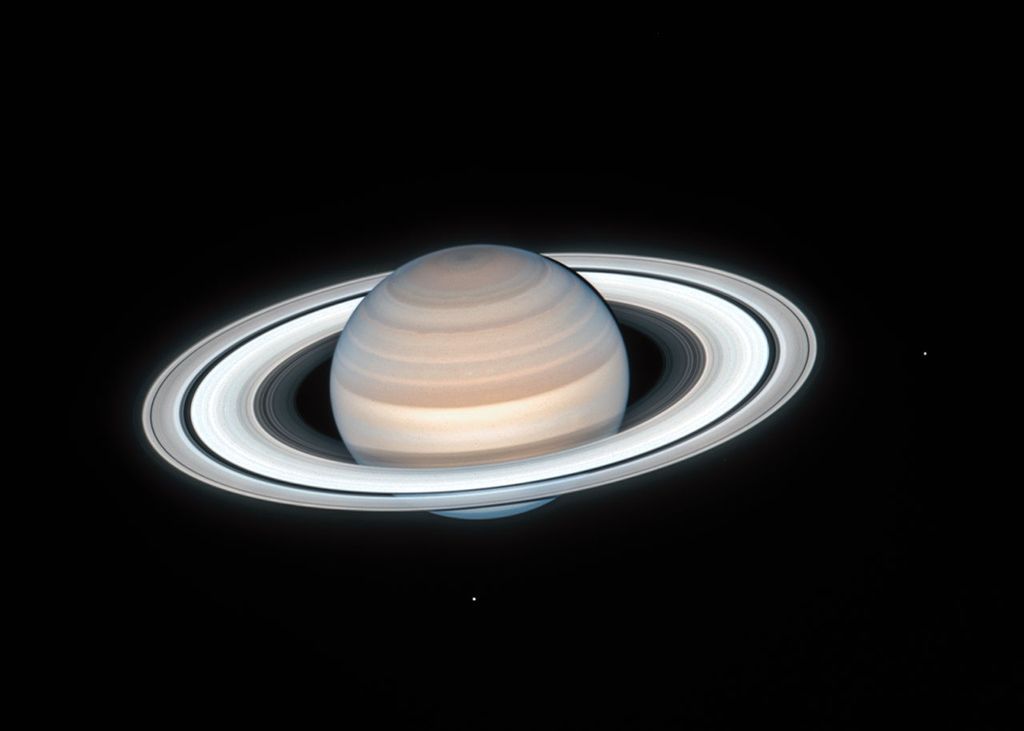
Saturn
Our solar system's "Lord of the Rings" was 839 million miles from Earth when Hubble took this image during summer in its northern hemisphere.
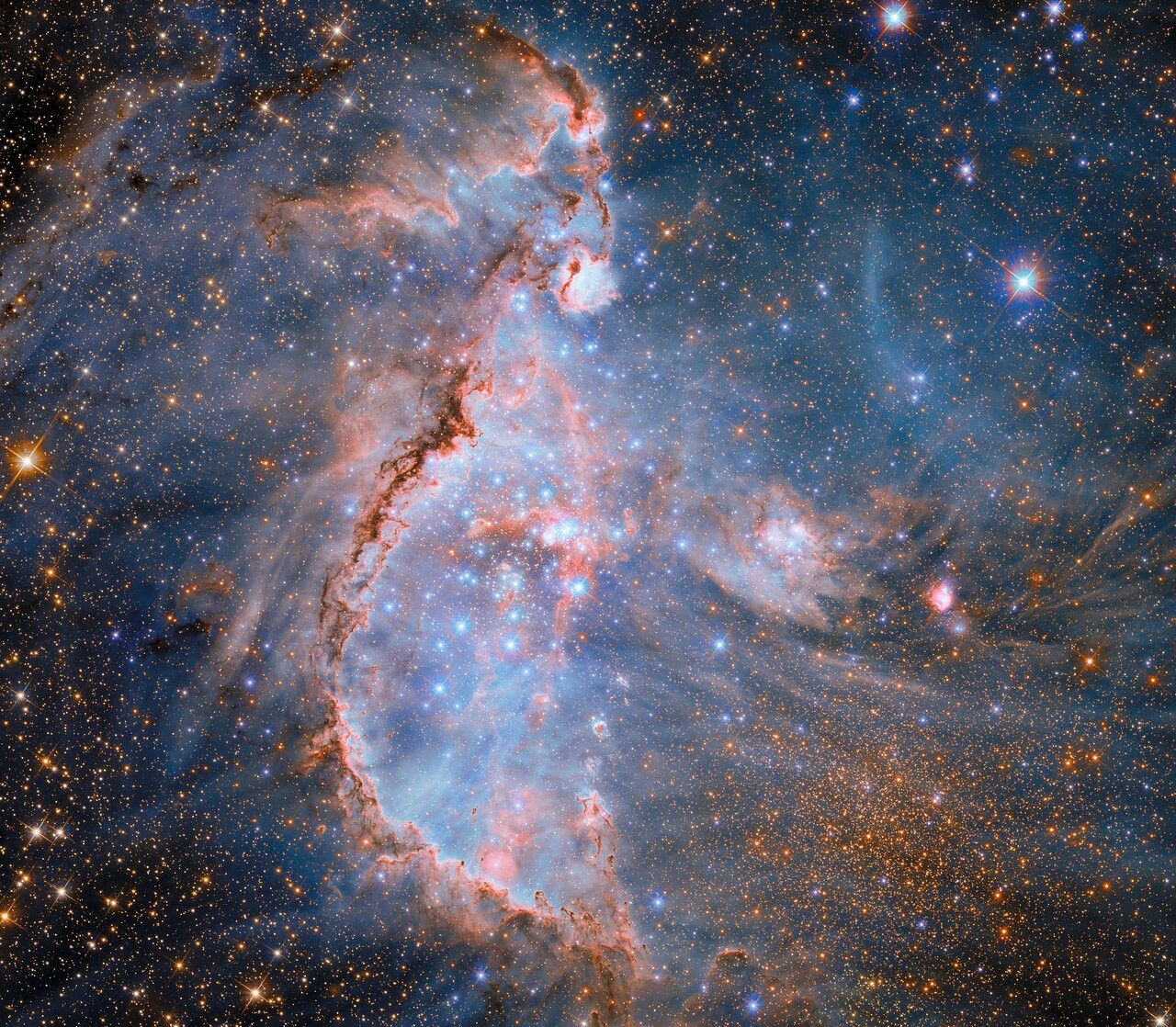
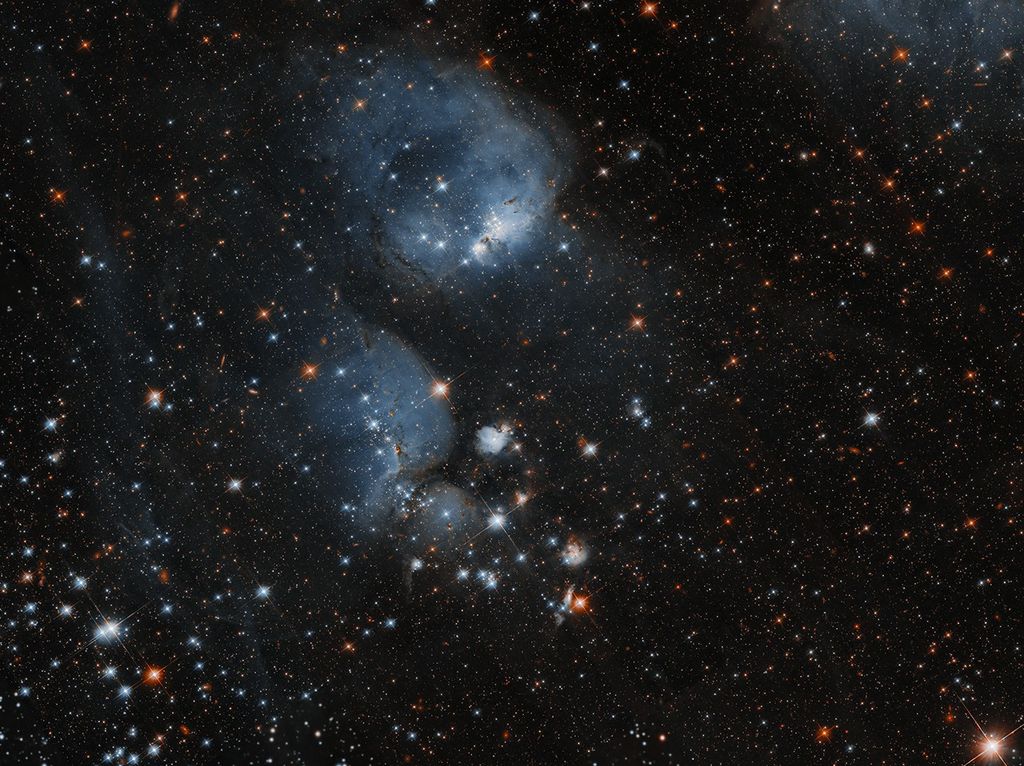
NGC 460
This cocoon of gas and dust is an open cluster of stars within a greater collection of nebulae and star clusters known as the N83-84-85 complex, located in the Small Magellanic Cloud.
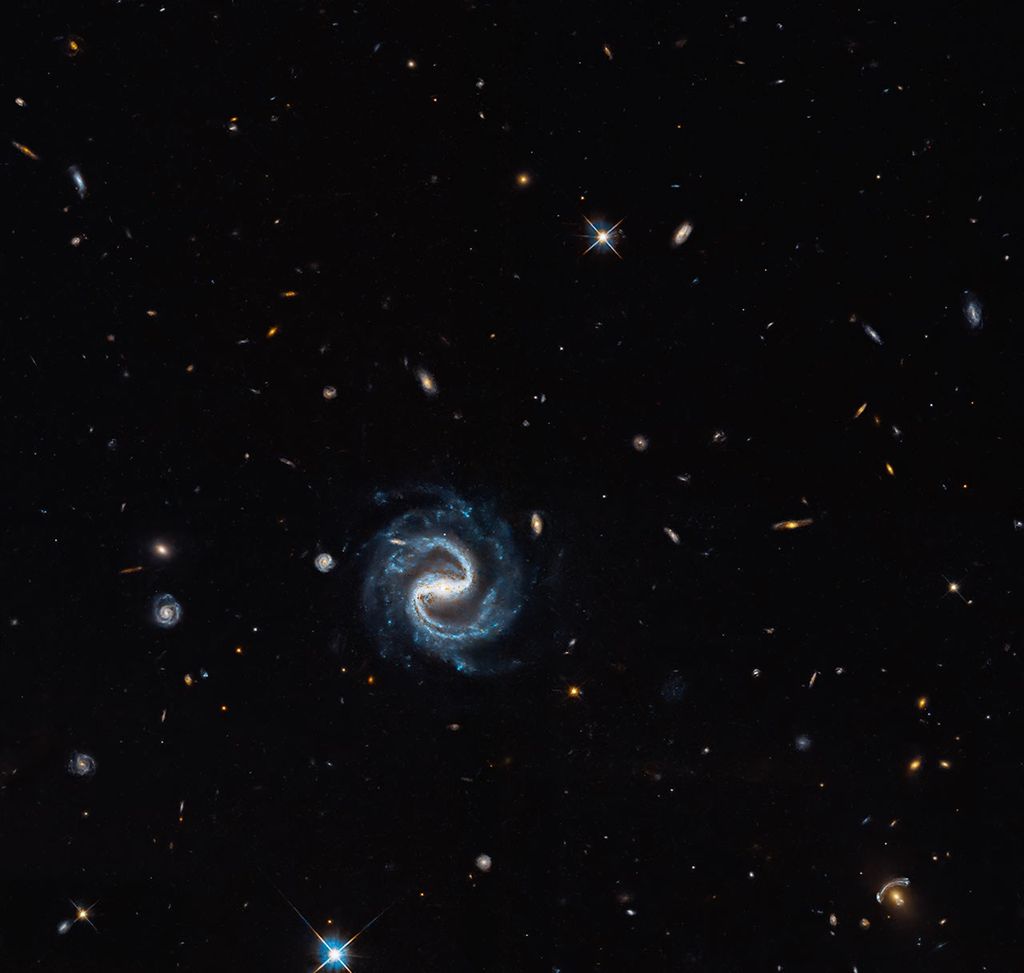
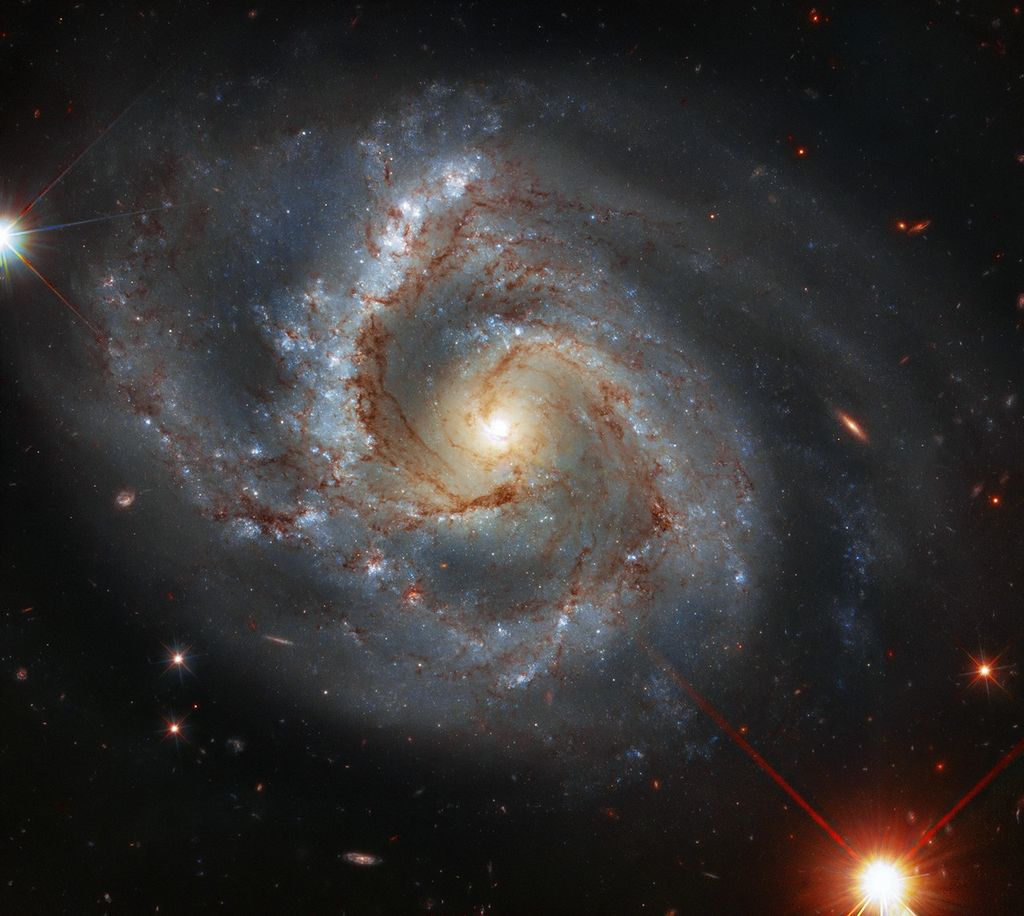
NGC 7678
This galaxy has one particularly prominent spiral arm. The galaxy is located approximately 164 million light-years away in the constellation of Pegasus (the Winged Horse).
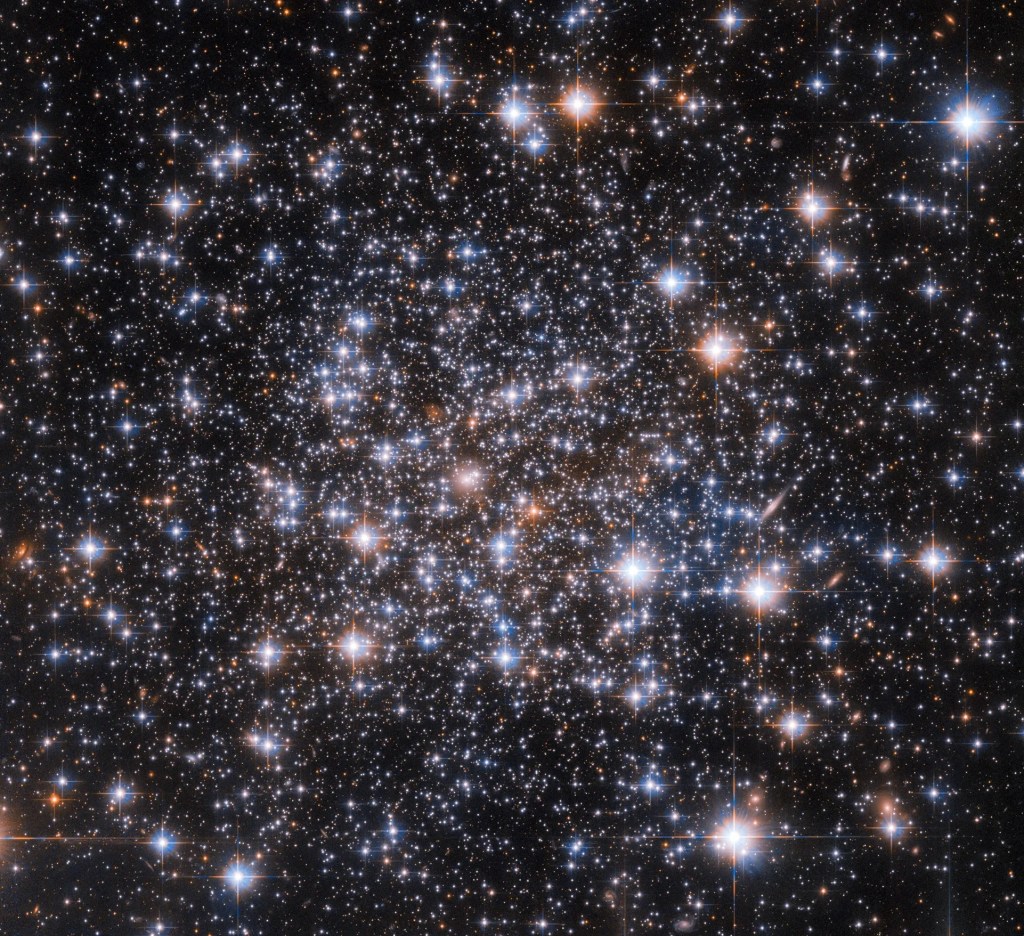
Ruprecht 106
Unlike most globular clusters, enigmatic Ruprecht 106 may be what astronomers call a single population globular cluster.
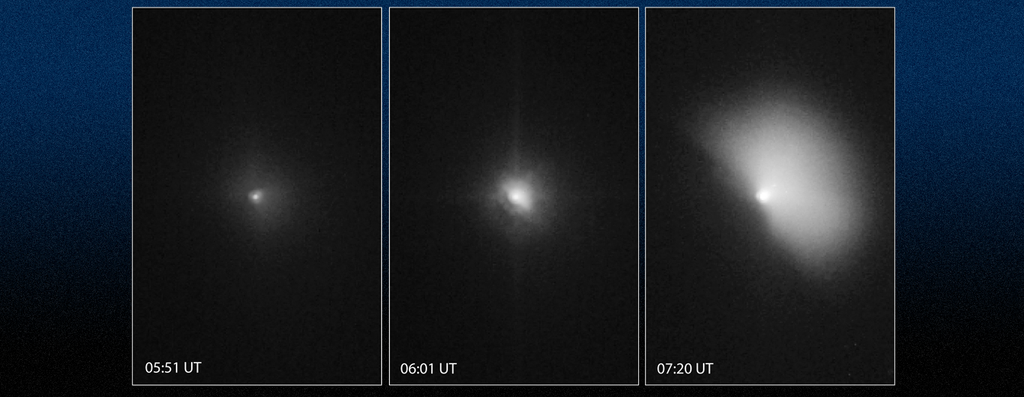
Comet 9P/Tempel 1
Hubble captured the dramatic effects of the collision between an 820-pound projectile released by the Deep Impact spacecraft and comet 9P/Tempel 1.
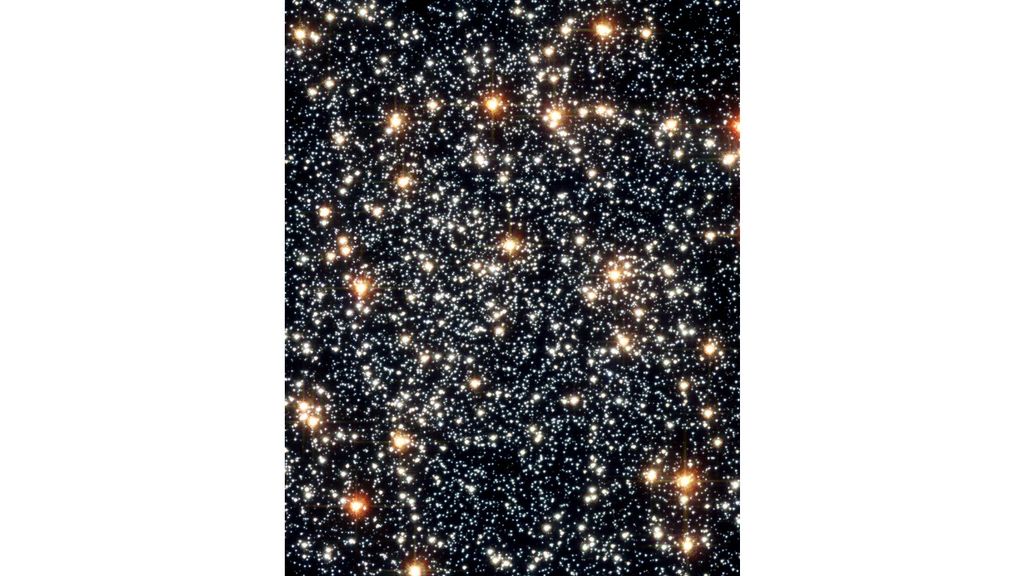
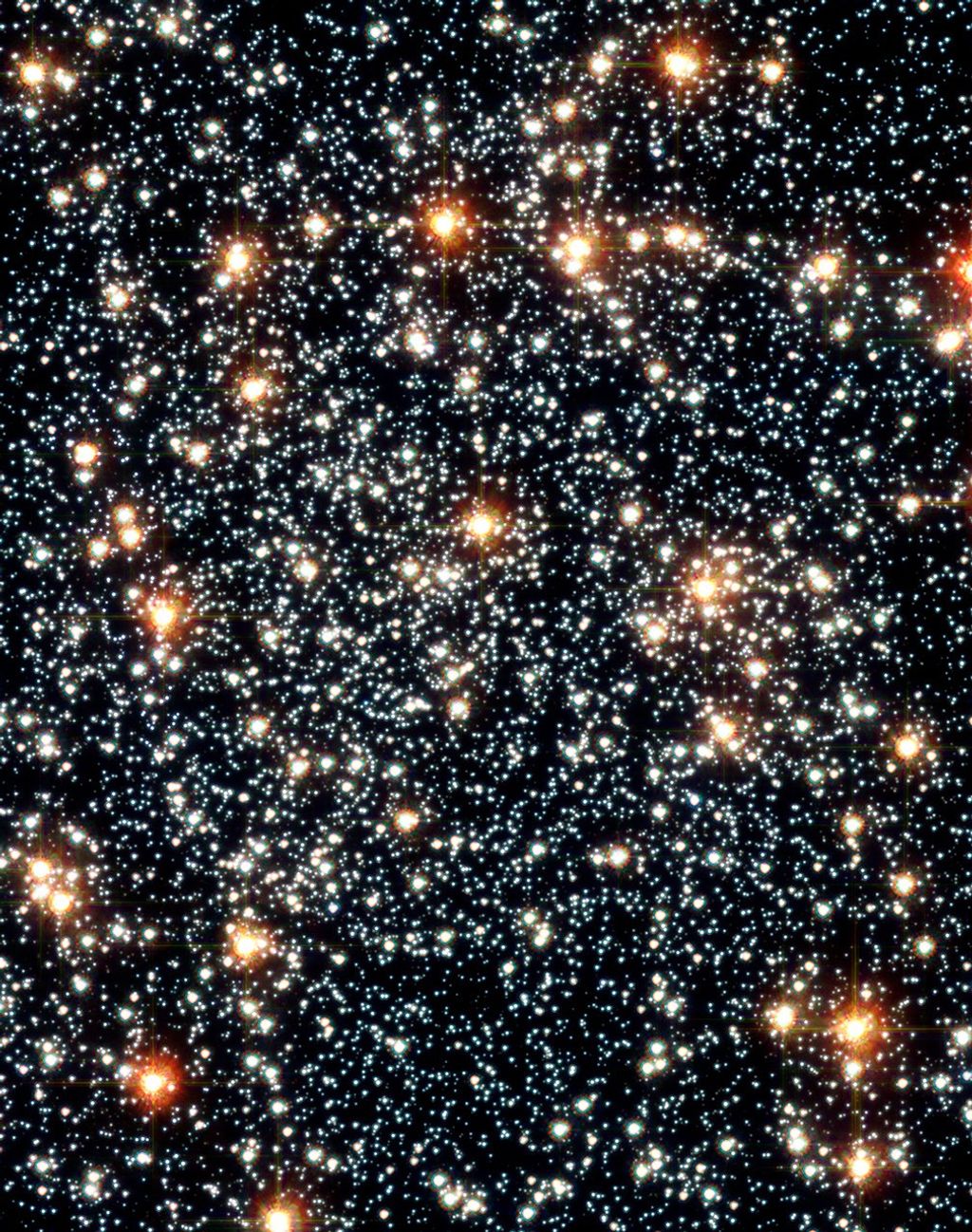
47 Tucanae
Multiple photos of this globular cluster's core allowed astronomers to track the "beehive swarm" motion of stars. Precise velocities were obtained for nearly 15,000 stars in this cluster.
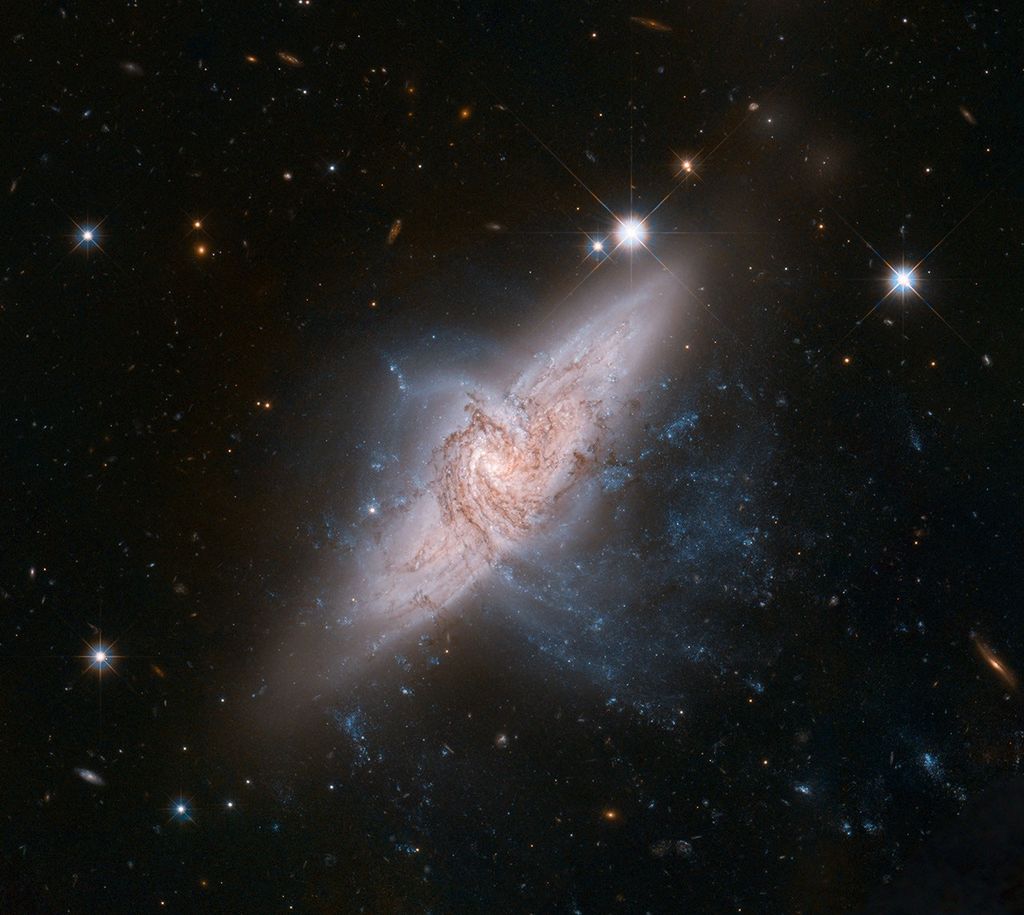
NGC 3314
Hubble revealed a rare view of a pair of overlapping galaxies, called NGC 3314. The two galaxies look as if they are colliding, but they are actually separated by tens of millions of light-years, or about ten times the distance between our Milky Way and the neighboring Andromeda galaxy.
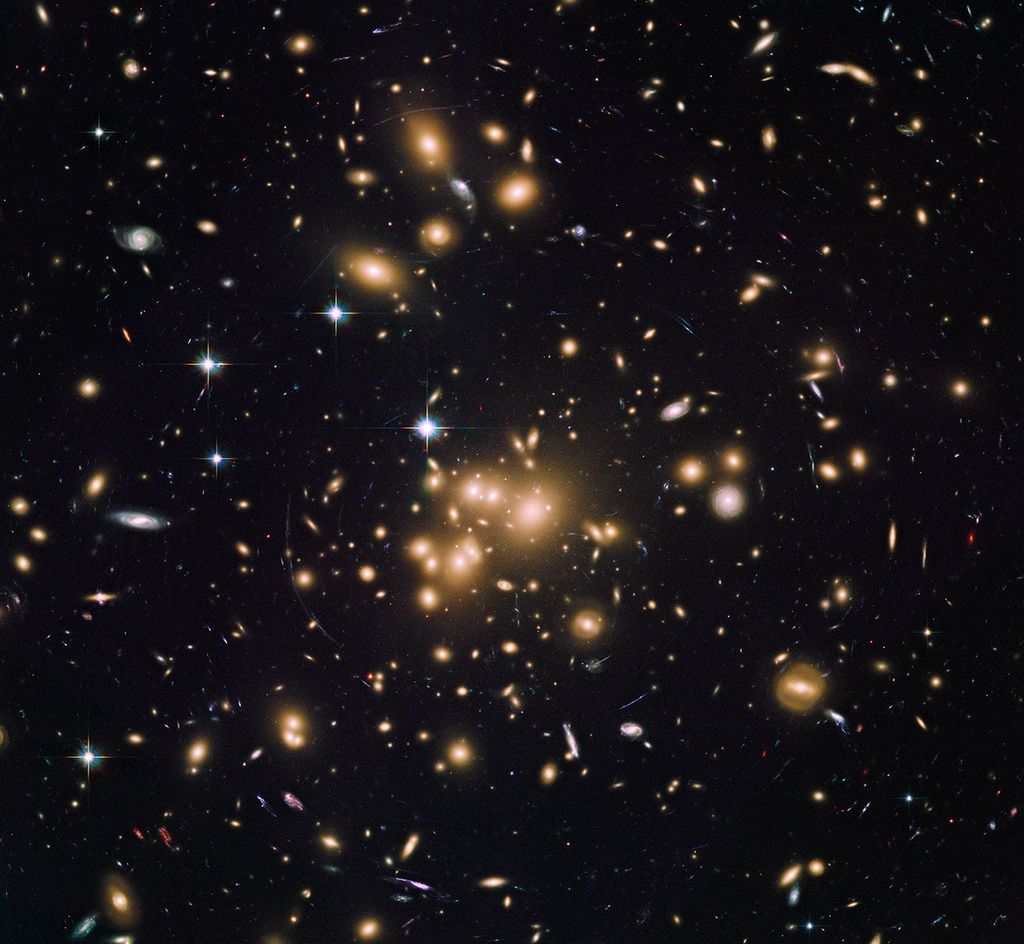
Abell 1689
Astronomers used Hubble's sharp eye and the magnification power of Abell 1689's gravitational lens to find 58 remote galaxies.
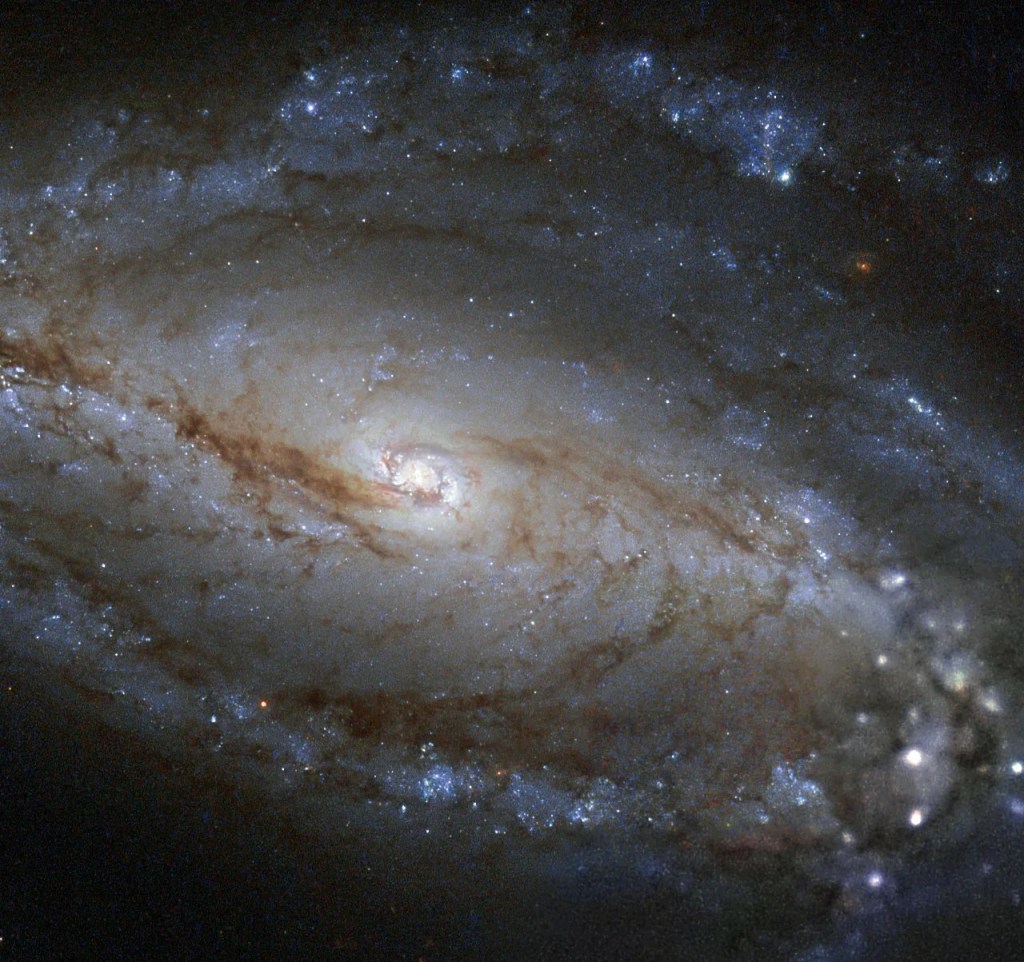
NGC 613
Studies have shown that bars in spiral galaxies, like the one we see in NGC 613, are more common in galaxies now than they were in the past, which gives us important clues about galaxy formation and evolution.
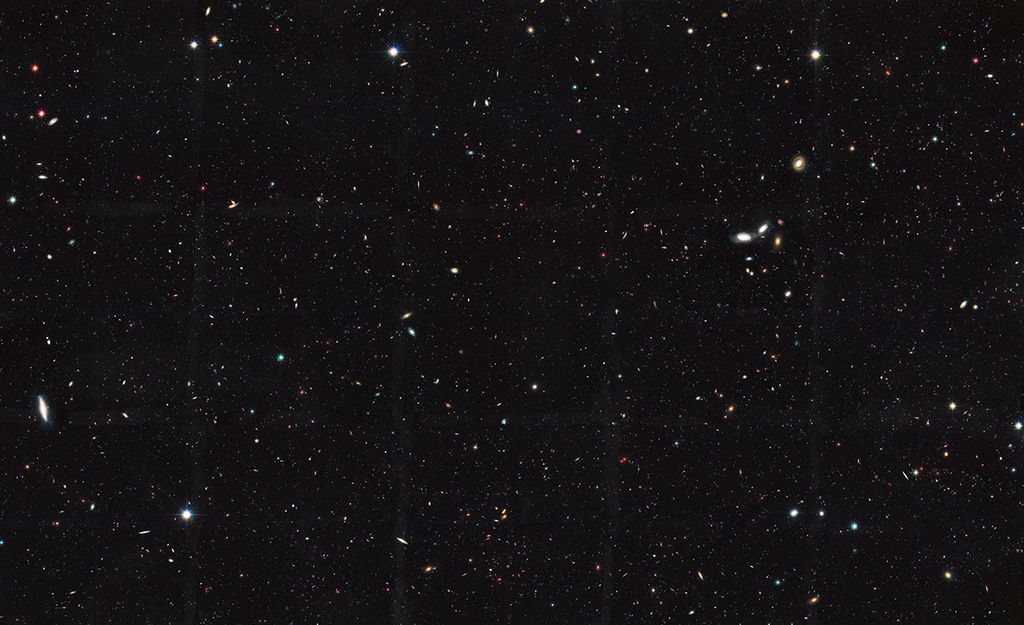
GOODS South Field
This Hubble view reveals thousands of galaxies stretching back into time across billions of light-years of space. The image covers a portion of a large galaxy census called the Great Observatories Origins Deep Survey (GOODS).
Messier 109
This barred spiral is the brightest member of the Ursa Major Galaxy Group of roughly 80 galaxies.
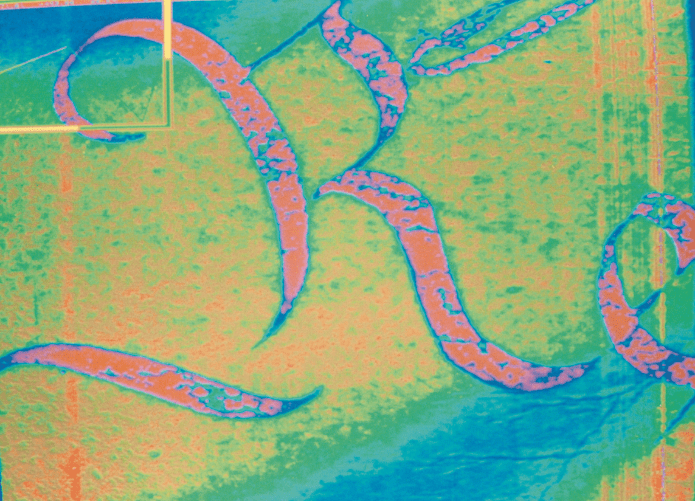
Hubble and the Declaration of Independence
Although the U.S. Constitution, the Declaration of Independence, and the Bill of Rights are protected in argon-filled glass casings, they can still suffer damage from light, vibration, and humidity, and their ink may fade, flake, or wear off.
The Charters of Freedom Monitoring System was designed to scan these documents using detector technology developed for Hubble. The system revealed degradation invisible to the human eye, allowing conservators to act early to halt the deterioration.
Learn More: Document Monitor about Hubble and the Declaration of Independence