






















Helio and You: August 2026
| Levels |
|
|---|---|
| Material Type |
|
| Heliophysics Big Ideas |
|
| NGSS |
|
| Heliophysics Topics |
|
| Heliophysics Missions |
|
| Related Missions |
|
| Material Cost per Learner | Free |
| Language | English |
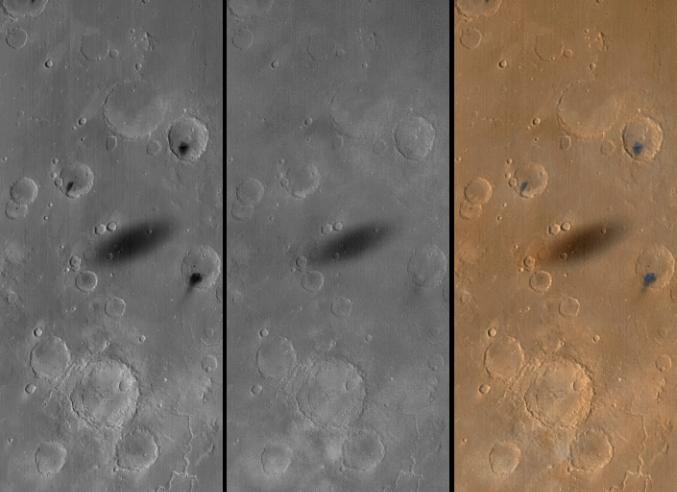
Every so often, people on Earth get the chance to experience a total solar eclipse. Recent examples include the eclipses that swept across North America in 2017 and 2024 and the one that visited Spain and other parts of Europe and Canada in August 2026. But Earth is not the only planet with eclipses. Any time a moon or planet goes between a star and an observer (called a transit), the object passing in front of the star eclipses part of that star’s light. Any planet with a moon large enough, round enough, and with the right distance to size ratio compared to the local star could have total solar eclipses like ours. So, what would the eclipses be like on these other planets In this in-depth article, you can find out all about eclipses on Earth and elsewhere.