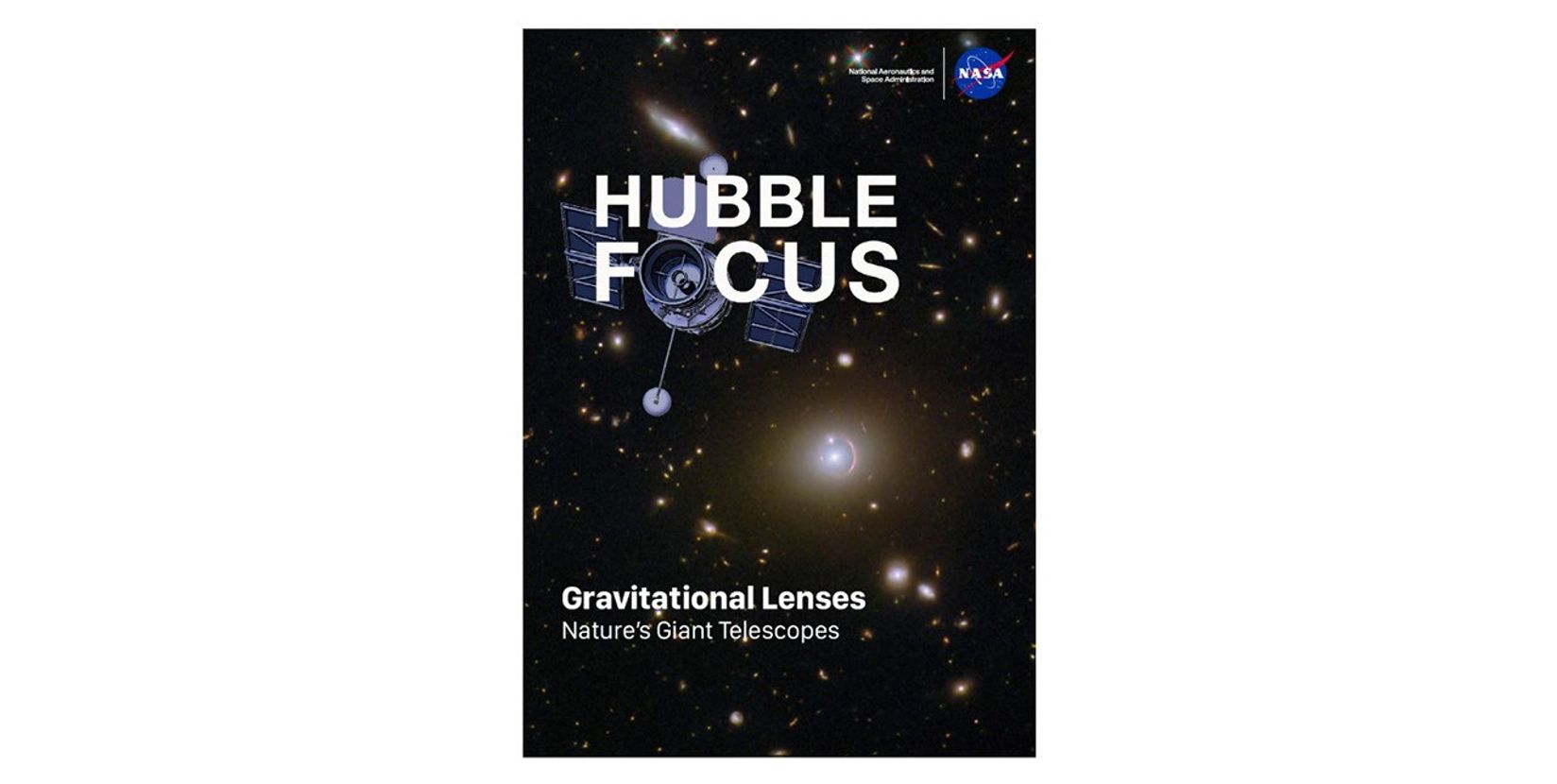





















Hubble Focus: Gravitational Lenses ― Nature’s Giant Telescopes
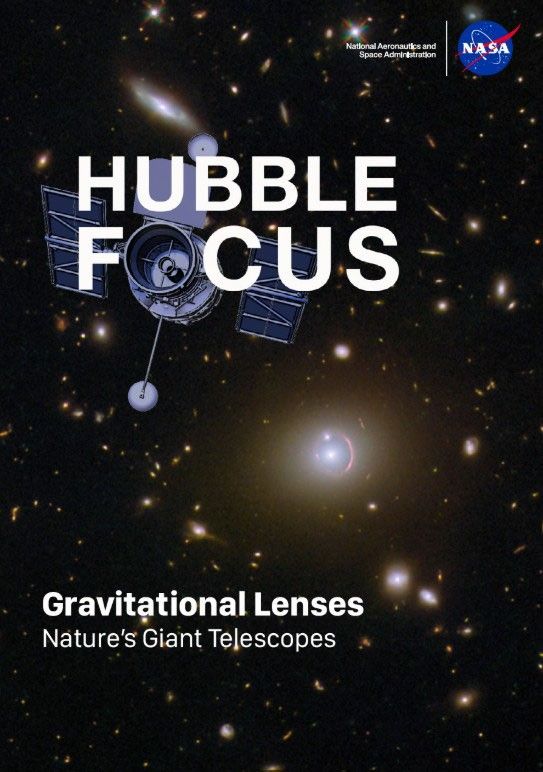
What if you could build a telescope as big as a galaxy, or even bigger? Luckily, we don’t have to imagine, because the universe has already done that for us. “Gravitational Lenses: Nature’s Giant Telescopes” explores some of Hubble’s discoveries involving the cosmic lensing effect created when light is bent, distorted and magnified by massive objects in space. This NASA Hubble Space Telescope downloadable e-book is the seventh edition of the Hubble Focus series.
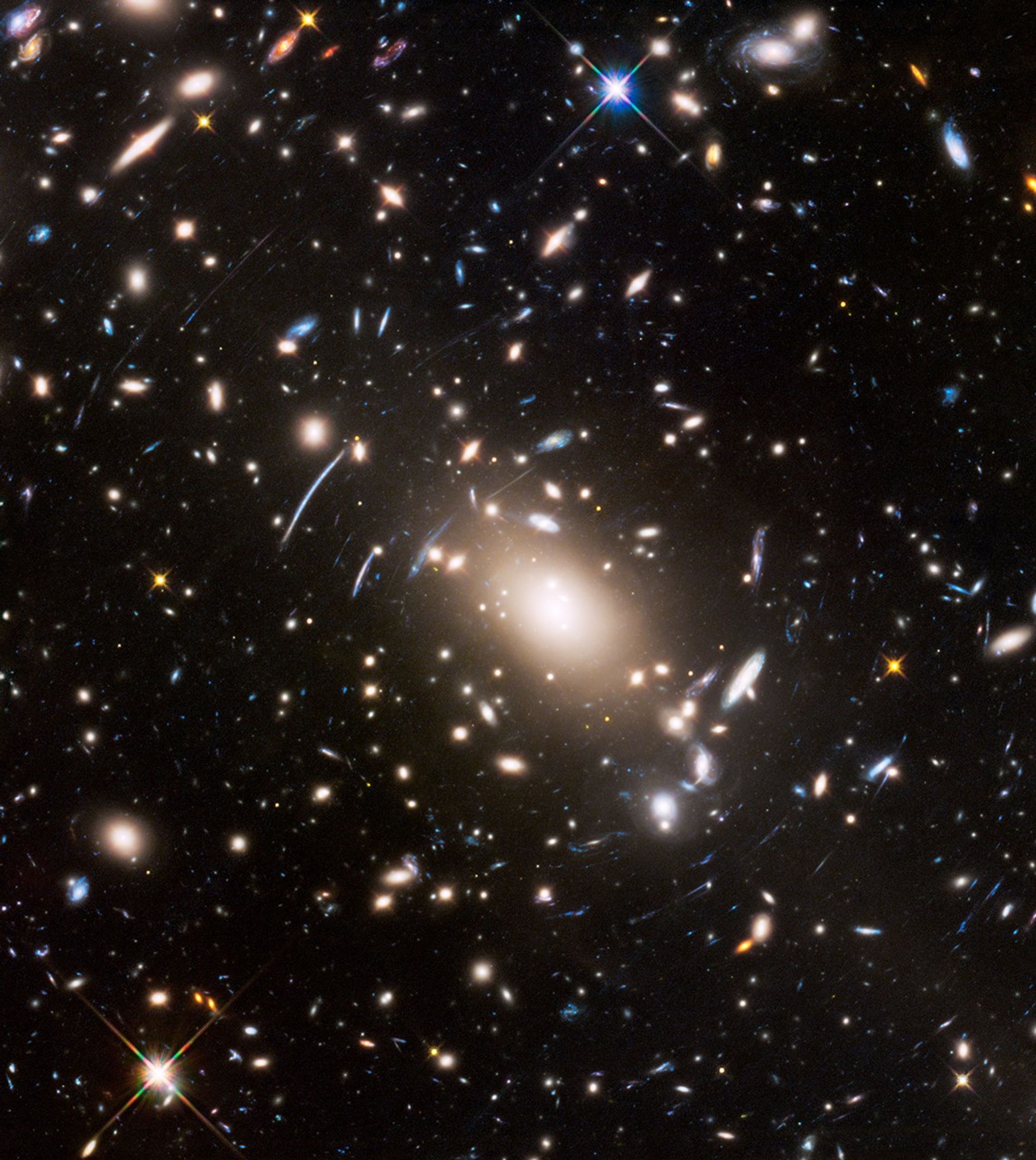
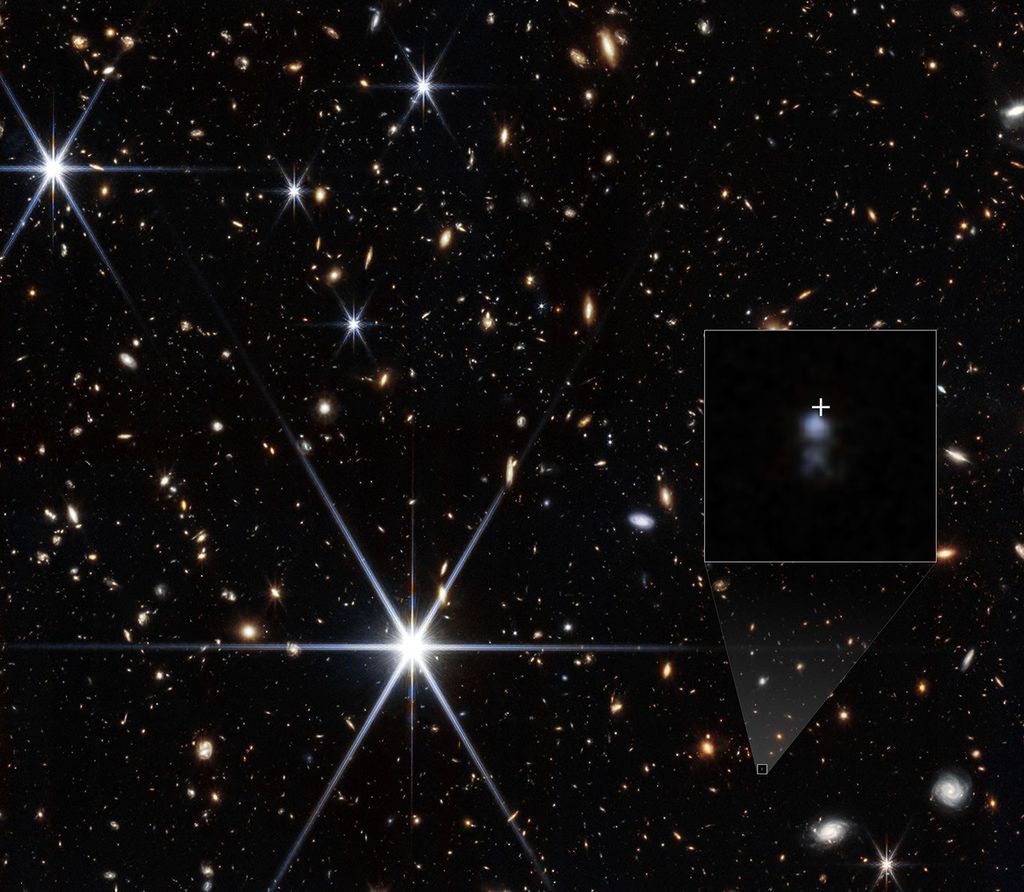
Hubble is a powerful telescope, but everyone can use a boost. Einstein theorized that space and time are warped and curved by immense mass, a theory verified by the way light behaves as it travels past massive objects like galaxy clusters. The light from distant background objects is bent, magnified and even replicated as it travels through the cluster. This enhancement allows Hubble to see objects that would be too far away for it to glimpse otherwise, even though their images are distorted by this natural lensing phenomenon.
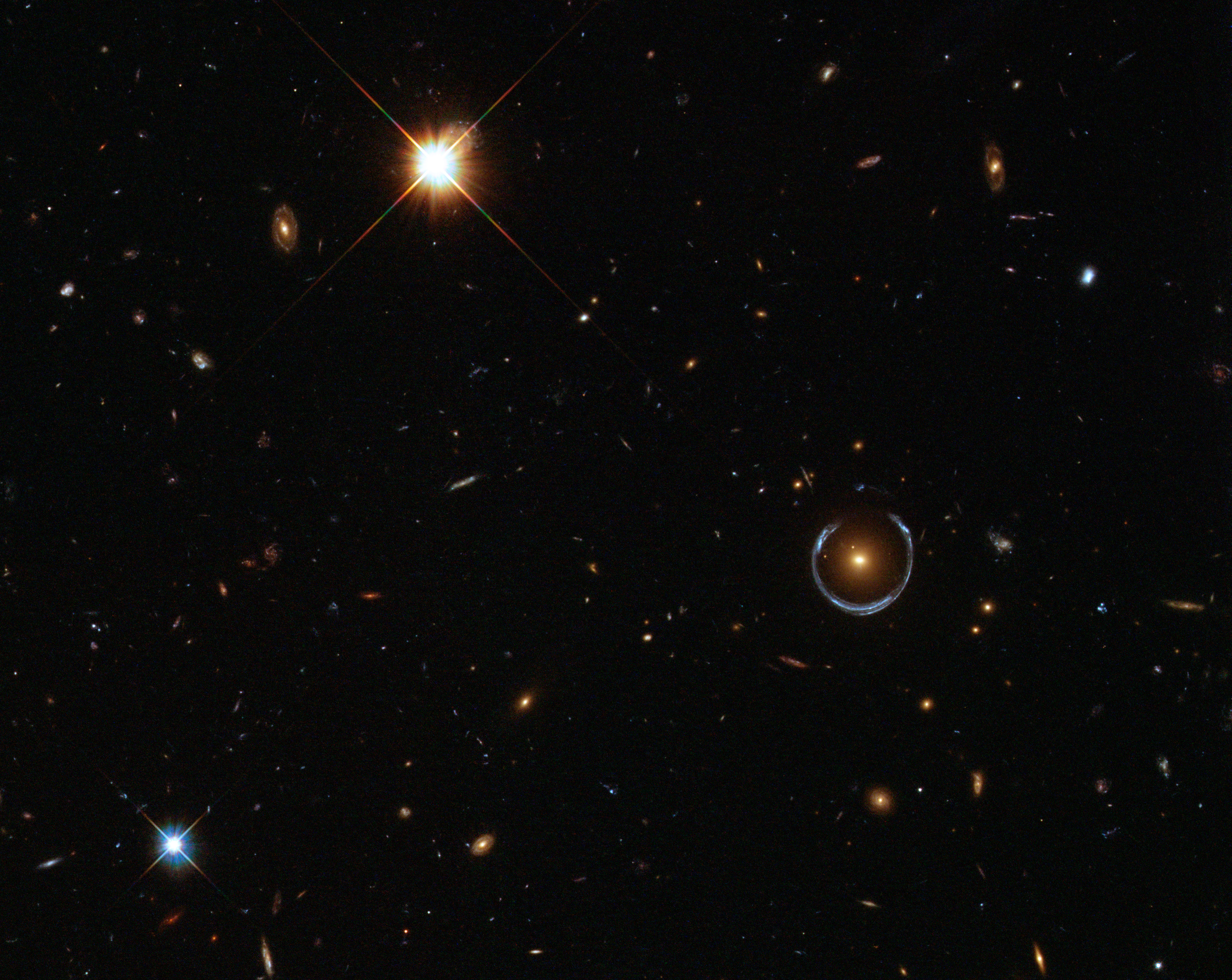
Hubble in particular, thanks to its sensitivity and resolution, has been able to observe lensed objects that would be undetectable to ground-based telescopes over the past three decades. Hubble has used gravitational lensing to measure dark matter in galaxy clusters and galaxies, observe otherwise invisible exoplanets, and view some of the earliest galaxies seen in the universe.
This e-book is compatible with most electronic devices. If you have problems with the EPUB version, we suggest trying the more widely accessible PDF version.