














1 min read
Star Orbiting Black Hole Animation
The precise data collected by NASA’s Hubble and James Webb space telescopes enabled a team of astronomers to chart the visible star’s orbital path over a 20 year-plus period. Researchers recorded this segment of the star’s orbit during its closest approach to its stellar-mass black hole companion, oMEGACat BH-2.
Based on the timespan covered by the Hubble-Webb dataset, the team calculated the remainder of the visible star’s orbital path and found that it orbits oMEGACat BH-2 once every 94 years. This makes it the longest-period black hole binary ever known and gives a clue to the pair’s origin. The duo probably formed dynamically, meaning the visible star and its stellar-mass black hole companion found each other in the crowded globular star cluster Omega Centauri.
- Release DateJuly 13, 2026
- Science ReleaseNASA’s Hubble Discovers First of Star Cluster’s Missing Black Holes
- CreditAnimation: NASA, ESA, Matthew Whitaker (U of Utah), Joseph Olmsted (STScI)
Related Images & Videos
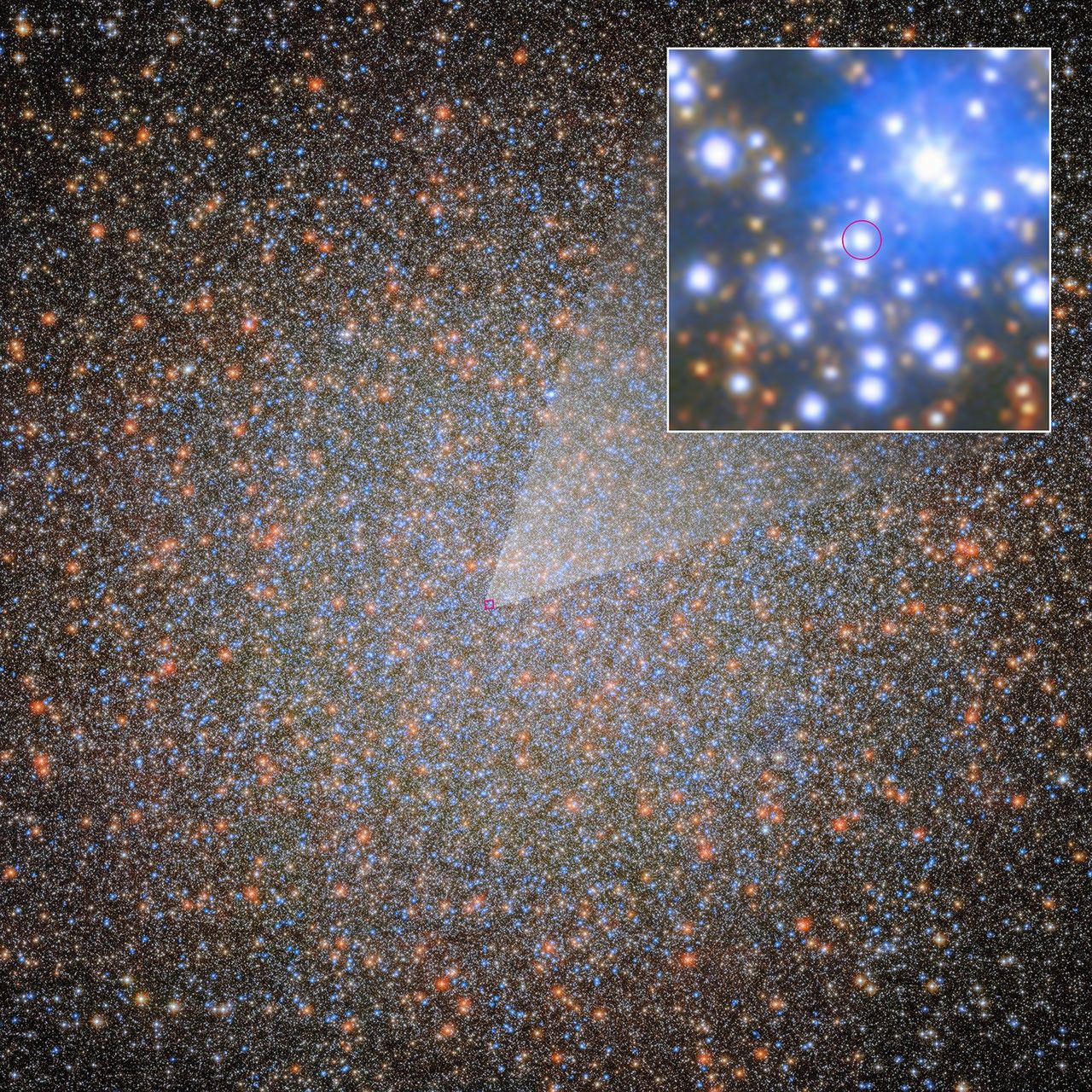
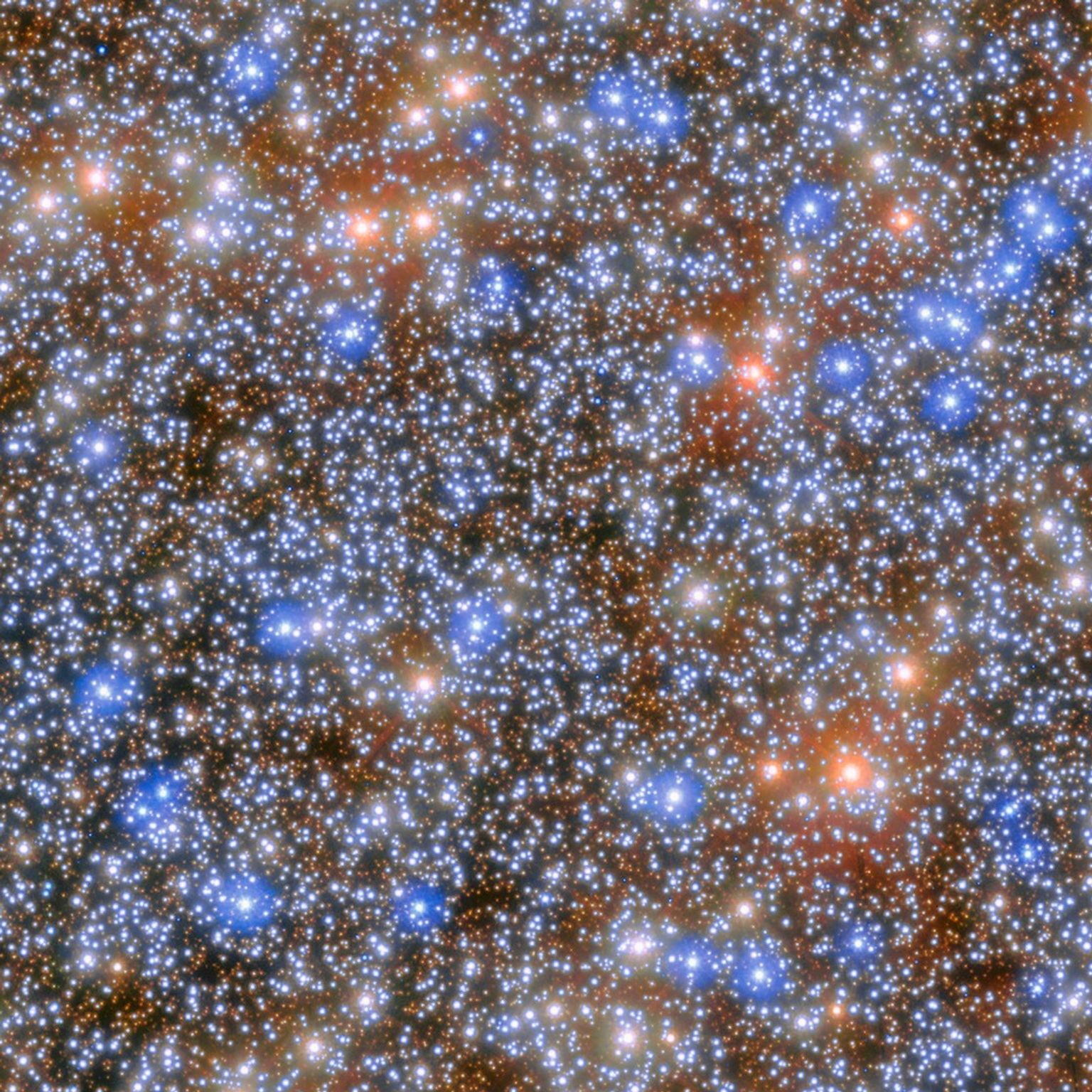
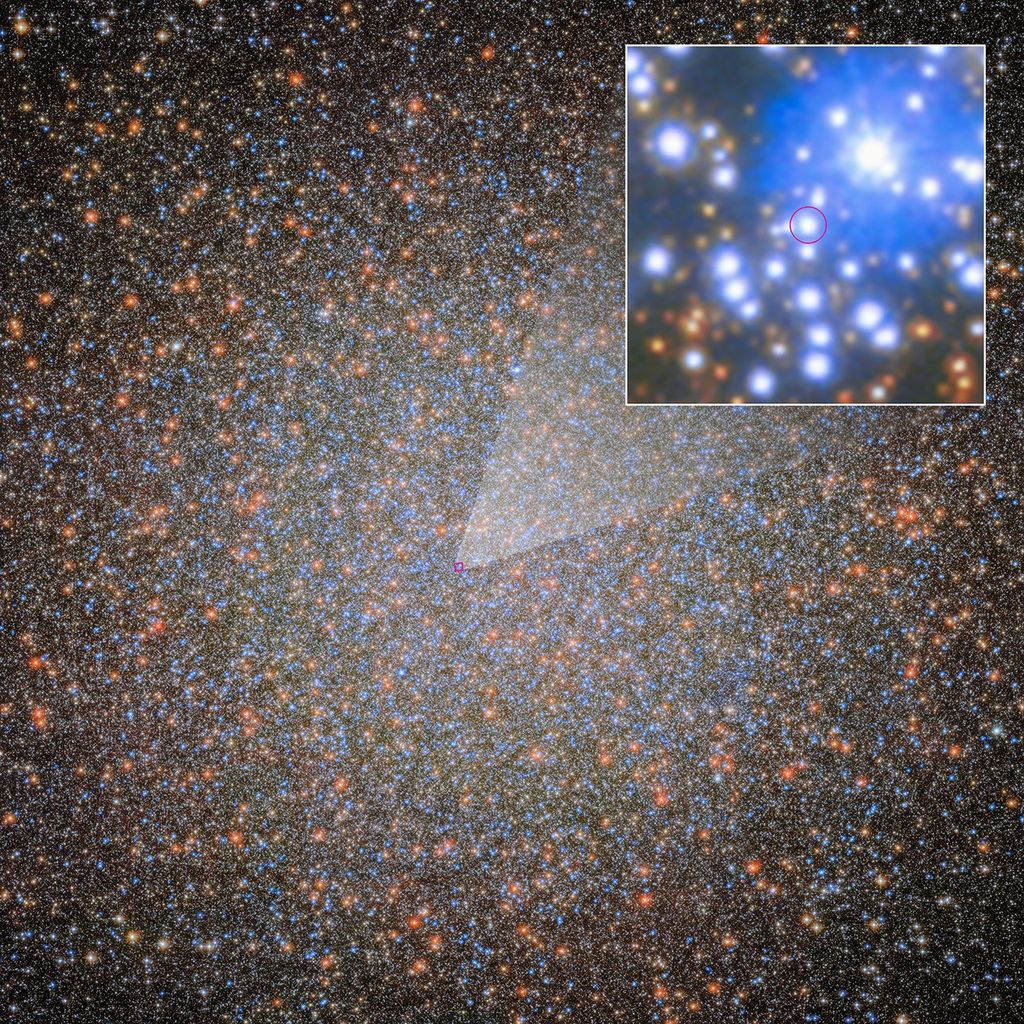
Omega Centauri Context Image
Astronomers found Omega Centauri’s first stellar-mass black hole, which has a visible star companion that is shown in greater detail. They used 20-plus years of data from NASA’s Hubble Space Telescope and recent data from NASA’s James Webb Space Telescope to make the discovery.
Share
Details
Claire Andreoli
NASA’s Goddard Space Flight Center
Greenbelt, Maryland
claire.andreoli@nasa.gov