












Friday April 27 the PALS instrument was packed up by Barron and Seth and shipped by truck to Grand Junction, Colorado to be installed on the Twin Otter aircraft assigned to the SMAPVEX12 campaign. This is the first leg of the PALS journey to Winnipeg, the site of the field campaign. Monday April 30 Seth […]
SMAP and SMAPVEX12
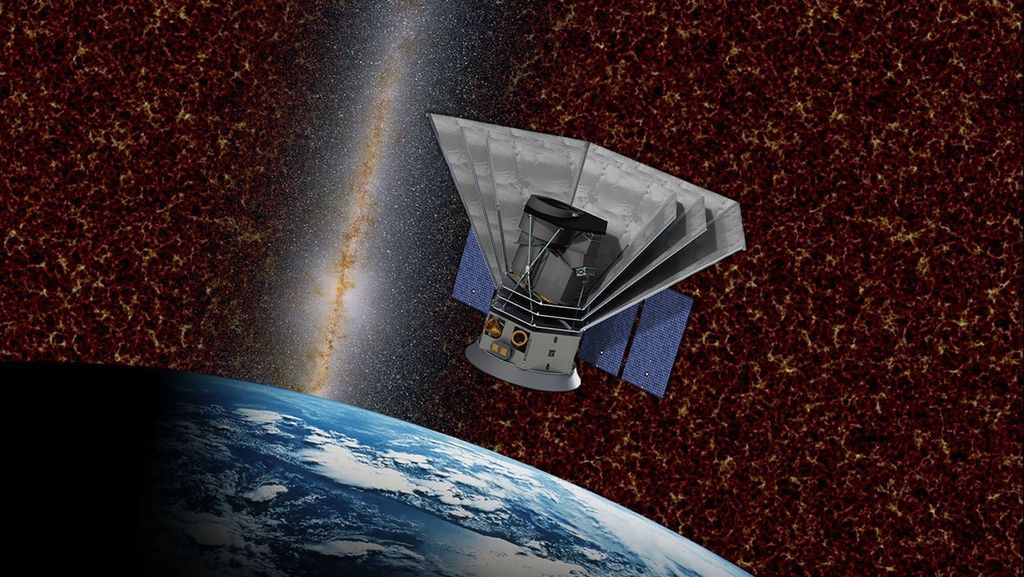
SMAPVEX12 stands for the 2012 Soil Moisture Active Passive (SMAP) Validation Experiment. The SMAP mission… SMAP is a NASA Earth science satellite mission that uses microwave radar and radiometer instruments to measure soil moisture from space. The radar and radiometer share a six-meter mesh reflector antenna that rotates at approximately 14 revolutions per minute. The […]
SMAPVEX12 Field Campaign-Winnipeg
During the next few weeks we’ll be writing a series of short articles or “blogs” bringing you news of the SMAPVEX12 field campaign taking place in Winnipeg, Canada this summer. Along the way we’ll be providing you with a view of what SMAPVEX12 is, when, where and why it’s happening, and we’ll introduce you to […]
Until Next Time
By Lora Koenig I am feeling a little sad as I write this post. I always do when writing the last post of a research season. Being able to share my science is one of my favorite parts of my job. I assume some of you looked at our blog’s photos and thought “they’re crazy,” […]
Antarctic Storms
By Randy Skinner The wind began to blow at approximately 1:00AM on December 20. In Antarctica the wind blows most of the time, as there is nothing to slow it down and air is continually shifting from location to location due to density. But this was different: The force of the wind was strong enough […]
Feathered Christmas Visitors
By Ludovic Brucker The only wildlife we saw during our three-week traverse was three snow petrels and one Antarctic petrel. I still haven’t decided if they were sort of a Christmas gift, or the announcement of a storm! The birds visited us when we were at camp 5,430 km (265 mi) inland. I was surprised […]
Picking Up the Snow Cores from the Field
By Ludovic Brucker Once the traverse was over and we had drilled nine snow cores (with a combined length of 156 meters, or 512 ft), the next step was flying to each of our drilling sites and bringing the cores to the West Antarctic Ice Sheet (WAIS) station to store them before they are shipped […]
Doing Science in a Snowpit
By Ludovic Brucker The main objective of deep field traverses like ours is to make in-situ measurements and collect samples, which obviously cannot be done from air or space. So, during the 2010-11 and 2011-12 SEAT field seasons, we have been taking in-situ snow and radar measurements. We typically had two different types of days […]
Camp Life
By Michelle Koutnik Each of our six different camping sites consisted of one cook tent, four sleeping tents, and a bathroom area (more on that later). The cook tent was a “Scott” tent, which is an enduring style and named for the polar explorer Robert Scott. It was a tight space for five people but […]