















Stellar Explosions
Stellar outbursts are a critical part of the universe's ecosystem.
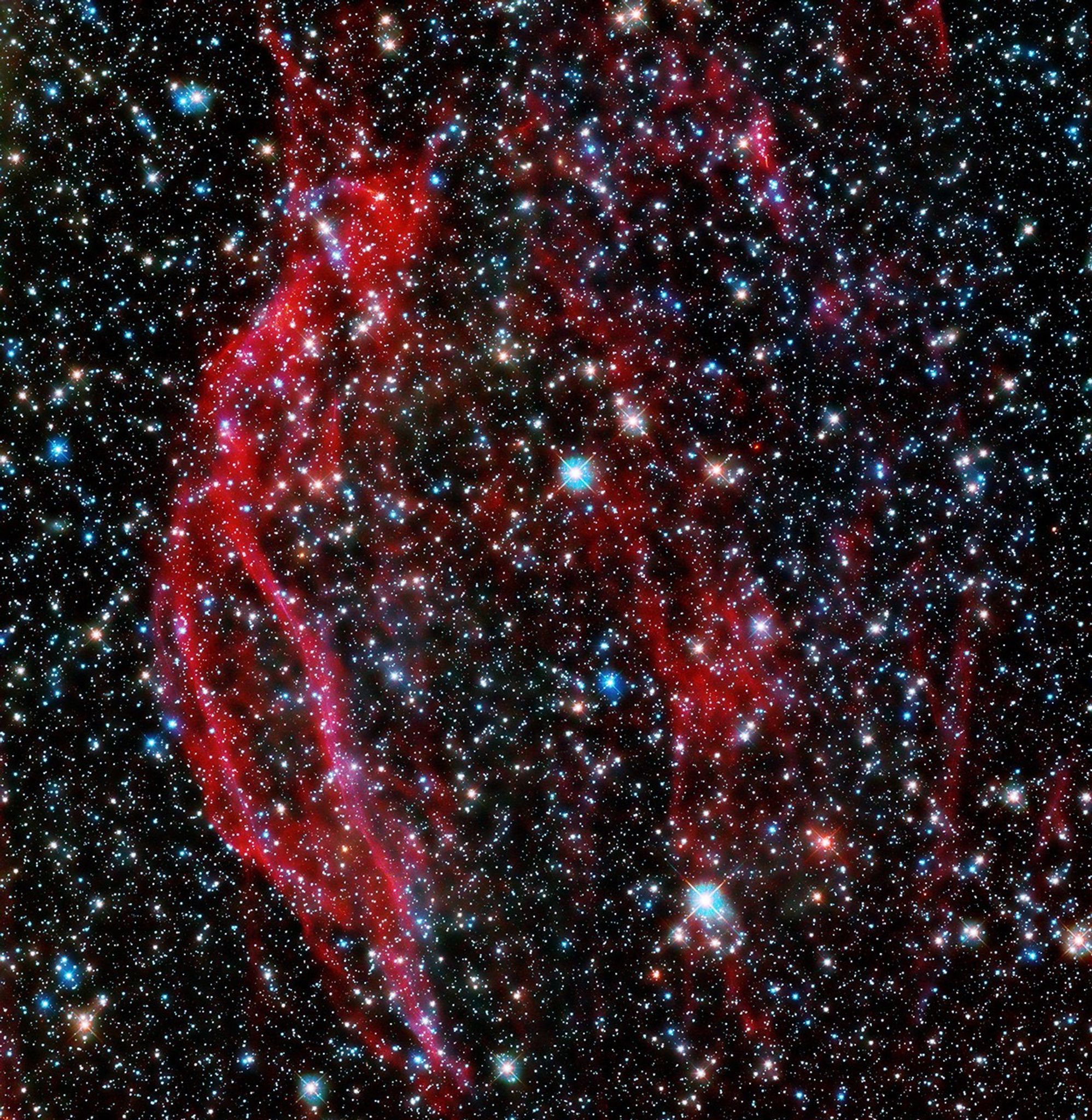
In 185 A.D., Chinese astronomers noted a “guest star” that appeared in the sky and remained there for eight months. The strange star was perhaps the earliest recorded supernova observation, but humans have been witnessing stellar explosions for as long as they’ve looked to the skies.
Long ago, the sudden, temporary brightening of a point of light in the sky made people think that they were seeing new stars. Today we still call these events “novae,” from the Latin word meaning new ― though we know now that what we’re actually seeing is a flood of light unleashed by a star’s outburst. While stellar explosions are most closely associated with star death, they can occur during a star’s lifetime as well. Hubble observations have played a key role in identifying and characterizing these explosive events.
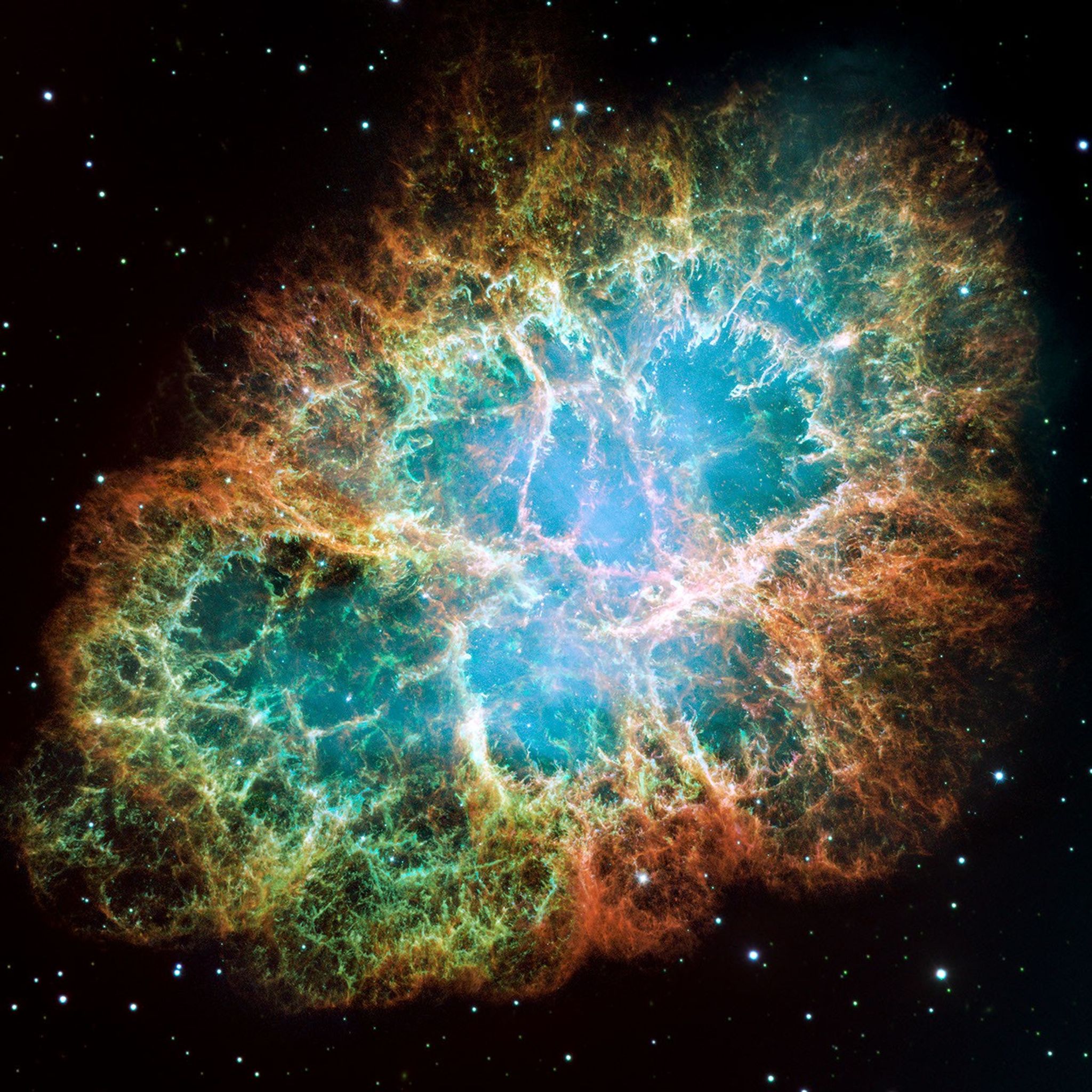
Novae
A nova is a relatively mild stellar explosion in which the surface of a white dwarf star ― the dead remnant of a low-mass star like the Sun ― explodes and throws off moderate amounts of material without destroying the remnant itself. Novae occur in binary star systems, where the relatively dense and massive white dwarf gravitationally pulls hydrogen gas from the outer atmosphere of a large companion star. This material orbits in a disk around the white dwarf and accretes onto its surface in a thin layer.
When the dwarf collects a mile-deep (1.6 km) surface layer of hydrogen, heating from the dwarf ignites fusion ― the process of fusing atoms together ― in that layer, igniting a runaway explosion that releases energy as radiation that we can detect on Earth. Novae typically appear about 200,000 times brighter than the Sun, but can be up to two million times brighter.
Because material is continually siphoned from the companion star to the white dwarf, surface explosions can happen repeatedly. Classical novae occur infrequently, taking thousands or even millions of years for enough material to accumulate. Recurrent novae, on the other hand, erupt on a timescale of decades to centuries.
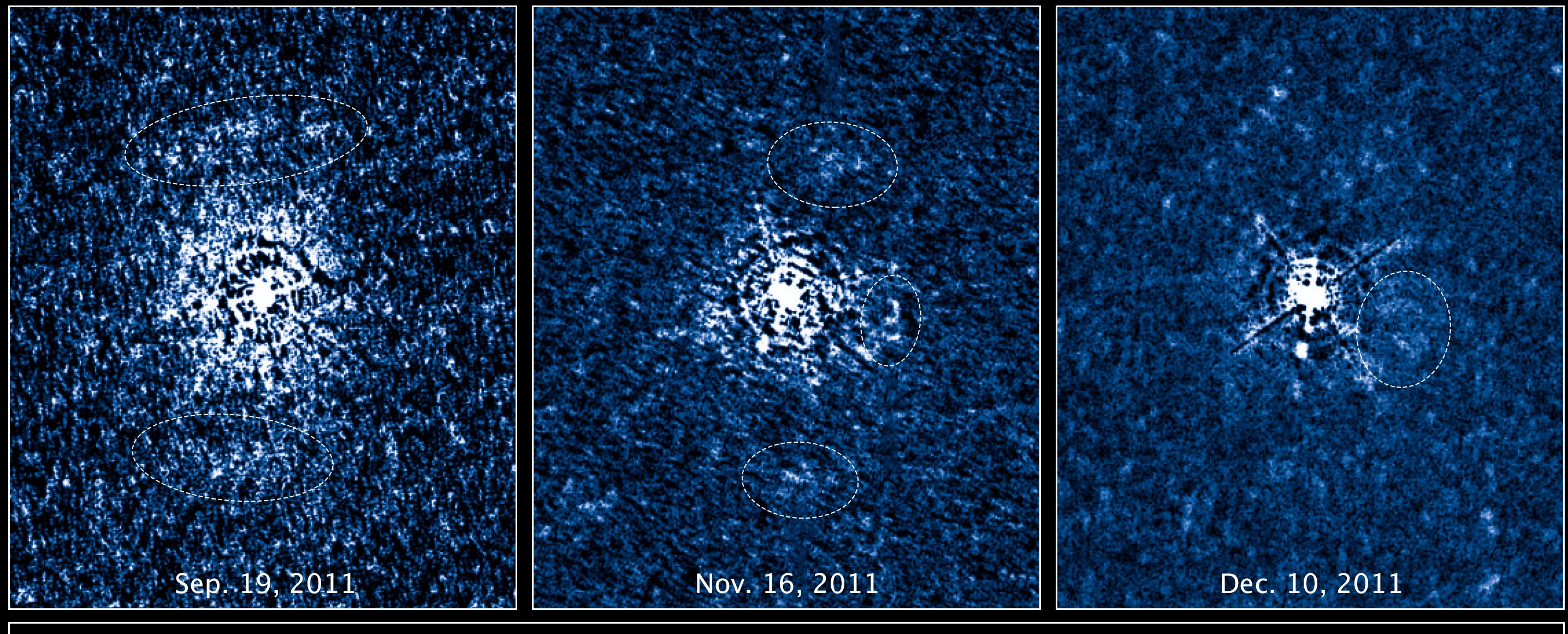
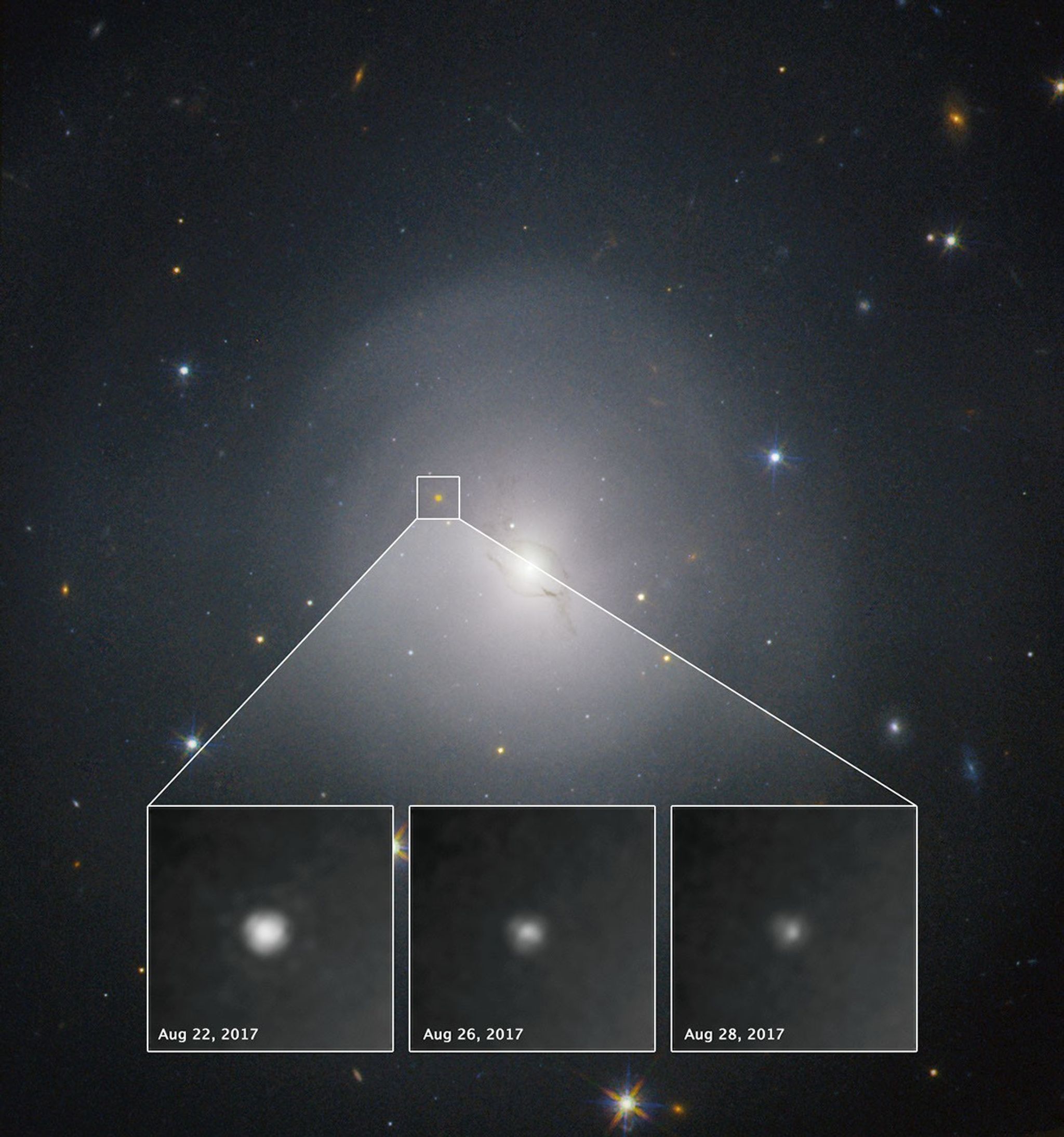
Kilonovae
Roughly a thousand times brighter than novae, kilonovae are stellar explosions that occur when two neutron stars or one neutron star and one black hole merge. Hubble provided the first definitive evidence of a kilonova in 2013 and direct observations of one in 2017.
Kilonovae take place in compact binary systems or when two independent objects happen to come close enough to get caught in each other’s orbit. As the two objects orbit each other, they emit gravitational waves, or ripples in space-time, that cause the objects to lose angular momentum. Their orbit shrinks and the objects get closer together until they eventually merge.
Credit: NASA's Goddard Space Flight Center/CI Lab; Music: “Exploding Skies” from Killer Tracks
When the two objects grow near, the gravitational force that one object exerts can be large enough to overcome the gravity holding the other object together, unbinding some of the material.
The collision itself is violent enough that it ejects some material outward at roughly one-tenth the speed of light, turning the particles into cosmic rays. The hot, dense, and neutron-rich material destabilizes and undergoes fusion. The presence of so many neutrons (from the neutron star) allows atoms to fuse to the heaviest elements like gold and platinum.
Supernovae
A supernova is an end-of-life explosion of a star, billions of times as bright as the Sun. It’s a one-time event that destroys the star. Large amounts of material form new elements as they undergo fusion and are flung into space, where they are recycled as the building blocks of new stars. Supernovae are quite rare. In a galaxy like our Milky Way, only a few may occur every century. There are two types of supernovae: Type 1a and core-collapse.
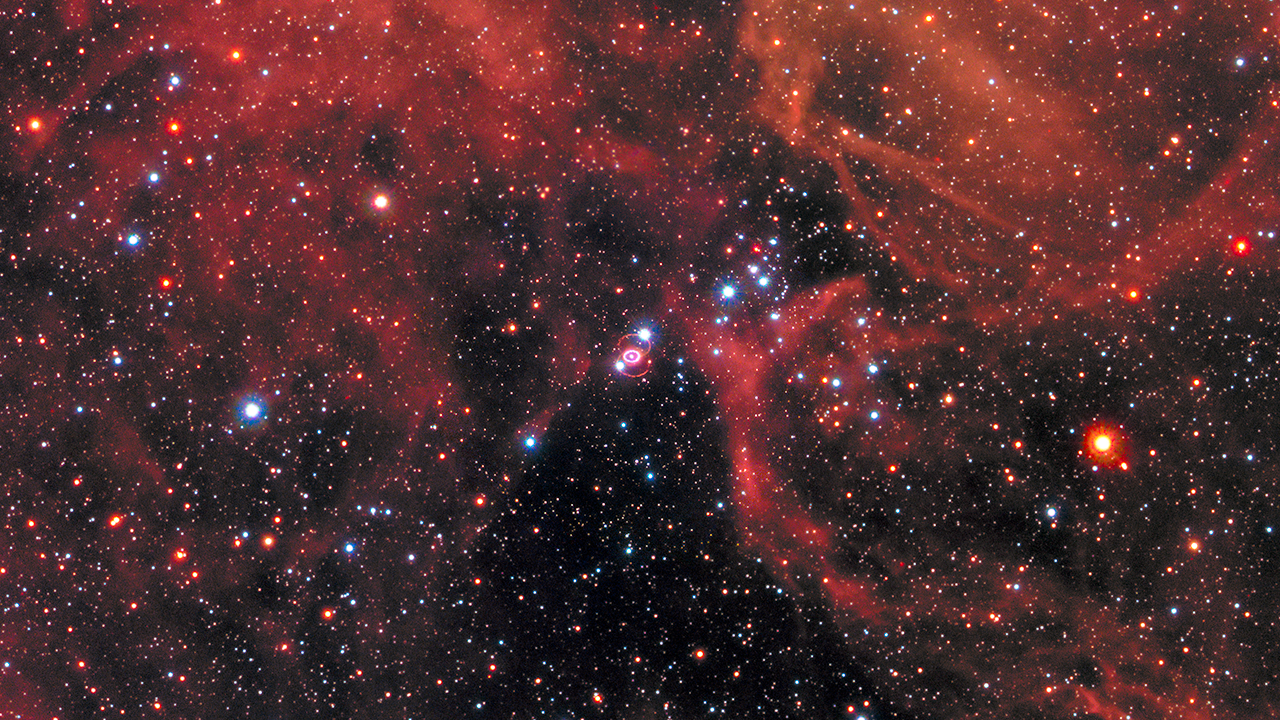
Type Ia Supernovae
Astronomers think a Type Ia supernova, also known as a thermonuclear supernova, occurs in binary systems where at least one white dwarf ― the dense core of what was once a Sun-like star ― is paired with a companion star. As with a nova, the white dwarf siphons material gravitationally from its companion star. As the white dwarf collects mass, its temperature rises. But in these cases, the white dwarf accumulates too much mass ― more than 1.4 times the mass of the Sun (a value called the Chandrashekar limit). When it passes the limit, its temperature becomes intense enough to fuse heavier elements and the white dwarf reignites, exploding spectacularly. The same type of supernova can occur in systems that contain two white dwarf stars that are drawn into a collision by gravity.
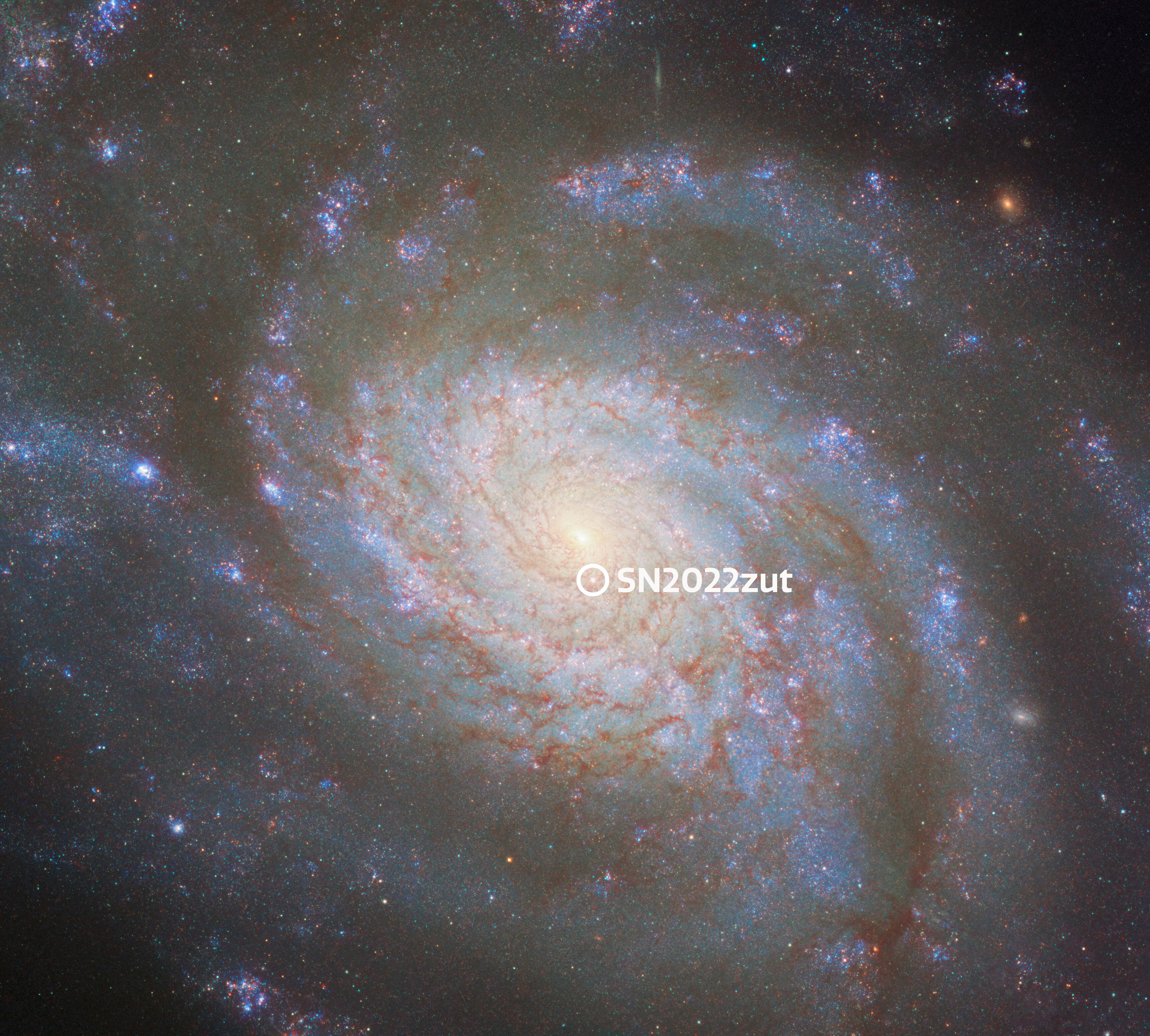
These rare supernovae happen in the Milky Way galaxy every roughly 500 years.
Since Type Ia supernovae release the same amount of energy every time, astronomers use them as “standard candles” to determine distance. By comparing how bright Type 1a supernovae appear to how bright they actually are ― similar to judging the distance to oncoming headlights by their brightness ― researchers can determine the distances to faraway galaxies where these supernovae appear.
Core-collapse Supernovae
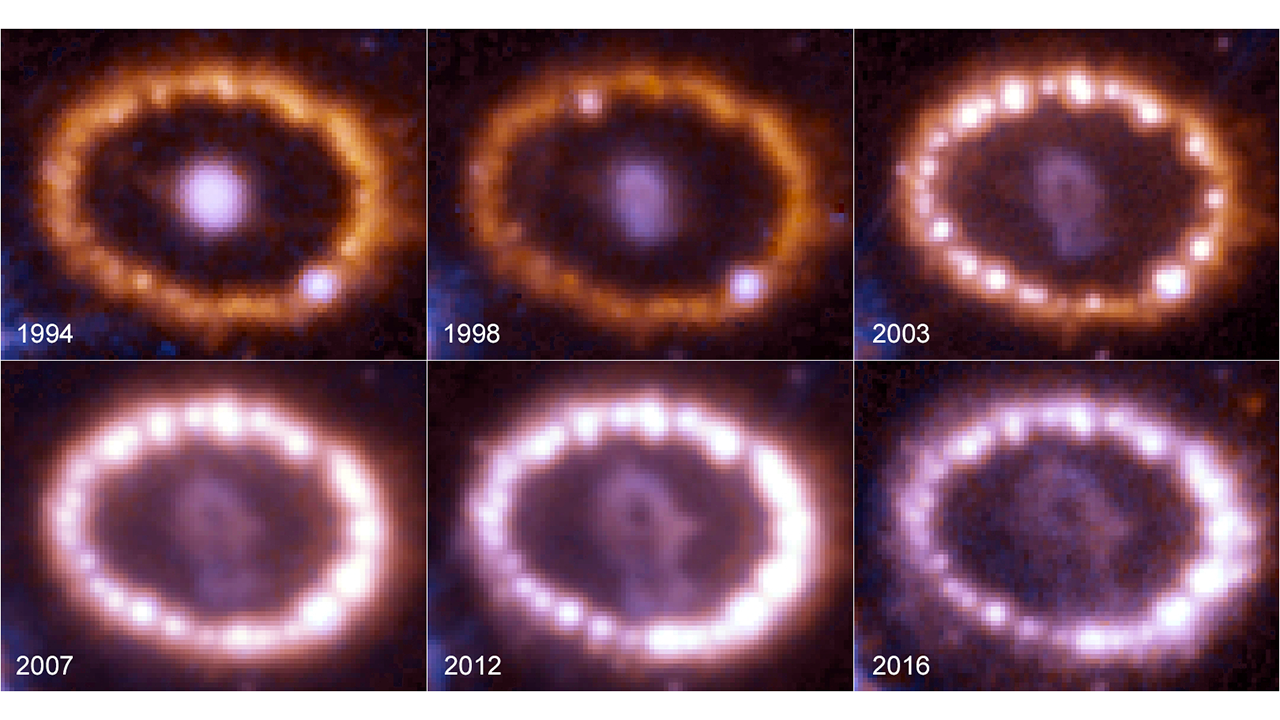
A core-collapse supernova occurs at the death of a high-mass star, driven by the star’s collapsing core. When a star runs out of fuel in its core, the fusion that generates an outward pressure stops. If the star is more than eight times the mass of the Sun, the force of gravity overpowers the star’s radiation pressure and collapses the core inward. These supernovae are known as types Ib, Ic, or II, depending on which elements are present.
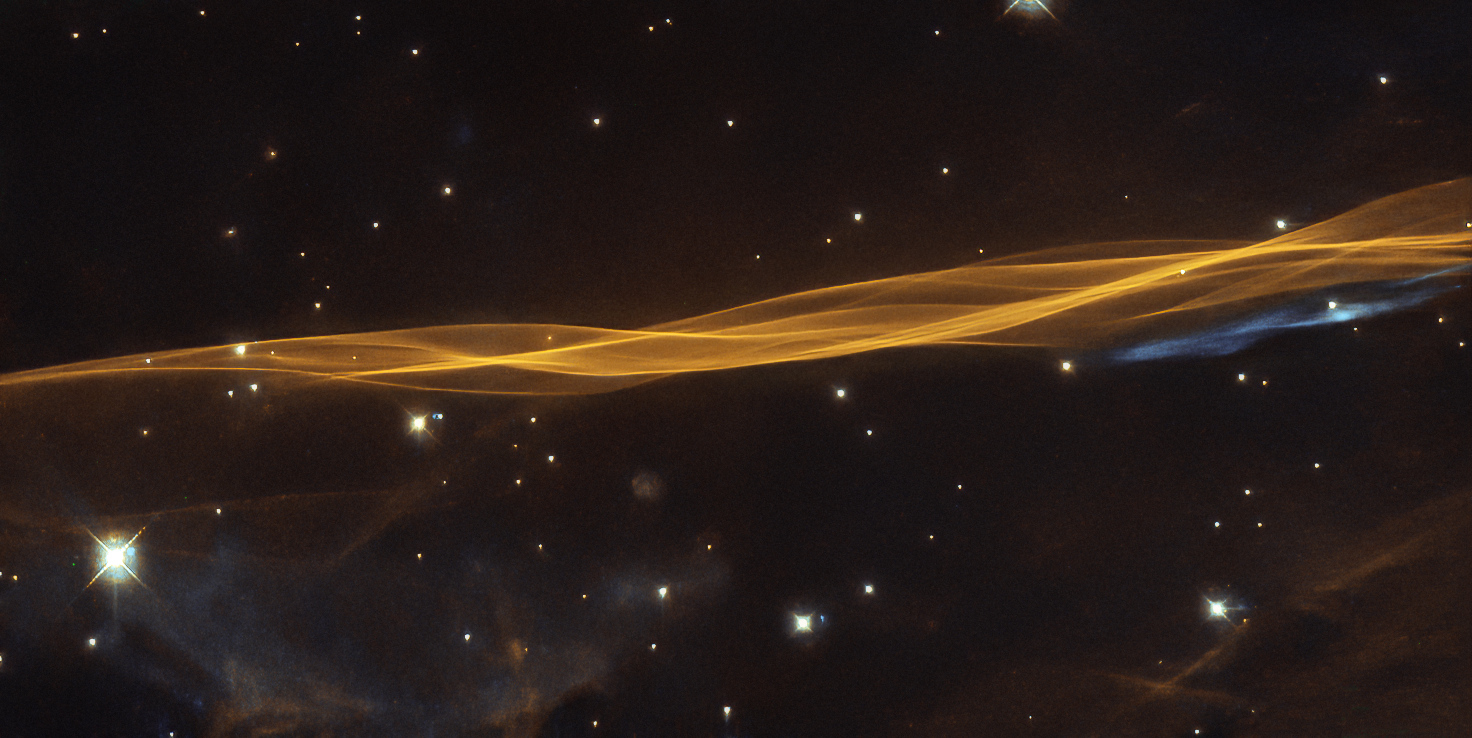
As atoms in the star’s collapsing core get crushed together, the temperature rises. The compressed core recoils, bouncing back outward. The energy of the recoil hits the outer layers of the star very quickly, driving a shockwave that heats the material, fuses the outer layers to produce new elements, and violently ejects the material into the cosmos.
The core can stabilize as a neutron star — so called because the high pressure forces protons and electrons to fuse into neutrons — or it can further collapse into a black hole if the remaining mass is more than three times that of the Sun.
Stellar explosions are dramatic, observable demonstrations of the volatile life of a star ― brief, bright glimpses into the immense forces roiling in a star’s depths. By witnessing and monitoring these outbursts, astronomers are able to better understand how stars form, evolve, and eventually die ― and how by blasting their contents into space, stars seed the cosmos with material that gives rise to new stars.