












Shine Bright for Voyager’s Light‑Day
On Tuesday, Nov. 17, celebrate a once-in-human-history moment by creating a wave of golden light.
-
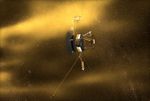
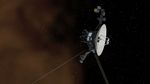
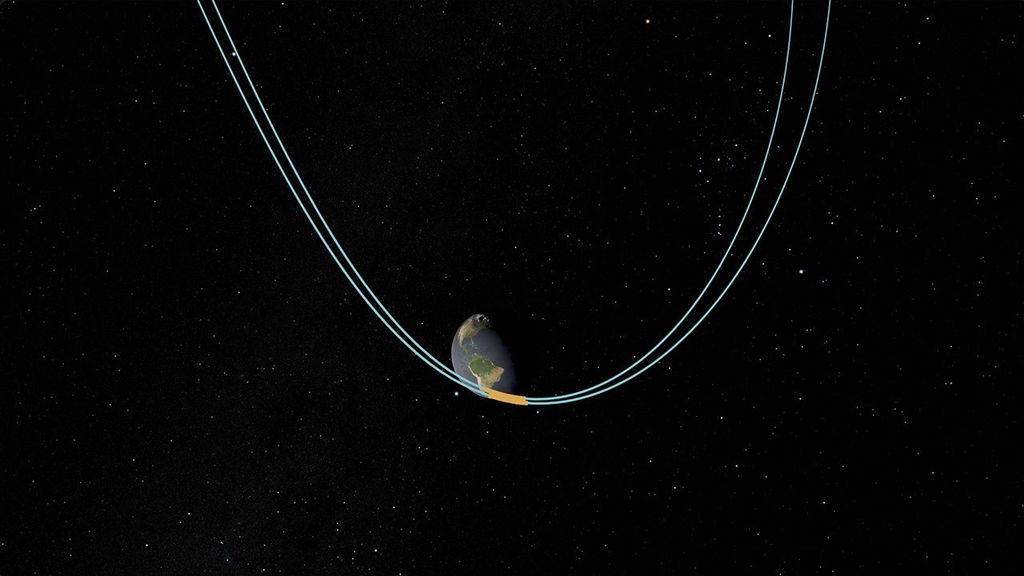
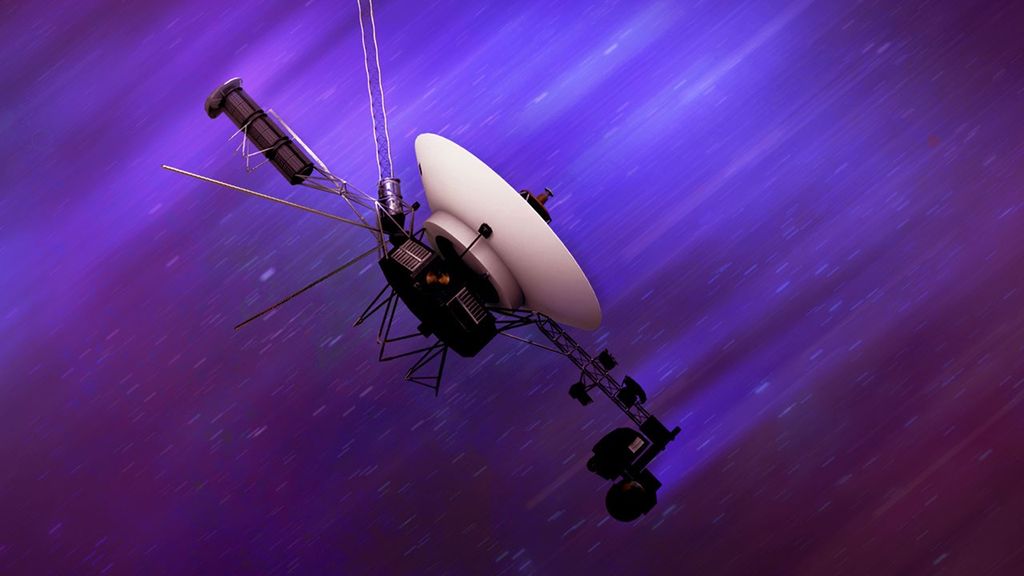
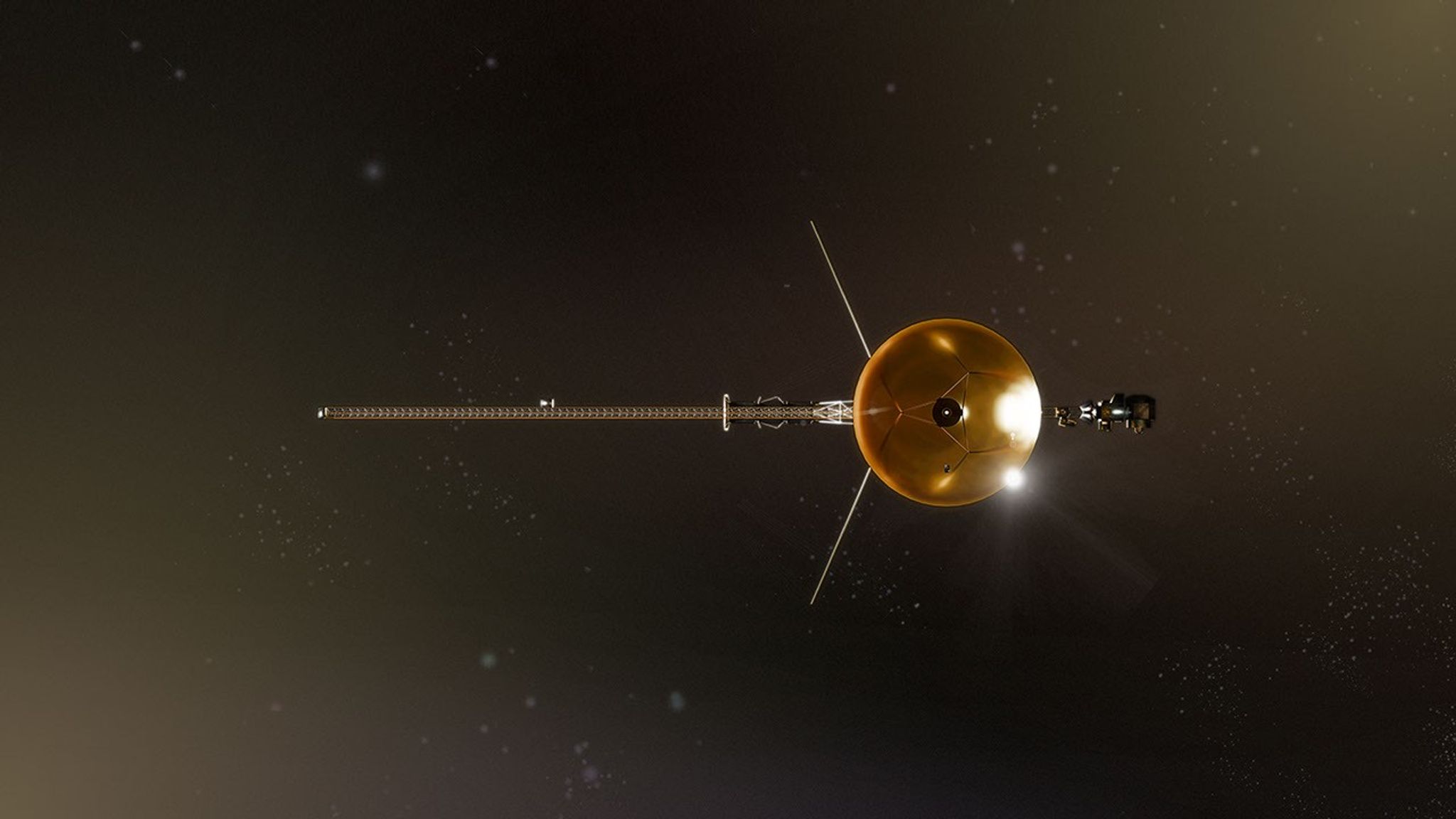
NASA's Voyager 1 spacecraft is about to reach an extraordinary milestone, a distance from home reached by no other human-made object: one light-day away from Earth.
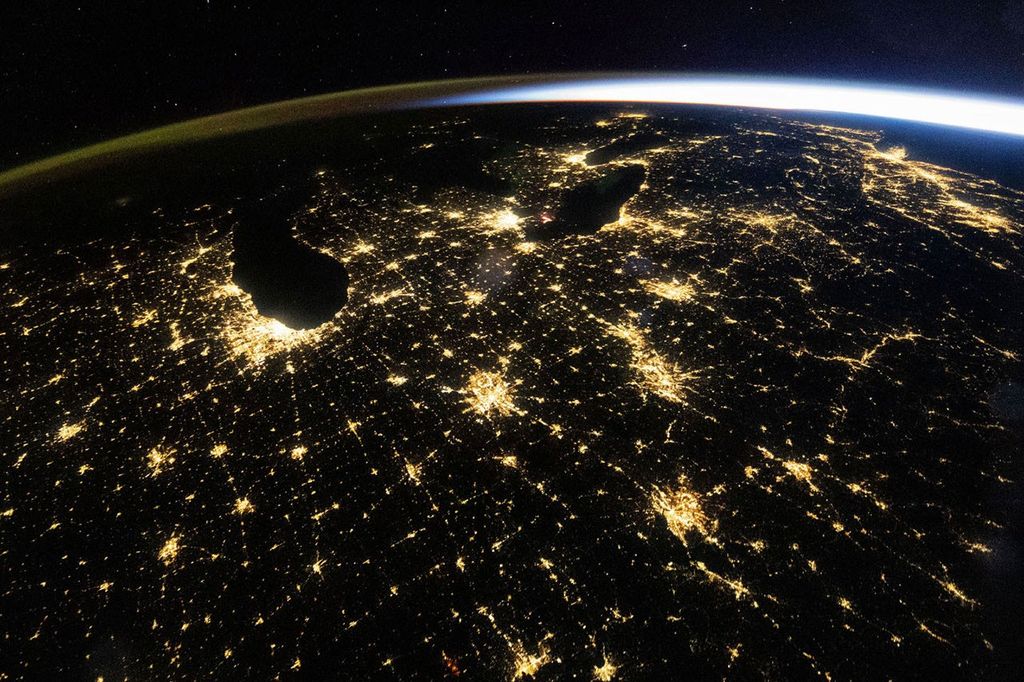
After sunset on Tuesday, Nov. 17, we invite you to “Shine Bright for Voyager’s Light-Day” by lighting a signal skyward, joining a worldwide celebration of this historic moment, nearly 50 years in the making.
To participate, play our automated flasher — or grab a flashlight and shine V-G-R in Morse code.
A simple act. A shared moment. A celebration of humanity’s farthest reach.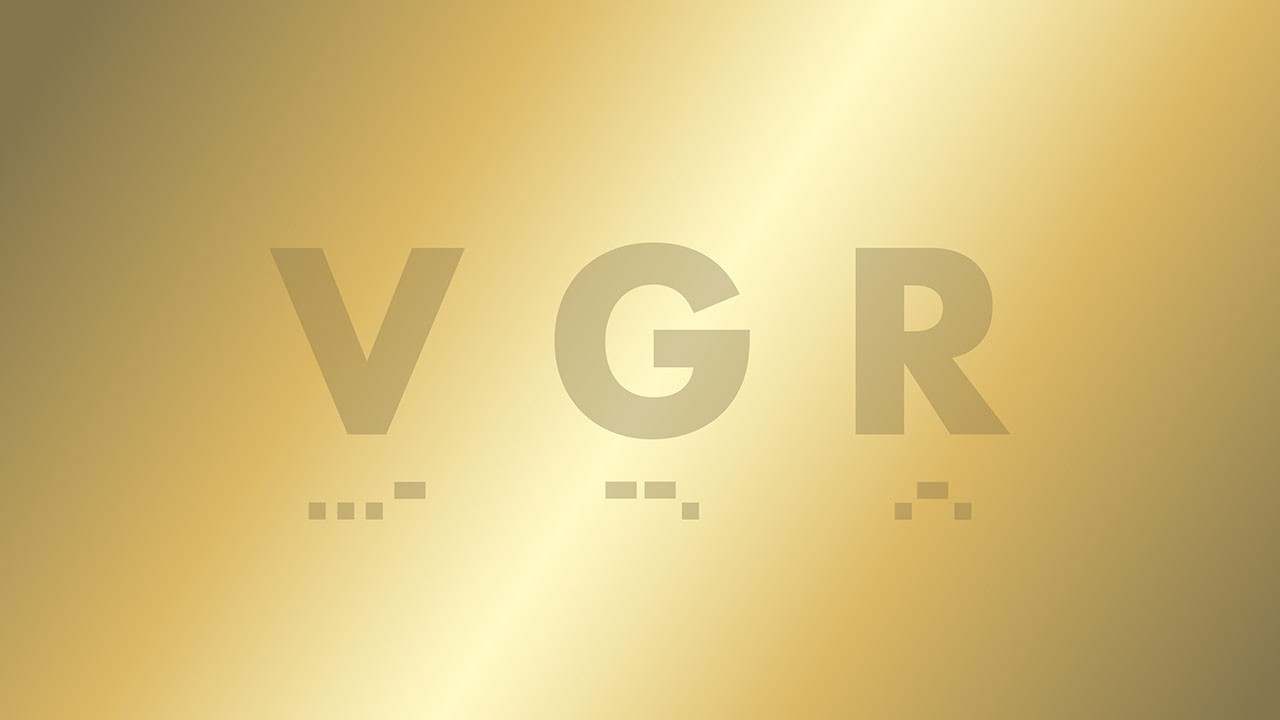

What Is a Light-Day?
It's a measure of distance, not time. And it's very, VERY far.

Automated VGR Flasher
Point this skyward on your phone or tablet, and it flashes V-G-R for you.
How Do I ‘Shine Bright’?
Watch this video, and see how to hail Voyager.
‘Shine Bright’ Step-by-Step
Want to send the signal yourself? Here's your Morse code how-to.
How to Participate
Use our Automated “V-G-R” Flasher to send your signal to Voyager, or if you want to try Morse code yourself, see our “Shine Bright” Step-by-Step instructions below.
To amplify this global celebration, we encourage you to capture photos or video of your light‑day signal and share it on social platforms, tagging @NASA. Keep an eye out and see if your neighbors, or even local landmarks are joining in, as Earth spotlights Voyager's incredible achievement.
Your light can be tiny, but the moment is huge. Shine bright, go gold, and join a global wave of light honoring Voyager’s journey into the deep unknown.
Automated “V-G-R” Flasher
-
Hold the phone, we'll send the signal
On Nov. 17 after sunset, open our ready-made flasher in your smart phone or tablet’s web browser, point your device toward the sky, and signal Voyager’s call sign — V-G-R – in Morse code.
DIY “Shine Bright” — Morse Code Step-by-Step
-
01
Get Your Light Ready
After sunset on Tuesday, Nov. 17, grab a flashlight, glow stick, solar lantern, bike light, or your phone, and point it to the sky. Get ready to turn your light off and on. You can use the switch or cover the light, such as with your hand or some cardboard.
Morse code is made of dots and dashes. When using light to show Morse code, dots are represented by quick flashes, less than a second each. Dashes are represented by longer flashes of light, about one second long.
Pause briefly between the dots and dashes that are making up one letter. Pause for a second or more between each letter. -
02
Flash "V"
In Morse code, V is . . . -
Shine three quick flashes and one long flash (dot-dot-dot-dash). Wait a second or more before moving on to G. -
03
Flash "G"
In Morse code, G is - - .
Shine two long flashes and one quick flash (dash-dash-dot). Wait a second or more before moving on to R. -
04
Flash "R"
In Morse code, R is . - .
Shine one quick flash, one long flash, and one more quick flash (dot-dash-dot). -
05
Repeat Your Code
Do it again! Remember the pattern:
V: Three quick flashes and one long flash.
G: Two long flashes and one quick flash.
R: One quick flash, one long flash, one quick flash.
Repeat for around one minute — or until your arm gets tired! -
06
Share Online
Tell your friends and neighbors; post a video and tag @NASA
Then check out who else joined the worldwide celebration!

Did you know...
Voyager already knows Morse code! The Golden Record, the interstellar greeting card carried by both Voyager 1 and 2 that is inscribed with music, sounds from our planet, and messages from the people of Earth, includes one in Morse code: “Ad astra per aspera,” which is Latin for “through struggle to the stars.”