
















Astrobiology Learning Progressions
A resource to help scientists and educators conduct learning experiences and communicate about astrobiology.
Contents
- About
- How to Use
- Core Learning Questions
- How did matter come together to make planets and life in the first place?
- How did Earth become a planet on which life could develop?
- What is life?
- How did life on Earth originate?
- How have life and Earth co-evolved?
- How has life evolved to survive in diverse environments on Earth?
- How do we explore beyond Earth for signs of life?
About
The purpose of the Astrobiology Learning Progressions is to provide cognitive, instructional, and communication support for formal and informal educators, scientists, outreach specialists, and product developers who create and conduct learning experiences and otherwise communicate about astrobiology. The content of the Astrobiology Learning Progressions aligns closely with the topics covered in the Astrobiology Primer v2.0 and the NASA Astrobiology Strategy.
Astrobiology’s investigations and core concepts are inherently interdisciplinary, and are underpinned by fundamental science concepts in many different scientific disciplines. The Astrobiology Learning Progressions provide direct connections between discipline-based, fundamental concepts in science and the interdisciplinary core concepts of astrobiology.
State standards guide K-12 educators to teach those fundamental concepts, yet even the newest standards, the Next Generation Science Standards (NGSS), are just beginning to reflect the interdisciplinary nature of many fields of science. The Astrobiology Learning Progressions support teachers to use the interdisciplinary nature of astrobiology to teach those fundamental concepts required by the standards.
And for scientists, as they prepare to make classroom visits, give public talks, or otherwise communicate about astrobiology, the Astrobiology Learning Progressions help them to link their own work in astrobiology with the formal learning their audiences have likely have had in Earth, life, and physical sciences.
How to Use
How to use this resource to best communicate astrobiology concepts
There are 6 major parts of the Astrobiology Learning Progressions that help frame and guide education, outreach, communication, and public engagement efforts in astrobiology. Select the tabs below to learn more about these components.
Core Learning Questions and their Sub-Questions
The Astrobiology Learning Progressions are broken down into 7 main questions, each of which represents a major interdisciplinary concept in astrobiology. Each Core Learning Question has several sub-questions, each of which has a web page that is further divided into grade bands.

Progressed Astrobiology Storylines
There is a storyline corresponding to the interdisciplinary concept of each sub-question that is progressed in sophistication for each grade band. Scientists and educators can read the storyline material at, above, and below their target grade band to better understand the level of information to present to a particular audience.

NGSS Connections for Teachers
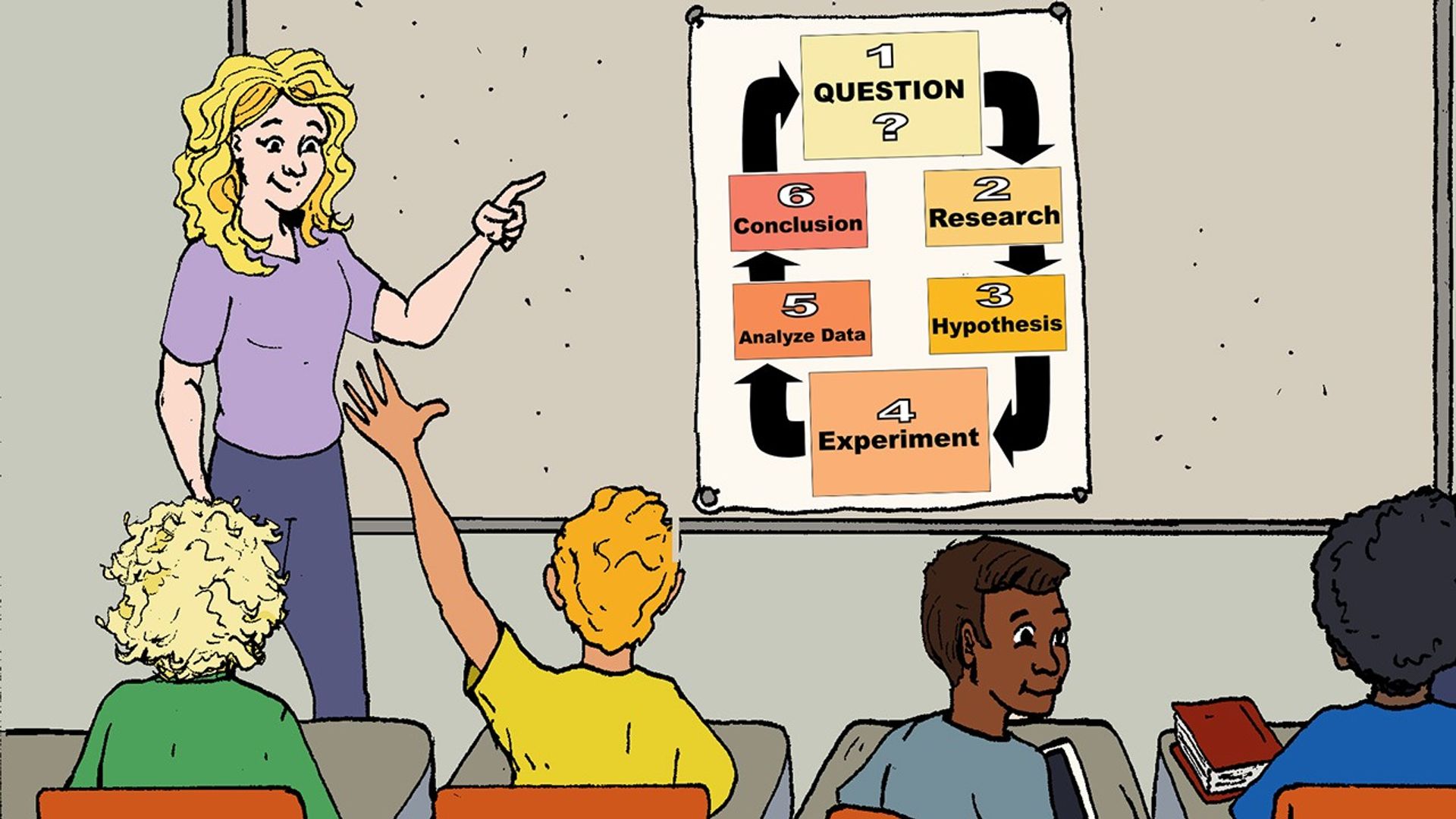
Provided for each grade band in each sub-question, this section shows material from the Next Generation Science Standards (NGSS) that ties directly to each astrobiology storyline. Disciplinary Core Ideas (DCIs) are educational standards (or performance expectations) based on key ideas that have broad implications across multiple domains of science and engineering. They are grouped into four domains: Physical science (PS), Life Science (LS), Earth and Space Science (ESS) and Engineering (E). For example, PS1.A represents a performance expectation for students in Physical Science. Also pulled directly from NGSS, the Cross-cutting Concepts can help scientists and teachers highlight connections to the multiple domains of science to aid students in developing an interdisciplinary, scientifically-based understanding of the world.
Concept Boundaries for Scientists
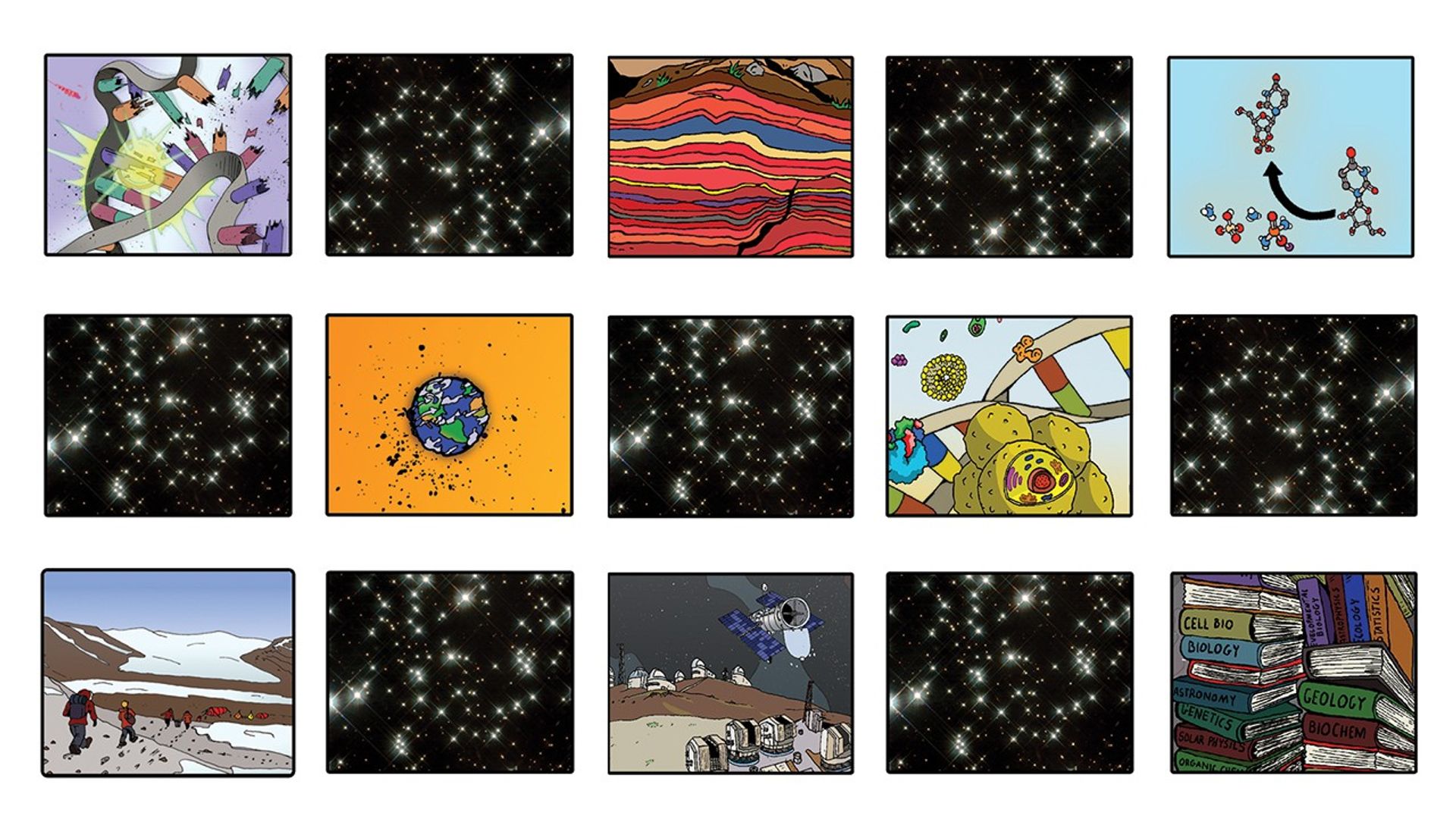
Provided for each grade band in each sub-question, this section provides information to help support scientists in reaching students in a particular grade band effectively. The “Big Ideas” briefly summarize the major themes in the related storyline. The “Boundaries” serve as a rough guide to help scientists know the depth of information to present when engaging with a specific grade.
Learning Resources
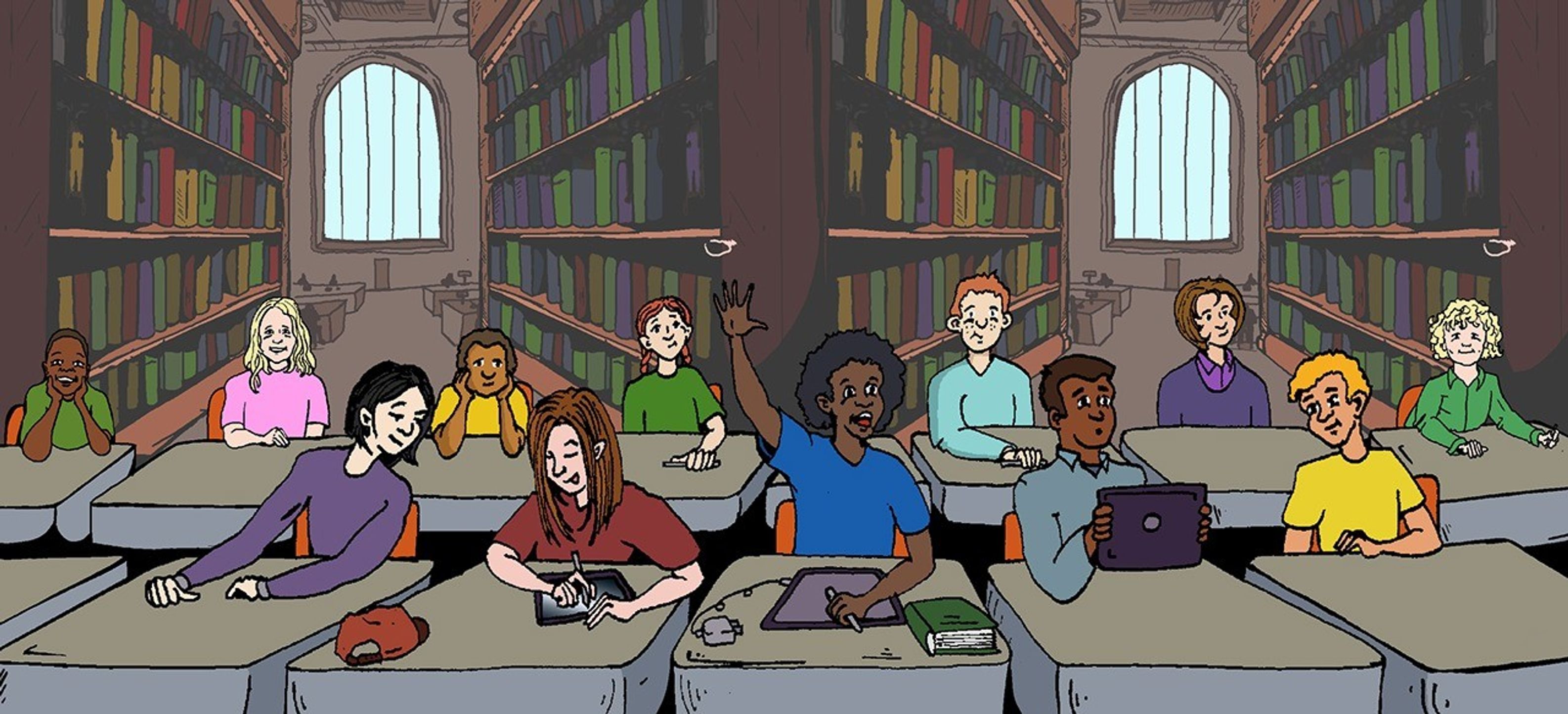
Use the “Learning Resources” tab to jump to a list of lessons, multimedia resources, and hands-on activities for each sub-question.

Storyline Extensions
Some questions have additional material educators may choose to use to extend the Astrobiology storyline.
Core Learning Questions
How did matter come together to make planets and life in the first place?

How did Earth become a planet on which life could develop?

What is life?

How did life on Earth originate?
How have life and Earth co-evolved?

How has life evolved to survive in diverse environments on Earth?

How do we explore beyond Earth for signs of life?
