










Suggested Searches

The Latest in NASA Science News

The latest news briefs from NASA science.

  • NASA-NOAA Satellites Find Smoke Complicates Wildfire Lightning Risk
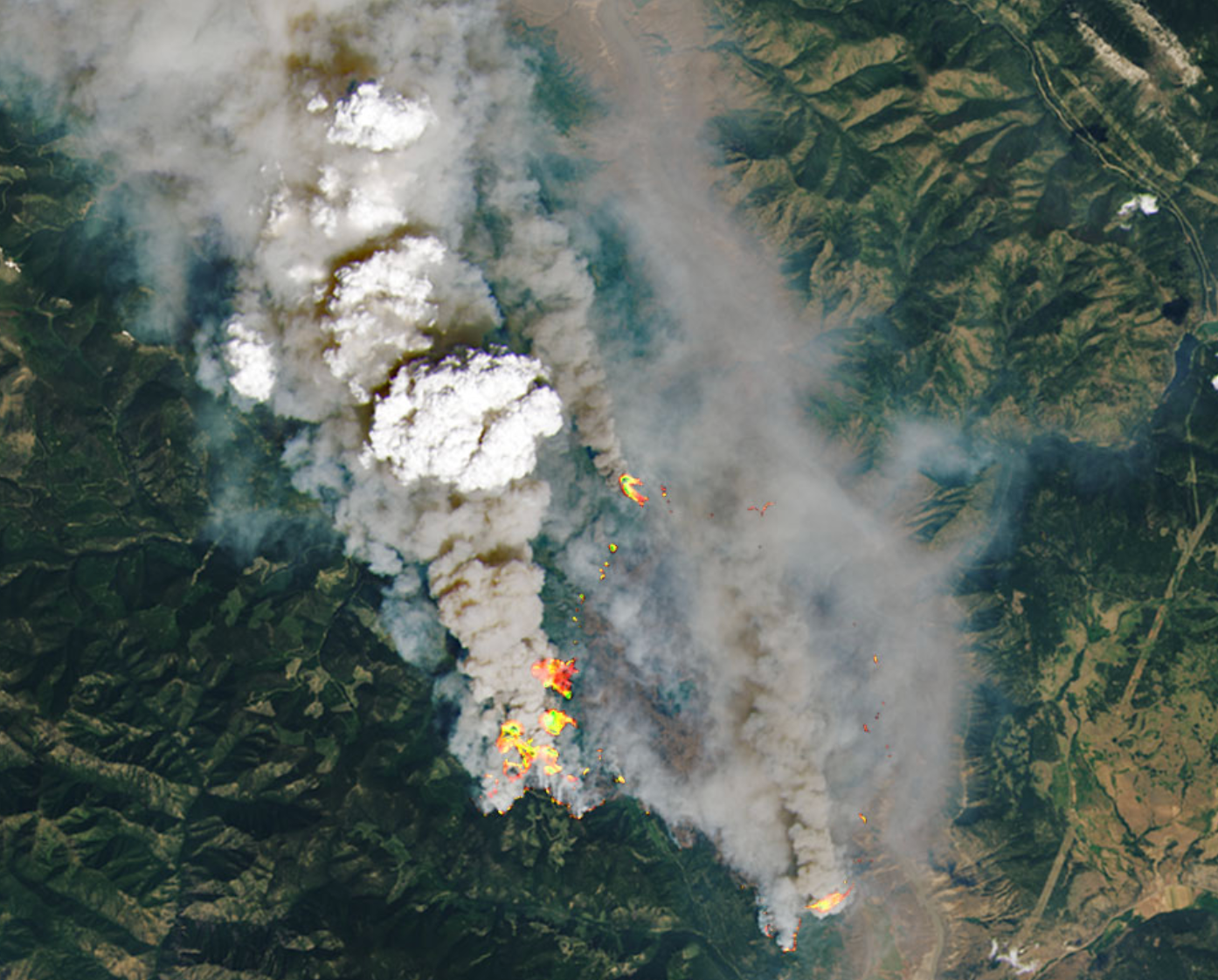
    A white cloud as viewed from above rises over gray smoke streaming from fires in a mountainous region as seen from space

    Heat rising from wildfires can create clouds that produce extreme amounts of lightning, but this doesn’t necessarily increase the risk of secondary fires. The mixed blessings of lightning activity over wildfires are the subject of a study in JGR Atmospheres of data from the massive Sparks Lake fire in British Columbia in June 2021. Researchers […]

  • Data from NASA’s ICESat-2 Goes Beyond the Surface

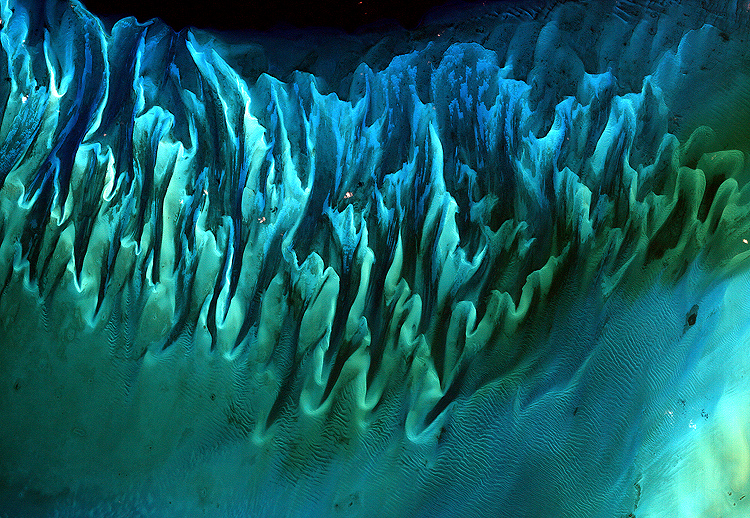
    Landsat satellite image of the sands and seaweed in the Bahamas.

    Researchers have developed a new way to measure near-shore bathymetry using satellite observations alone. Soon after NASA’s ICESat-2 satellite launched into orbit in 2018 on a mission to measure the heights of Earth’s ice, forests, and land cover, scientists examined the data and found something unexpected. As the laser instrument aboard the Ice, Cloud, land, […]

  • Protecting Wetlands in Southeast Asia Could Reduce Area’s Carbon Emissions

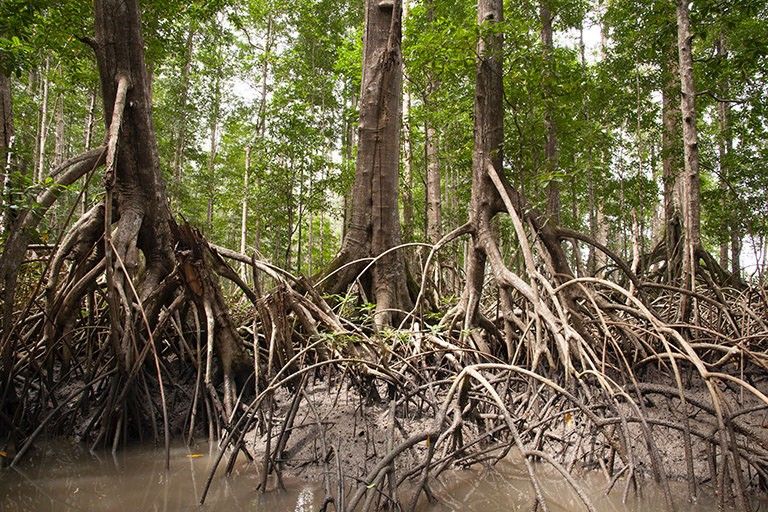
    This image shows mangroves with giant roots in Southeast Asia.

    As much as half of the carbon dioxide emissions that result from deforestation and other land-use changes in Southeast Asia could be reduced by saving two kinds of wetlands: peatlands and mangroves, according to a study published in Nature Communications. Wetlands store three to five times more carbon than tropical dryland forests and they absorb […]

  • Tilting Toward Habitability

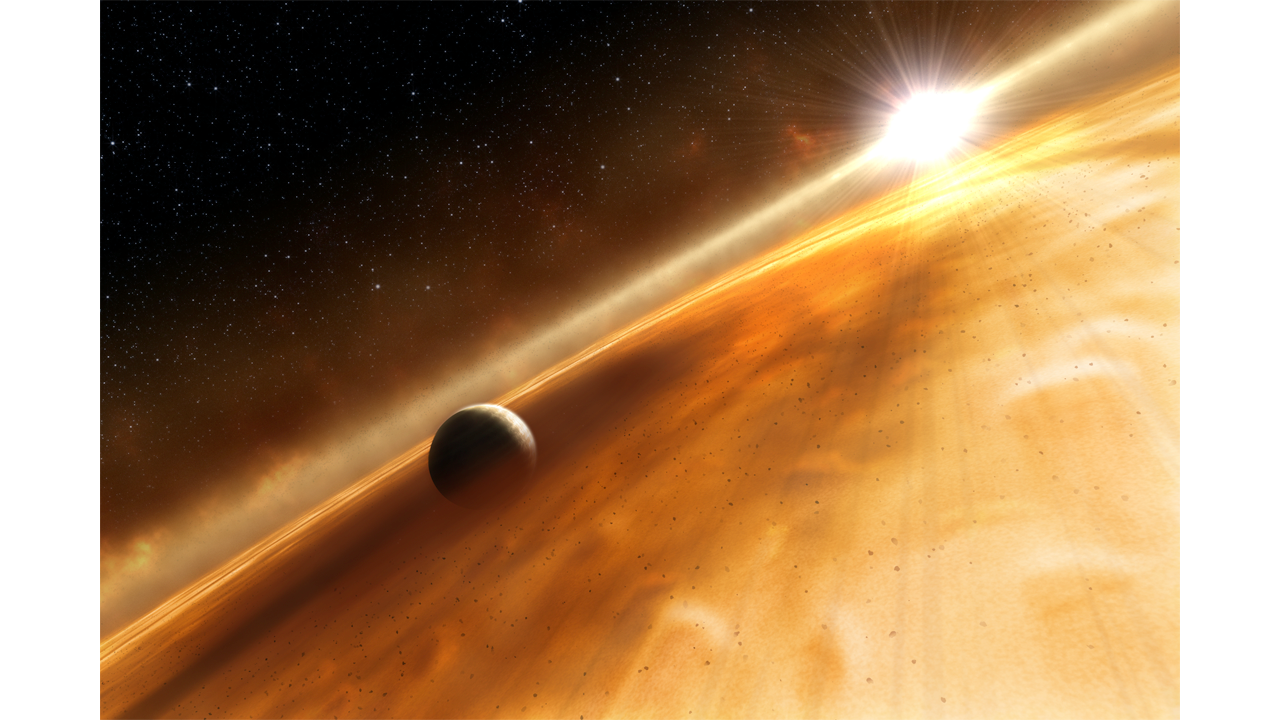
    Artist's Concept of Exoplanet Orbiting Fomalhaut

    Earth is literally inclined to be habitable. After running 93 simulations, NASA-funded researchers have gained a clearer understanding of the parameters that make the orbits of Earth-like planets suitable for land-based lifeforms to thrive. The length of our planet’s day, the tilt of its axis, and other orbital parameters ensure that the seasons, sunlight, and temperatures […]

  • A Story of Oceanic Oxygenation in the Neoproterozoic

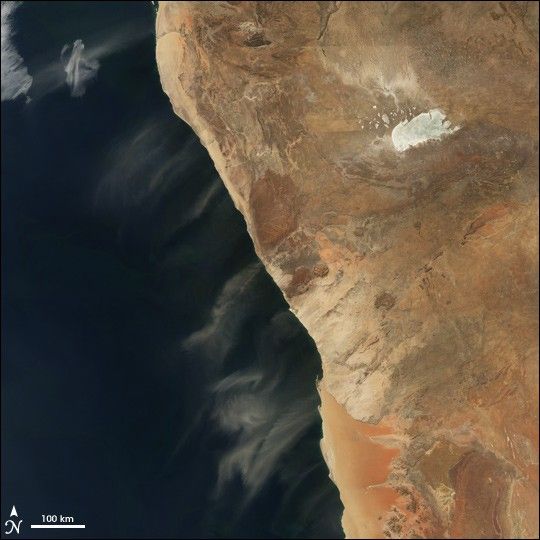
    Dust blowing off Namibia

    Drill core samples from a unique geological deposit in northeastern Namibia could reveal clues about fluctuations in marine redox conditions during the Neoproterozoic. The Hüttenberg formation shows a ‘stepwise pattern’ of oceanic oxygenation that occurred during this period of Earth’s history. The study also reveals local, and possibly global, environmental controls that resulted in features […]

  • Loss of Volatile Elements in Planetary Magma Oceans

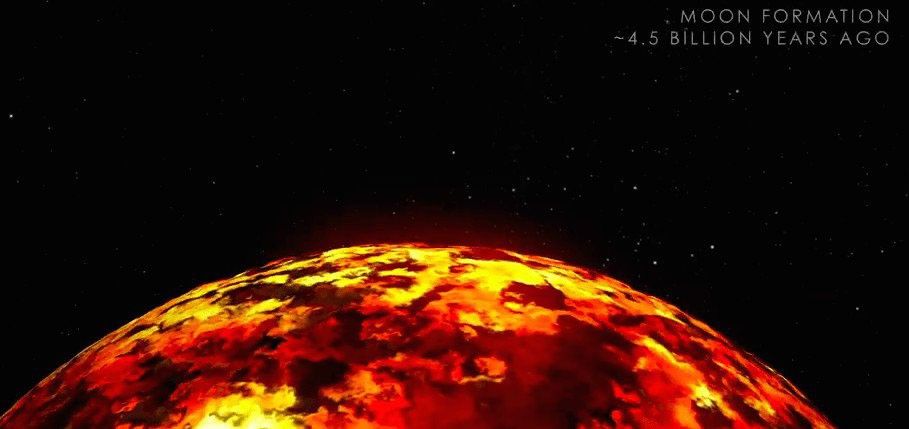
    The arc of a planetary body covered in red and yellow magma fills the bottom third of the image against a black background.

    A recent study examines the loss of volatile elements during magma ocean phases on planetary bodies. The work compares zinc (Zn) in basalts from the Earth and Moon. Zn is a a useful tracer for volatile elements because its abundance tends to be elevated in basalts on Earth. Concentrations of Zn in lunar basalts can […]